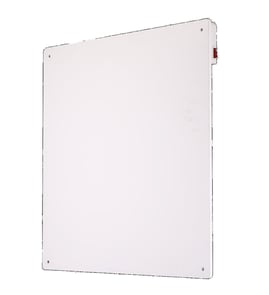

How long do Williams wall heaters last?
Williams wall heaters like model 35GV-5 typically last 15 to 20 years. With clean combustion, correct LPG gas pressure, and regular safety checks (burner, pilot/ignition, and venting), many units reach the high end of that range.
Typical lifespan and what affects it
A wall furnace’s life is mostly determined by heat exchanger condition, burner cleanliness, and how hard the heater runs each season.
- Installation quality: correct venting and clearances reduce overheating and soot
- Fuel quality and pressure: stable LPG supply helps maintain clean flame
- Maintenance: keeping the burner compartment clean prevents poor combustion
- Run time: heaters used daily for long winters wear faster
- Environment: dust, pet hair, and corrosion shorten life
Quick “replace vs. repair” checklist
Use this as a practical guide for a Williams 35GV-5 wall heater.
| What you notice | What it often means | Typical next step |
|---|---|---|
| Sooty smell, yellow/orange flame | Dirty burner or air/fuel issue | Clean burner area; have gas/air mix checked |
| Frequent pilot/ignition problems | Dirty pilot/igniter, weak thermocouple-type safety | Service ignition components |
| Rattling, booming, delayed ignition | Burner crossover or gas delivery issue | Stop use until inspected |
| Heater cycles oddly or won’t hold temp | Thermostat or limit control issue | Test controls and wiring |
Maintenance that helps you reach 20 years
We recommend a simple annual routine before the heating season.
- Vacuum dust from louvers and the burner compartment (power off first)
- Confirm the flame looks steady and mostly blue during operation
- Keep the area around the wall heater clear for airflow
- Inspect venting for blockage and signs of overheating
- If you’re troubleshooting electrical controls, use a meter safely; see how to use a multimeter to test electrical parts video
Why it matters
A wall furnace can keep running past its prime, but combustion and venting problems can reduce comfort and efficiency. Tracking age and symptoms helps you decide when service is worthwhile versus planning a replacement.
Last updated: February 2026
Do wall heaters have a reset button?
Many wall heaters, including Williams wall furnaces like model 35GV-5, can have a resettable safety device, but it is not always a simple, labeled “reset button” on the front. Resets are commonly tied to an overheat limit switch, spill switch, or ignition control; if it trips repeatedly, we treat that as a problem to diagnose, not just a button to press.
What “reset” usually means on a wall heater
Depending on the design, the “reset” you hear about may be one of these:
- Manual-reset high-limit switch (opens if the heater overheats)
- Flame rollout or spill switch (trips if flames or exhaust move the wrong direction)
- Ignition control lockout reset (some systems reset by cycling power)
- Pilot safety/thermocouple issue (often mistaken for a reset problem)
Safe checks before you try to reset anything
Because this is an LPG wall heater, we focus on airflow, venting, and safe operation first.
- Turn the thermostat to OFF and let the heater cool at least 30 minutes
- Make sure the front grille and louvers are not blocked by dust, rugs, or furniture
- Confirm the gas shutoff valve is fully open and the room has adequate combustion air
- If you smell gas, do not operate the heater; stop and use a qualified technician
- If the heater shut down after running hot, assume an overheat condition until proven otherwise
Common reasons a wall heater “needs reset”
A resettable safety device trips for a reason. These are the most common causes we see:
| Symptom | Likely cause | What to do next |
|---|---|---|
| Heater runs, then shuts off | Overheating from restricted airflow | Clean intake/outlet, check blower (if equipped) |
| Pilot won’t stay lit | Weak thermocouple, dirty pilot, low gas pressure | Clean pilot area, have gas supply checked |
| Burner lights then stops | Venting/spillage issue or safety switch trip | Check venting and draft; service recommended |
| No ignition, then nothing | Control lockout | Cycle power once; if it returns, diagnose ignition system |
Why it matters
On a wall furnace, a “reset” is usually a safety trip. Repeated trips can point to overheating, venting problems, or burner/ignition issues that can worsen performance and reliability.
Helpful DIY resource
For basic electrical testing steps (when applicable to your heater’s controls), use our guide: how to use a multimeter to test electrical parts video.
Last updated: February 2026
What are the parts of a gas heater?
A gas wall heater like the Williams 35GV-5 is built around a burner system that makes heat, a heat exchanger that transfers that heat safely, and controls that regulate gas flow and temperature. Many units also include safety sensors and (on some designs) a blower to move warm air.
Main parts you will commonly see
- Burner assembly: mixes fuel and air and produces the flame
- Ignition system: pilot/thermocouple or electronic igniter that lights the burner
- Gas valve: opens and closes to control LPG flow to the burner
- Heat exchanger: transfers heat to the room air while keeping combustion gases separated
- Limit switch / safety controls: shuts the heater down if it overheats or drafts poorly
- Thermostat (wall or built-in): calls for heat and cycles the heater
- Vent/flue components (if vented): routes combustion gases outdoors
How the key components work together
| Component | What it does | Common symptom if it fails |
|---|---|---|
| Gas valve | Controls gas flow to burner | No heat, no flame even when thermostat calls |
| Ignition (pilot or igniter) | Lights the burner | Clicking with no ignition, or pilot will not stay lit |
| Heat exchanger | Transfers heat to room air | Poor heat output, unusual odors, frequent shutdowns |
| Limit switch | Prevents overheating | Heater starts then shuts off quickly |
Quick troubleshooting checks (safe, no disassembly)
- Confirm the thermostat is calling for heat and set above room temperature.
- Make sure the LPG supply valve is open and other gas appliances work.
- Check for blocked air openings around the wall furnace (lint, rugs, furniture).
- If the unit uses a pilot, verify the pilot is lit and stays lit.
- If the unit has a blower, listen for fan operation after warm-up.
Why it matters
Knowing the major parts helps you narrow a “no heat” problem to fuel delivery (gas valve), ignition (pilot/igniter), airflow/overheat protection (limit switch), or heat transfer (heat exchanger). That speeds up diagnosis and helps you order the correct Williams wall heater parts for model 35GV-5.
For general repair readiness and tool basics, we recommend reviewing must have tools for appliance repair.
Last updated: February 2026
How to relight a Williams wall heater?
To relight a Williams wall furnace like model 35GV-5, we set the gas control to OFF briefly, then to PILOT, hold the knob in while lighting the pilot, and switch to ON after the pilot stays lit. If you smell gas, stop and get service.
Before you start (safety)
- Turn the thermostat to the lowest setting (or OFF).
- If the heater was running, wait about 5 minutes.
- Do not light the pilot if you smell gas.
- Keep flammables away from the heater.
- Use a flashlight for visibility (not an open flame).
Relighting steps (standing-pilot style)
- Remove/open the front panel to access the gas control and pilot area.
- Turn the gas control knob to OFF; wait 5 minutes.
- Turn the knob to PILOT.
- Press and hold the knob in to feed gas to the pilot.
- While holding the knob in, light the pilot with a long match or long-reach lighter.
- Keep holding the knob in for 30 to 60 seconds, then release.
- If the pilot stays lit, turn the knob to ON.
- Set the thermostat to call for heat; confirm the main burner lights.
If the pilot will not stay lit
- Air in the LPG line (common after a tank change); repeat the lighting cycle.
- Dirty pilot opening; dust can weaken the flame.
- Weak thermocouple/thermopile; it cannot prove flame to the gas valve.
- Low gas supply or regulator issue; other gas appliances may also act up.
Quick symptom guide
| Symptom | Most likely cause | Next step |
|---|---|---|
| Pilot goes out when knob is released | Weak flame or thermocouple/thermopile | Clean pilot area; schedule service if unchanged |
| Pilot will not light | No gas to pilot or blockage | Confirm gas supply; service cleaning |
| Pilot stays lit, no heat | Thermostat or gas valve issue | Verify thermostat setting; service recommended |
Why it matters
The pilot flame is the safety signal that allows the gas valve to open for heat; a weak pilot or failing flame-sensing part causes repeated shutdowns and no-heat complaints.
For safe DIY expectations, review are diy appliance repairs safe.
Last updated: February 2026
Why is my Williams heater thermostat not working?
If the thermostat on your Williams 35GV-5 LPG wall heater is not working, the usual causes are incorrect thermostat settings, weak or missing control power (battery, millivolt, or 24V), loose or shorted thermostat wires, or a heater-side issue (pilot, safety switch, or gas valve) that prevents the burner from responding.
Quick checks that fix many thermostat complaints
- Set the thermostat to HEAT and raise the set temperature at least 5 degrees above room temperature.
- Replace thermostat batteries (if used) and confirm the display is on.
- Make sure the LPG supply is on and the manual gas shutoff valve is fully open.
- Verify the pilot is lit (standing-pilot models) and the heater is not tripped on a safety limit.
- Inspect thermostat wires for loose screws, corrosion, pinches, or bare spots touching metal.
- Confirm the thermostat type matches the heater control type (many wall furnaces use millivolt thermostats).
What the symptom usually means
| Symptom | Most likely cause | Best next step |
|---|---|---|
| No response when you turn it up | Dead batteries, failed thermostat, open wire | Replace batteries; tighten connections |
| Thermostat responds but no heat | Pilot out, safety open, gas valve/control issue | Check pilot and safety reset (if equipped) |
| Heater won’t shut off | Thermostat stuck closed or wires shorted | Inspect wire run; replace thermostat |
Safe DIY tests (basic)
- Visual wiring check: Turn off electrical power to the heater (if it has any) and confirm the two thermostat wires are secure and separated.
- Meter check (if applicable): Use a multimeter to check for 24VAC on 24V systems, or continuity through the thermostat when calling for heat.
Use our how to use a multimeter to test electrical parts video for safe testing basics.
Why it matters
The thermostat is the “call for heat.” If it cannot send a clean signal, the gas valve and safety controls will not open reliably, leading to no-heat, short cycling, or overheating shutoffs.
Last updated: February 2026
What to do when a wall heater is not working?
For the Williams 35GV-5 wall furnace shown as an LPG (propane) configuration, start by confirming the thermostat is calling for heat, the propane supply is on, and airflow is not blocked. Then check the pilot/ignition and safety shutoffs; most “no heat” issues trace to fuel, ignition, or a tripped limit.
Safety first
- Turn the thermostat to OFF and let the heater cool.
- If you smell gas, shut off the gas supply and have a qualified technician check the heater.
- Keep the front grille and combustion air openings clear.
- Do not bypass safety switches (limit switch, spill switch, rollout switch).
Quick checks (most common fixes)
- Thermostat: Set to HEAT and raise the setpoint 5 to 10 degrees.
- Propane supply: Confirm the tank has fuel and the manual shutoff valve is fully open.
- Pilot/ignition: Standing pilot models need a lit pilot; electronic ignition models should attempt ignition when calling for heat.
- Airflow and venting: Clear dust, lint, and obstructions; restricted airflow can trip the high-limit.
- Power (if equipped): Some wall furnaces use household power for controls or a blower; check the breaker and any service switch.
Symptom guide
| What you notice | Likely cause | What we do next |
|---|---|---|
| No ignition attempt | Thermostat/wiring issue, no power (if used) | Verify thermostat call; inspect wiring connections |
| Pilot will not stay lit | Dirty pilot, weak thermocouple | Clean pilot area; replace the thermocouple if needed |
| Ignition tries but no flame | Propane off, clogged orifice, gas valve issue | Confirm propane on; have gas components serviced |
| Runs briefly then shuts off | High-limit trip from overheating or venting issue | Clear airflow; inspect venting and heat exchanger area |
When electrical testing helps
If your 35GV-5 uses electrical controls, a meter test can quickly find an open switch or broken wire.
- Follow how to use a multimeter to test electrical parts video for safe continuity and voltage checks.
- Use how to repair broken or damaged wires video if you find a loose, burned, or broken connection.
Why it matters
Gas wall furnaces shut down on purpose when ignition fails or overheating is detected. Fixing the root cause (fuel supply, ignition, airflow, venting, or wiring) restores heat and keeps the safety system working correctly.
Last updated: February 2026