Owner’s manual
 Error Codes



Do you remove cardboard from the bottom of a Whirlpool refrigerator?
No. On the Whirlpool WRF736SDAW13 refrigerator, any cardboard-like panel or cover at the bottom/rear area is there to protect components and help the unit operate correctly, so it should stay in place. Only remove temporary packing materials (tape, foam, film) used for shipping.
What to remove vs. what to leave
Remove only shipping and surface-protection materials you can clearly identify as packaging.
- Remove tape, protective film, and foam blocks used to secure shelves, drawers, and doors
- Remove any cardboard spacers used inside the cabinet for shipping
- Recycle/dispose of packaging after unpacking
- Leave any fixed bottom cover/panel in place (even if it looks like cardboard)
- Leave the base grille installed after leveling adjustments are complete
Quick checks before you decide
Use these cues to tell packaging from a protective cover:
| What you see | Usually means | What to do |
|---|---|---|
| Loose pieces inside the fresh food or freezer compartments | Shipping packaging | Remove it |
| A panel attached with screws/clips near the compressor/condenser area | Protective cover | Leave it |
| Material that blocks airflow paths or vents inside the cabinet | Packaging or misplacement | Remove/relocate it |
| Base grille at the very bottom front | Service access/airflow path | Remove only for leveling, then reinstall |
Why it matters
That bottom cover helps protect wiring and cooling-system components and supports proper airflow. Removing it can lead to overheating, noise changes, or poor cooling performance.
Where to confirm for your exact configuration
We recommend following the unpacking and “remove the packaging” steps in the owner's manual for WRF736SDAW13 so you only remove the materials Whirlpool intended to be removed.
Last updated: February 2026
What's the average lifespan of a Whirlpool refrigerator?
Most Whirlpool refrigerators last about 10 to 15 years on average; with solid maintenance and normal household use, it’s common to see up to 20 years. Your Whirlpool WRF736SDAW13 is designed for high efficiency, so longer compressor run times can be normal (not a sign it’s wearing out). See the owner's manual for model-specific care and operating details.
Typical lifespan and what affects it
A refrigerator’s lifespan depends more on operating conditions and maintenance than the badge on the door.
- Ventilation: keep condenser airflow clear (dust and pet hair shorten life)
- Door sealing: weak gaskets force longer run time and extra wear
- Defrost performance: frost buildup can strain cooling components
- Water system upkeep: clogged filters and valves can cause leaks and ice maker issues
- Temperature settings: extreme settings can increase run time
Quick maintenance checklist (best ROI)
Use this as a simple routine to help your WRF736SDAW13 reach the high end of the lifespan range.
- Vacuum and brush dust from the lower grille and condenser area every few months
- Confirm doors close fully and bins are not blocking closure
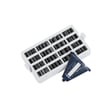
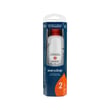
- Replace the air filter on schedule using the refrigerator air filter W10311524
- Watch for water under the unit; address it early before it damages flooring or wiring
- Keep the freezer drawer sealing surfaces clean and free of ice
Common “age-related” symptoms and likely areas
| Symptom | Common cause area | Example part on this model page |
|---|---|---|
| Warm temps, food spoiling | Temperature sensing or airflow | Refrigerator thermistor W11724692 |
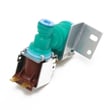
| Ice maker slow or not filling | Water supply or valve issue | Refrigerator water inlet valve assembly WPW10341329 |
| Frost buildup, poor cooling | Defrost system problem | Refrigerator defrost heater WP12729128 |
Why it matters
Knowing the typical 10 to 15 year average helps you decide whether to maintain, repair, or plan ahead. Many “it’s dying” complaints are actually fixable issues like a failing door seal, a thermistor reading wrong, or a restricted water inlet valve.
Last updated: February 2026
Why does my Whirlpool bottom freezer leak out of the bottom right side front?
On a Whirlpool WRF736SDAW13 bottom-mount refrigerator, water leaking from the bottom right front is usually caused by a defrost drain problem (ice or debris blocking the drain so meltwater overflows) or a water supply leak (tubing or inlet valve) that runs down and exits at the front.
Quick checks we recommend first
- Look for a sheet of ice on the freezer floor or water under the freezer bin (points to a clogged/frozen defrost drain).
- Check the fresh food section for water under crisper drawers (can also happen when the drain backs up).
- Inspect the rear lower area for dripping when the ice maker fills (points to a supply or valve leak).
- Confirm the refrigerator is level and slightly tilted back so water flows to the drain pan correctly.
- Review the access and safety steps in the WRF736SDAW13 owner's manual.
Most common cause: frozen or clogged defrost drain
When the defrost heater melts frost off the evaporator, that water must flow through the drain. If the drain freezes or clogs, water can spill forward and eventually leak out at the front.
What to do
- Unplug the refrigerator.
- Remove freezer contents and the interior rear panel as needed to access the drain area.
- Thaw ice with warm air (hair dryer on low) and flush the drain with hot water.
- Clear debris from the drain opening and confirm water flows freely to the drain pan.
Also common: water line or inlet valve leak
If the leak happens mainly when dispensing water or when the ice maker cycles, focus on the supply connection and valve.
- Check the household water line connection and the refrigerator’s tubing for seepage.
- Inspect the valve body and fittings; replace the valve if it weeps or won’t seal.
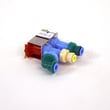
- For this model, the correct replacement is the refrigerator water inlet valve assembly WPW10341329.
Symptom-to-cause guide
| What you notice | Most likely cause | Where to inspect |
|---|---|---|
| Ice sheet on freezer floor | Defrost drain frozen/clogged | Freezer drain trough and drain hole |
| Leak after ice maker fills | Inlet valve or tubing leak | Rear lower valve area |
| Water under crispers too | Drain backup | Drain tube and drain pan |
| Slow ice production plus leak | Valve not sealing fully | Inlet valve and fittings |
Why it matters
Stopping the leak quickly helps prevent floor damage, recurring ice buildup in the freezer, and airflow problems that can lead to warm temperatures.
Last updated: February 2026
What is the most common problem with Whirlpool refrigerators?
The most common Whirlpool refrigerator complaint is a cooling problem (warm fresh food section, warm freezer, or temperature swings). On the Whirlpool WRF736SDAW13, the most frequent root causes are airflow and defrost issues, a failing fan motor, or a temperature-sensing problem; unusual noises are also often normal per the owner's manual.
Most common symptoms and what they usually point to
- Not cooling or weak cooling: dirty condenser coils, evaporator fan not running, or a defrost problem
- Frost buildup on the back wall or in the freezer: defrost heater or defrost system issue
- Ice maker not making ice: water supply restriction, inlet valve issue, or ice maker failure
- Water under the refrigerator: clogged/iced defrost drain or a leaking water line connection
- Noises (whirring, popping, hissing): often normal compressor and fan operation (especially after a door opening or initial cool-down)
Quick checks we recommend first (before replacing parts)
- Confirm the controls are set correctly and allow 24 hours after any adjustment.
- Make sure vents inside the refrigerator are not blocked by food containers.
- Clean condenser coils and verify the condenser fan area is clear of dust.
- Check door gaskets for gaps and confirm doors close fully.
- If you have a dispenser, purge air and confirm household water pressure is steady.
Common parts involved on this model
| Problem area | What fails most often | Example part for WRF736SDAW13 |
|---|---|---|
| Temperature sensing | Thermistor reads wrong temp | Refrigerator thermistor W11724692 |
| Defrost system | Heater not warming the evaporator | Refrigerator defrost heater WP12729128 |
| Air circulation | Evaporator fan motor weak or noisy | Evaporator motor W11452196 |
| Water to ice maker/dispenser | Valve not opening consistently | Refrigerator water inlet valve assembly WPW10341329 |
Why it matters
Cooling and airflow problems can make food spoil faster and can force the compressor to run longer than expected. Addressing airflow restrictions, door sealing, and defrost performance early helps the refrigerator maintain stable temperatures efficiently.
Related DIY help
For model-appropriate troubleshooting steps and symptom-to-cause guidance, use our Whirlpool refrigerator error codes resource.
Last updated: February 2026