Who makes the E4316-070 cyclonic engine?
For the Noma E4316-070 lawn tractor, “cyclonic” describes the air-cleaner style (cyclone pre-cleaner) and not a unique engine brand. The actual engine manufacturer varies by the specific engine model installed on your tractor; we identify it by the engine ID tag on the engine itself.
How to identify who made your engine (fast and accurate)
Look for the engine identification label, then match the brand and numbers:
- Check the blower housing, valve cover, or near the starter for an ID tag or stamped plate
- Write down the engine brand plus the model, type/spec, and code/serial numbers
- Common riding mower engine makers you may see: Briggs & Stratton, Tecumseh, Kohler
- If the tag is missing, look for casting marks on the shroud and the carburetor style as clues
- Use the engine numbers to select the correct tune-up and fuel system parts (filter, plug, carb kit)
What “cyclonic” means on a lawn tractor engine
A cyclonic (cyclone) setup is an air-intake pre-cleaner that spins incoming air so heavier dust and debris drop out before reaching the main air filter. It helps the engine breathe cleaner air, especially in dry or dusty mowing conditions.
Quick reference: where to look and what you’ll find
| Where you look | What you’re looking for | Why it helps |
|---|---|---|
| Blower housing/shroud | Brand name and model/type/code | Identifies the engine maker and exact build |
| Air cleaner cover | “Cyclone” or pre-cleaner markings | Confirms cyclonic intake style |
| Near starter/flywheel | Stamped numbers or sticker | Backup ID when the main tag is worn |
Why it matters
On the E4316-070, the tractor model number tells us the chassis and deck family, but the engine ID is what ensures you get the right ignition parts, air filter, fuel filter, and carburetor components. For maintenance basics, use our guide: how to tune up a riding lawn mower video.
Last updated: February 2026
What are the parts of a lawn mower engine?
A typical lawn tractor engine on a Noma E4316-070 includes fuel, air, ignition, and internal rotating parts that work together to create power and drive the mower. Exact layouts vary by engine family, but the core components are consistent across most front-engine riding mowers.
Main engine systems and common parts
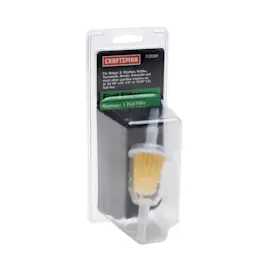
- Fuel system: fuel tank, fuel cap/vent, fuel line, fuel filter, carburetor (or fuel pump on some engines)
- Air intake: air filter, air box, intake tube, choke plate/linkage
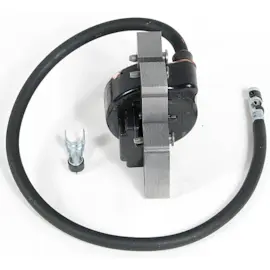
- Ignition: ignition coil (armature), spark plug, flywheel magnets, kill wire
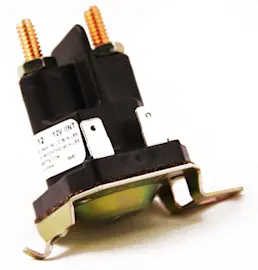
- Starting/charging: starter motor, starter solenoid, battery cables, alternator/stator, voltage regulator (if equipped)
- Lubrication: oil fill tube/dipstick, crankcase, drain plug/valve, oil filter (if equipped)
- Internal engine: piston, rings, connecting rod, crankshaft, camshaft, valves, cylinder head, head gasket
- Exhaust: muffler, exhaust gasket, spark arrestor screen (if equipped)
Quick “what it does” table
| Part or system | What it does | Common symptom when it fails |
|---|---|---|
| Carburetor | Mixes fuel and air | Surging, won’t start, runs rough |
| Air filter | Keeps dirt out of engine | Black smoke, loss of power |
| Ignition coil/spark plug | Creates spark | Cranks but won’t start |
| Starter/solenoid | Spins engine to start | Clicks, no crank |
| Flywheel | Stores rotational energy, triggers spark | No start, backfiring (rare) |
How to identify what you’re looking at on your E4316-070
- Follow the air filter housing to the carburetor (intake side)
- Trace the spark plug wire to the ignition coil (near the flywheel)
- Locate the muffler on the exhaust side of the cylinder head
- Find the starter motor near the flywheel and engine block seam
- Check the oil dipstick/fill and drain points before service
Why it matters
Knowing the major engine parts helps you troubleshoot faster (no-start, rough running, low power) and order the correct maintenance items like filters, spark plugs, and fuel-system parts for your Noma lawn tractor.
For step-by-step troubleshooting when the engine cranks but won’t run, use our guide: riding lawn mower engine spins but wont start video.
Last updated: February 2026
Is it worth repairing a lawn mower engine?
Yes, it’s worth repairing the engine on your Noma E4316-070 lawn tractor when the fix is a normal wear item (battery, starter, carburetor cleaning, belts, blades) and the tractor is otherwise solid. If the repair cost is more than about half the value of a comparable replacement tractor, replacement is the better choice.
Quick decision checklist
- Repair it if the problem is starting, fuel, or tune-up related (common and usually affordable).
- Repair it if the tractor has a good deck, solid frame, and good transmission drive.
- Replace it if the engine has low compression, heavy smoking, or internal knock.
- Replace it if the transmission has a major failure along with engine issues.
- Replace it if you need multiple big-ticket items at once (engine plus transmission plus deck rebuild).
What “worth it” looks like (typical scenarios)
| Situation | Typical outcome | Best move |
|---|---|---|
| Engine clicks but won’t crank | Battery, cables, solenoid, starter | Diagnose and repair |
| Cranks but won’t start | Fuel delivery, spark, air filter, carburetor | Tune-up and repair |
| Starts then dies when brake released | Safety interlock or brake switch issue | Diagnose and repair |
| Smokes heavily, lacks power | Worn rings/valves, head gasket, severe wear | Replace engine or tractor |
Steps to estimate repair cost before you commit
- Identify the symptom: no crank, cranks no start, starts then stalls, or runs rough.
- Price the likely parts plus supplies (spark plug, air filter, fuel filter, oil, blade sharpening).
- Add labor time if you are not doing the work yourself.
- Compare the total to the price of a similar used or new riding mower.
Why it matters
A riding mower engine repair can be a great value when it restores reliable starting and power. When the engine or transmission has major internal damage, costs climb fast and you can end up paying for repairs without gaining long-term reliability.
Helpful DIY guidance
- Riding lawn mower engine clicks but doesnt turn over video
- Riding lawn mower engine spins but wont start video
- How to tune up a riding lawn mower video
Last updated: February 2026