Installation guide
 Owner’s manual



What is the most common problem with a dishwasher?
The most common dishwasher problem is water remaining in the tub at the end of the cycle (a drain issue). On the Jenn-Air JDB8000AWS3, the first things we check are the filter area, drain path, and whether suds or a blocked float are preventing normal draining and filling; see the JDB8000AWS3 owner's manual.
Quick checks we recommend first
- Confirm the dishwasher is level; an unlevel tub can contribute to leaks and poor draining.
- Check for standing water and remove any debris around the sump area.
- Look for excess foam or suds; using the wrong detergent can stop normal operation.
- Make sure the overfill protection float moves up and down freely.
- Verify the water supply shutoff valve is fully open.
- Run hot water at a nearby faucet before starting a cycle to improve wash performance.
Common symptoms and what they usually point to
| Symptom | Most common cause | What to check first |
|---|---|---|
| Water remains in tub | Restricted drain path | Filter area, drain hose routing, drain pump operation |
| Dishes not clean | Poor water circulation or loading | Spray arm blockage, proper loading, water temp near 120°F |
| Not drying well | Drying settings or rinse aid | Rinse aid use, Precision Dry option, loading of plastics |
| Leaking | Seal, level, or suds | Lower door seal, latch closure, correct detergent |
Parts that commonly relate to these problems
If you confirm the issue is mechanical (not detergent, loading, or water supply), these parts are often involved on this model:
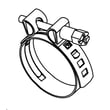
- Dishwasher drain hose 8269144A if the hose is kinked, restricted, or leaking.
- Dishwasher drain pump WPW10531320 if the unit will not evacuate water.
- Dishwasher water inlet valve WPW10327249 if the dishwasher will not fill.
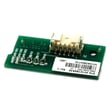
- Heater W10703867 if drying is poor and heated portions of the cycle are not working.
Why it matters
Drain and fill problems can cascade into other complaints (dirty dishes, long cycles, odors, and leaks). Fixing the root cause first (suds, float obstruction, drain restriction, or water supply) prevents unnecessary part replacement and repeat failures.
Last updated: January 2026
Are Jenn-Air dishwashers good quality?
Jenn-Air dishwashers, including model JDB8000AWS3, are built as premium machines with strong cleaning performance, solid fit and finish, and features designed for careful loading and consistent results. Like any dishwasher, long-term quality depends on correct installation, routine cleaning, and timely replacement of wear parts.
What “good quality” looks like in real use
We typically see quality show up in day-to-day performance and serviceability:
- Consistent wash results when racks are loaded correctly
- Stable door operation (opens and closes smoothly, stays balanced)
- Reliable draining and filling (no standing water, no slow fills)
- Quiet, steady circulation during the wash portion of the cycle
- Easy maintenance access for common wear items (seals, wheels, filters)
For model-specific operating and loading guidance, use the JDB8000AWS3 owner's manual.
How to keep a Jenn-Air dishwasher performing like a premium unit
These steps protect the parts that most often affect “quality” over time:
- Clean the filter area regularly to prevent redeposit and odors
- Use the correct detergent amount; too much can cause filming
- Run hot water at the sink before starting a cycle for better wash temps
- Load silverware mixed (not nested) for better spray coverage
- Address leaks early; a small drip can damage seals and wiring over time
Common “quality” complaints and the most likely part areas
| Symptom | Most common cause area | Example part for JDB8000AWS3 |
|---|---|---|
| Door drops open or won’t stay balanced | Door balance system | Door balance link |
| Poor drying or cool wash results | Heating circuit | Heater W10703867 |
| Standing water after cycle | Drain system | Drain pump, drain hose |
| Racks roll poorly or fall off track | Rack wheels and stops | Dishrack wheel, rail stop |
Why it matters
A premium dishwasher can feel “low quality” if it is installed with a poor drain setup, has restricted filtration, or has worn rack and door hardware. Keeping the drain path clear and replacing small wear parts early helps the JDB8000AWS3 stay quiet, stable, and consistent.
Last updated: January 2026
What is the life expectancy of a Jenn-Air dishwasher?
A Jenn-Air dishwasher typically lasts 10 to 15 years with normal household use and basic maintenance. For JDB8000AWS3, age plus symptoms like poor cleaning, leaks, or not draining usually determines whether a repair (pump, heater, latch) makes sense.
Typical lifespan and what affects it
Most dishwashers reach the end of their service life due to wear in the wash system, drainage, or controls, not the tub.
- Water quality (hard water speeds up mineral buildup)
- Detergent use (too much or the wrong type can cause suds and performance issues)
- Cleaning the filter area and keeping spray paths clear
- Door sealing and loading habits (overloading stresses racks and rails)
- Frequency of use (multiple loads daily shortens lifespan)
Repair vs. replace: a quick decision guide
Use this as a practical way to decide what to do next.
| If your dishwasher is... | And you see... | Usually makes sense to... |
|---|---|---|
| Under ~10 years old | One clear failure (won’t drain, won’t heat, won’t latch) | Repair a specific part |
| 10 to 15 years old | Repeated issues or multiple symptoms | Compare repair cost vs. replacement |
| Over ~15 years old | Major leaks, electrical issues, or multiple failures | Replace in most cases |
Parts that commonly drive “end of life” symptoms
If the unit is otherwise in good shape, these are common repair items on dishwashers like JDB8000AWS3:
- Not draining: Dishwasher drain pump WPW10531320
- Not drying or poor heating: Heater W10703867
- Door won’t close or won’t start: Dishwasher door latch WPW10653840
- Leaks at the bottom of the door: lower door seal (inspect for tears and gaps)
Why it matters
Knowing the typical lifespan helps you avoid over-investing in an older dishwasher while still making smart, targeted repairs on a mid-life unit. It also helps you prioritize maintenance that prevents premature pump, heater, and rack wear.
For model-specific use and care details (including detergent guidance and operating tips), follow the JDB8000AWS3 owner’s manual.
Last updated: January 2026
Do I really need an air gap for my dishwasher?
Yes, for the Jenn-Air JDB8000AWS3 dishwasher you need a drain air gap when local plumbing code requires it and anytime the drain hose connects to house plumbing lower than 20 inches (50.8 cm) above the subfloor or floor. It is the most reliable backflow protection.
When to use an air gap vs a high loop
Your installation instructions allow either a secured high loop under the counter or an air gap; code decides which is acceptable.
- Use an air gap if your area requires it
- Use an air gap if the drain connection is below 20 inches (50.8 cm)
- Use an air gap if you have recurring slow draining or sink backups
- Use an air gap if the drain ties into a disposer and you want maximum protection
For routing height and connection details, follow the JDB8000AWS3 installation guide.
Quick comparison
| Setup | Backflow protection | Most common issue |
|---|---|---|
| Air gap | Highest | Can clog and need cleaning |
| High loop (secured) | Good | Hose can sag or slip lower |
If you already have an air gap and draining is poor
The owner information for this model notes to check the drain air gap when the dishwasher is not draining well.
- Lift off the cover and remove the cap
- Clear any debris buildup inside the air gap
- Check both hoses for kinks or clogs
- If connected to a disposer, confirm the disposer inlet plug was removed
Cleaning guidance is covered in the JDB8000AWS3 owner’s manual.
Why it matters
An air gap is a physical break between the dishwasher drain hose and the home drain system. That break prevents dirty drain water from siphoning or backing up into the dishwasher, helping protect wash water quality and drainage reliability.
Last updated: January 2026