 Installation guide
 Owner’s manual
 Error Codes





What is the average lifespan of a Frigidaire dishwasher?
Most Frigidaire dishwashers average 10 years of service life. With normal household use and basic care (cleaning filters, using the right detergent, and fixing small leaks early), many units run 8 to 12 years before major repairs become common; see the FBD2400KB10B use and care manual for model-specific care steps.
Typical lifespan ranges (what we see most often)
- 8 to 12 years: common real-world range for many Frigidaire dishwashers
- 10 years: practical “average” expectation
- 12+ years: achievable with light-to-moderate use, good water quality, and consistent maintenance
- Heavy daily use, hard water scale, and neglected cleaning shorten life fastest
| Usage and conditions | Typical outcome | What helps most |
|---|---|---|
| Light use, soft water | Longer lifespan | Monthly cleaning, correct loading |
| Average family use | Around the average | Keep spray paths clear |
| Heavy use, hard water | Shorter lifespan | Descale, fix leaks quickly |
What usually ends a dishwasher’s service life
These are the most common “big ticket” issues that drive replacement decisions:
- Drain problems (clogs, weak draining, or a failing pump)
- Heating and drying failures
- Leaks at seals, sump, or hoses
- Door latch or control/timer issues
- Motor wear and noisy operation
How to help your dishwasher last longer
We recommend these habits for the Frigidaire FBD2400KB10B and similar models:
- Run hot water at the sink before starting a cycle so the dishwasher fills with hotter water
- Clean the interior and remove debris that can block circulation and draining
- Use the correct detergent amount; too much can cause residue and buildup
- Load so spray arms can rotate freely (no tall items blocking)
- Address draining symptoms early; a failing drain system can stress other components
Why it matters
A dishwasher’s lifespan is mostly about heat, water quality, and drainage. Keeping wash jets clear and preventing scale and clogs reduces strain on the pump, heater, and seals, which are the parts that most often determine whether a repair is worth it.
Last updated: February 2026
What are the commonly replaced parts in a dishwasher?
On the Frigidaire FBD2400KB10B dishwasher, the most commonly replaced parts are the wash and drain components (spray arm, drain pump, drain hose), the fill and heat components (water inlet valve, heating element), and door parts (latch). These parts wear out, clog, or leak over time.
Commonly replaced parts (and what they do)
- Spray arm: spins and distributes wash water; clogs cause poor cleaning.
- Drain system: moves dirty water out; failures cause standing water.
- Fill system: brings hot water in; issues cause no-fill or slow-fill.
- Heating system: heats water and helps drying; failures cause cool washes and wet dishes.
- Door latch and seals: keep the door closed and watertight; failures cause leaks or no-start.
Model-matched examples for FBD2400KB10B
| Symptom | Likely part to check | Example part for this model |
|---|---|---|
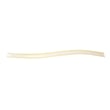
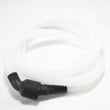
| Dishwasher will not drain | Drain pump, drain hose | Drain pump a A00126401, dishwasher drain hose 807117001 |
| Not filling or fills slowly | Water inlet valve, inlet screen | Dishwasher water inlet valve 807047901 |
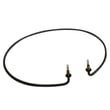
| Not drying or water not heating | Heating element and hardware | Frigidaire dishwasher heating element 154825001, dishwasher heating element nut 154106202 |
| Door will not latch or unit will not start | Door latch | Latch assembly 5304525219 |
Quick checks that prevent repeat failures
- Flush the water line before final connection to help prevent inlet screen clogs.
- Keep water and drain lines free of kinks.
- Confirm hot water supply and adequate water pressure for proper filling.
- Make sure the dishwasher is level and securely fastened.
- If draining to a disposer for the first time, knock out the disposer inlet plug.
Why it matters
Most “dishwasher problems” trace back to water movement and temperature. When the unit cannot fill, spray, heat, or drain correctly, you will see symptoms like dirty dishes, standing water, long cycles, or poor drying. The FBD2400KB10B owner’s manual is the best place to match symptoms to checks in the “Before you call” section.
Last updated: February 2026
Can I replace dishwasher parts myself?
Yes, for the Frigidaire FBD2400KB10B dishwasher, we can replace many common parts ourselves if we shut off power and water first and follow the correct steps. Mechanical items (racks, rollers, spray arms, hoses) are usually DIY-friendly; wiring and leak-related repairs require extra care.
What you can usually replace yourself
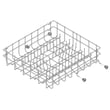
- Dishrack items such as the dishwasher dishrack roller, lower 5304532229
- A clogged or leaking drain line such as the dishwasher drain hose 807117001
- A worn door latch such as the latch assembly 5304525219
- A detergent door that will not open such as the dishwasher detergent dispenser assembly 5304506521
- A no-drain symptom tied to the drain pump a A00126401
Repairs that take more skill (but are still doable)
The installation instructions for this model include junction box wiring details (grounding, hot/neutral connections, and routing the cable away from the motor). Use the installation guide so you match the wiring method and safety steps exactly.
- Water inlet valve replacement (plumbing plus electrical)
- Heating circuit work (element connections and leak checks)
- Door panel removal and spring tension adjustments
Quick safety checklist before you start
- Turn off power at the breaker (dishwashers run on 120V)
- Shut off the water supply valve
- Pull the dishwasher out carefully; avoid kinking water and drain lines
- Wear gloves when handling sharp metal panels
- After reassembly, run a fill and pump-out and check for leaks
DIY difficulty guide (typical)
| Repair type | Typical difficulty | Common risk |
|---|---|---|
| Rack/roller, spray arm | Easy | Fitment issues |
| Drain hose, drain pump | Medium | Leaks, clogs |
| Inlet valve, wiring in junction box | Medium to hard | Shock, leaks |
| Heating element circuit | Hard | Leaks, wiring errors |
Why it matters
Dishwashers must be secured so they do not tip when the door is opened, and wiring connections in the junction box must be tight and correctly grounded. Following the documented steps helps prevent leaks, poor performance, and electrical hazards.
Last updated: February 2026
What is the most common problem with a Frigidaire dishwasher?
The most common Frigidaire dishwasher problem is poor wash performance or drainage caused by buildup that restricts water flow (filter, spray arm/tower area) or blocks draining. On the Frigidaire FBD2400KB10B, routine cleaning and correct loading prevent most “not cleaning” and “not draining” complaints; see the FBD2400KB10B owner's manual.
What we check first (fast triage)
- Food soils left on dishes: confirm proper loading and that nothing blocks spray arm movement.
- Weak fill or cool water: verify household water pressure and hot water temperature.
- Slow or no drain: check for a clogged drain path (sink/disposer connection, hose routing, air gap if used).
- Detergent issues: use fresh detergent and make sure the dispenser can open.
- Overfill/float problems: make sure the overfill protector (float) moves freely.
Most common causes and what to do
| Symptom | Most common cause | What to do next |
|---|---|---|
| Dishes still dirty | Filter or spray system restricted; loading blocks spray | Clean filter area; reload to avoid nesting; ensure spray arm can rotate freely |
| Water left in tub | Drain restriction (air gap, hose, sink connection) | Clear air gap; inspect hose for kinks; confirm sink drain path is open |
| Poor drying | Heat/dry system not heating; settings | Use heat dry option; check for heating-related symptoms |
| Won’t start/run | Door not fully latched; cycle selection | Close door firmly; reselect cycle; verify controls respond |
Model-specific performance checks (FBD2400KB10B)
These items directly affect cleaning and are called out in the Use and Care guidance:
- Water temperature: target about 120°F (49°C) at the sink before starting.
- Water pressure: typical operating range is 20 to 120 psi.
- Loading: keep items from extending below the lower rack so the spray arm can rotate.
- Overfill protector (float): it should move up and down freely; clean underneath if it sticks.
When a part is the likely fix
If cleaning and setup checks do not restore normal operation, these parts are common next steps for the symptoms above:
- For not draining: drain pump a A00126401 and the dishwasher drain hose 807117001
- For not drying / not heating: Frigidaire dishwasher heating element 154825001
- For not filling: dishwasher water inlet valve 807047901
Why it matters
Most “Frigidaire dishwasher problems” start as a simple restriction or setup issue; correcting water temperature, pressure, loading, and routine cleaning restores wash action and prevents repeat clogs and leaks.
Last updated: February 2026





