Installation guide
 Owner’s manual
 Error Codes



How many cubic feet is my Kenmore refrigerator by model number?
For Kenmore model 25368882011, the most reliable way to get the exact cubic-foot capacity is to read the refrigerator’s rating plate (model and serial tag) inside the fresh-food section, then confirm the listed capacity/specs in the owner's manual. This avoids mix-ups with similar 253-series models.
Where to find the capacity on the refrigerator
On most top-mount refrigerators, the rating plate is easy to spot once you know where to look:
- Inside the fresh-food compartment on a side wall (often upper right or left)
- Near the crisper drawer area on a side wall
- Along the ceiling of the fresh-food compartment
- Sometimes on the cabinet frame behind the door seal area
What to do if the tag is hard to read
If the label is worn, take a clear phone photo and zoom in. You can also cross-check the model number and feature set in the owner's manual to make sure you are matching the correct unit.
Quick checks that help confirm you have the right model
- Top freezer (top-mount) layout matches your appliance
- Door style and handle color match your unit
- Shelf and bin layout matches what you see inside
- Any ice maker or water line setup matches your configuration
Typical capacity range (helpful for planning)
Most Kenmore top-mount refrigerators in this style commonly fall in the 14 to 20 cubic feet range. Use this as a planning estimate for food storage, but use the rating plate or manual for the exact number.
| What you need | Best source | Why it’s best |
|---|---|---|
| Exact cubic feet | Rating plate | It is specific to your exact refrigerator |
| Specs confirmation | Owner's manual | Lists model-specific specifications |
| Rough estimate | Typical range | Helps with quick planning only |
Why it matters
Cubic-foot capacity affects how you shop for replacement shelves, door bins, and door gaskets, and it also helps when comparing storage space or planning a kitchen fit.
Last updated: February 2026
How do I tell what model Kenmore fridge I have?
Your Kenmore refrigerator model number is printed on the appliance’s rating label. On model 25368882011 (and most Kenmore top-mount refrigerators), you will typically find that label inside the fresh food compartment on a side wall, inside the door area, or behind the lower kickplate.
Where to look first (fastest checks)
- Inside the refrigerator compartment on the left or right interior wall
- On the ceiling area inside the refrigerator compartment (near the control housing)
- On the inside edge of the refrigerator door (around the gasket area)
- Behind the lower toe grille or kickplate at the front
- Inside the freezer compartment on a side wall (less common, but possible)
What the label looks like and what to copy
The rating label is usually a white or silver sticker or plate. We recommend writing down:
- Model number (example format: 253.68882011 or 25368882011)
- Serial number
- Electrical ratings (volts/amps) if you are troubleshooting
Model number vs. serial number (quick comparison)
| Item | What it tells you | Why you need it |
|---|---|---|
| Model number | The exact refrigerator design and parts fit | Ensures you order the correct door gasket, thermostat, shelves, and motors |
| Serial number | The unit’s unique production identifier | Helps match production runs and revisions when parts changed |
Why it matters
Kenmore model numbers often look similar, but small differences can change which parts fit. Using the exact model number helps us match items like the refrigerator temperature control thermostat and door gaskets correctly for your refrigerator.
Helpful next step
Once you find the model number, use it to confirm diagrams and part locations in the owner's manual.
Last updated: February 2026
Can you still get parts for Kenmore refrigerators?
Yes. We still carry replacement parts for Kenmore refrigerators, including the Kenmore 25368882011 top-mount refrigerator. The best match comes from using your full model number so you get the correct fit for items like door gaskets, fan parts, and temperature controls.
Best way to find the right part for model 25368882011
Use the model-based parts list first; it filters parts to what fits your refrigerator’s configuration.
- Confirm the model number on the rating label (inside the fresh food section)
- Match the symptom to a part category (cooling, door sealing, shelving)
- Compare color and size when ordering cosmetic parts (handles, door assemblies)
- Use diagrams to verify mounting points and connectors
- Check installation notes and clearances in the installation guide
Common Kenmore 25368882011 parts customers replace
These are examples of parts available for this model that often solve everyday problems:
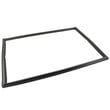
- Door not sealing, frost buildup: frigidaire refrigerator freezer door gasket, 18 x 30 inches, white 241872503
- Warm refrigerator section, noisy fan: refrigerator evaporator fan blade 5308000010
- Temperature swings or not cooling correctly: refrigerator temperature control thermostat 241537103
- Door bin issues: galaxy refrigerator door shelf rail 240534701
| Symptom | What to check first | Example part on this model |
|---|---|---|
| Frost in freezer, moisture around door | Door gasket fit and door alignment | 241872503 |
| Rattling or buzzing from freezer area | Evaporator fan blade and fan area for ice | 5308000010 |
| Food freezing or too warm in fresh food | Temperature control settings and thermostat | 241537103 |
Why it matters
Kenmore refrigerators use multiple designs across model families; ordering by model number helps avoid returns and gets you the correct OEM-style fit, especially for gaskets, door parts, and cooling components.
Last updated: February 2026
What's the average lifespan of a Kenmore refrigerator?
Kenmore refrigerators typically last 10 to 15 years. For your Kenmore 25368882011 top-mount refrigerator, lifespan depends most on heat load, airflow, and door sealing; keeping the unit level and maintaining proper clearances helps the compressor run efficiently (see the installation guide).
Typical lifespan and what changes it
Most refrigerators fall into a predictable range, but a few conditions can shorten life quickly.
- Normal use: 10 to 15 years
- Best-case with strong maintenance: 15+ years
- Shortened lifespan drivers: poor airflow, high room heat, dirty condenser area, weak door gaskets, frequent overloading
Maintenance habits that extend life
These actions reduce compressor run time and prevent temperature swings that stress sealed-system components.
- Keep airflow clear; do not block the toe grille area.
- Maintain installation clearances (commonly 3/8 inch at sides and top, 1 inch at the rear).
- Keep the refrigerator level so doors close and seal consistently.
- Check door sealing; replace worn gaskets when you see gaps, tears, or persistent condensation.
- Avoid placing the refrigerator in extreme ambient temperatures (very cold or very hot rooms reduce cooling performance).
Quick reference: what to watch and what it usually means
| What you notice | What it often points to | What we recommend |
|---|---|---|
| Doors do not close easily | Cabinet not level, hinge wear | Re-level the cabinet; inspect hinge hardware |
| Frost buildup or warm spots | Air leak at door seal | Inspect gasket; consider replacing the gasket |
| Constant running | Poor airflow, high room temp, dirty condenser area | Restore clearances and airflow; verify placement |
Parts that commonly affect longevity on this model
A few parts have an outsized impact on performance and wear when they fail.
- Door sealing: frigidaire refrigerator door gasket (black) 241872512 or frigidaire refrigerator freezer door gasket, 18 x 30 inches, white 241872503
- Temperature regulation: refrigerator temperature control thermostat 241537103
- Air movement: refrigerator evaporator fan blade 5308000010
Why it matters
A refrigerator that seals well, sits level, and breathes properly runs fewer hours per day. That reduces compressor cycling and heat stress, which is the biggest factor in reaching (or exceeding) the 10 to 15 year average.
Last updated: February 2026
How to tell if a Kenmore refrigerator compressor is bad?
On Kenmore refrigerator model 25368882011, a bad compressor typically shows up as poor or no cooling even though the unit has power, along with repeated clicking (start attempts) or a compressor that runs hot and never stabilizes temperatures. Confirming failure requires electrical checks and a sealed-system evaluation.
Quick symptoms that point to the compressor (or its start circuit)
- Refrigerator and freezer are both warm, but interior lights work
- You hear a click every few minutes (relay tries to start, then trips)
- Compressor is very hot to the touch after running attempts
- Compressor is silent and never starts (even though fans may run)
- Cooling is weak and the refrigerator seems to run constantly
What to check first (before condemning the compressor)
These checks help separate a compressor problem from airflow, controls, or installation conditions.
- Room temperature: Extremely cold or hot rooms can hurt compressor performance; the installation guidance notes that temperatures below 55°F or above 110°F can impair cooling.
- Airflow clearances: Make sure the refrigerator has space for air circulation (typical guidance is 3/8 inch at sides and top, 1 inch at the rear per the installation instructions).
- Condenser fan operation: If the condenser fan is not running when the compressor should be running, the compressor can overheat.
- Evaporator fan airflow: A failed fan blade can reduce airflow across the evaporator and mimic sealed-system issues.
- Temperature control: A faulty thermostat can prevent proper compressor cycling.
| What you observe | Most likely area to test next | Why it matters |
|---|---|---|
| Clicks repeatedly, little or no cooling | Start device/overload, compressor windings | Compressor may be locked or drawing high amps |
| Runs constantly, still warm | Sealed system (refrigerant restriction/leak) or compressor inefficiency | Compressor cannot move heat effectively |
| Compressor hot, condenser fan not running | Condenser fan circuit/motor | Overheating can shut the compressor down |
Parts that are commonly involved (when symptoms match)
If your diagnosis points to airflow or controls, these model-compatible parts are common suspects:
- Refrigerator condenser fan motor 241696606
- Refrigerator evaporator fan blade 5308000010
- Refrigerator temperature control thermostat 241537103
- Compressor 5304507765
Why it matters
A compressor replacement is a major repair and often overlaps with sealed-system work. Ruling out airflow problems (fans, clearances) and control issues first prevents replacing an expensive part when the real cause is simpler.
For model-specific access steps, wiring routing, and leveling guidance that affects door sealing and cooling, use the installation guide.
Last updated: February 2026