Get free shipping on your order, with any water filter subscription. Find my filter

Open Hamburger Menu
Sears Parts Direct
Tips to find your model number
Whirlpool WTW5600SQ0 washer

Whirlpool WTW5600SQ0 washer Parts

Here are the diagrams and repair parts for Whirlpool WTW5600SQ0 washer, as well as links to manuals and error code tables, if available.

By Schematic
By Part
SELECT DIAGRAM
?

This is the number corresponding to the part on the diagram / schematic

Browse Parts for WTW5600SQ0 Washer

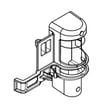
  • Connector for Whirlpool WTW5600SQ0 - Part 3347243

    Wiring harness parts diagram

    Connector

    Part #3347243

    The manufacturer no longer makes this part, and there's no substitute part

  • Washer Cold Water Inlet Valve Wire Connector for Whirlpool WTW5600SQ0 - Part 3354925

    Wiring harness parts diagram

    Washer Cold Water Inlet Valve Wire Connector

    Part #3354925

    The manufacturer no longer makes this part, and there's no substitute part

  • Harness Clip for Whirlpool WTW5600SQ0 - Part 388498

    Wiring harness parts diagram

    Harness Clip

    Part #388498

    The manufacturer no longer makes this part, and there's no substitute part

  • Washer Repair Manual for Whirlpool WTW5600SQ0 - Part 4313896

    Top and cabinet parts diagram

    Washer Repair Manual

    Part #4313896

    The manufacturer no longer makes this part, and there's no substitute part

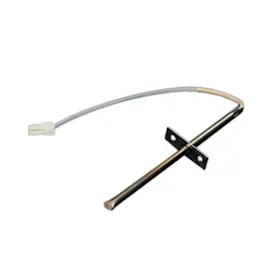
  • Protector for Whirlpool WTW5600SQ0 - Part 63523

    Wiring harness parts diagram

    Protector

    Part #63523

    The manufacturer no longer makes this part, and there's no substitute part

  • Leveling Link Assembly for Whirlpool WTW5600SQ0 - Part 63466

    Machine base parts diagram

    Leveling Link Assembly

    Part #63466

    The manufacturer no longer makes this part, and there's no substitute part

  • Installation Instructions for Whirlpool WTW5600SQ0 - Part W10044800

    Top and cabinet parts diagram

    Installation Instructions

    Part #W10044800

    The manufacturer no longer makes this part, and there's no substitute part

  • Washer for Whirlpool WTW5600SQ0 - Part 62618

    Gearcase parts, optional parts (not included) diagram

    Washer

    Part #62618

    The manufacturer no longer makes this part, and there's no substitute part

  • Dryer Control Knob for Whirlpool WTW5600SQ0 - Part 8565944

    Controls and rear panel parts diagram

    Dryer Control Knob

    Part #8565944

    The manufacturer no longer makes this part, and there's no substitute part

  • Wiring Diagram for Whirlpool WTW5600SQ0 - Part 8577358

    Top and cabinet parts diagram

    Wiring Diagram

    Part #8577358

    The manufacturer no longer makes this part, and there's no substitute part

Whirlpool Washer WTW5600SQ0 FAQs

The Whirlpool WTW5600SQ0 washer has a typical capacity of about 3.2 cu. ft. Capacity is the usable tub volume for clothing and water; it helps you choose load size and cycle settings that clean well without overloading.

How to confirm capacity for your exact washer

We recommend checking the model-specific specs section in the WTW5600SQ0 owner's manual. That is the best place to verify capacity and any load-size guidance for this Whirlpool top-load washer.

What 3.2 cu. ft. means for everyday loads

A 3.2 cu. ft. top-load washer is generally sized for everyday family laundry. For best results, loads should move freely during washing and not be packed down.

  • Fill the basket loosely; do not compress items.
  • Mix large and small items to help balance the load.
  • Keep bulky items (blankets, jackets) to one or two at a time.
  • If the washer shakes or thumps, pause and redistribute the load.
  • Use the correct water level (if your model has a selector) for the load size.

Quick load-size guide (practical examples)

Load type What it usually looks like Goal
Small A few shirts and light items Items tumble and circulate easily
Medium A typical mixed hamper No tight packing; even distribution
Large Towels/jeans or bulky items Still able to move freely; balanced

Why it matters

Matching load size to capacity helps prevent poor cleaning, out-of-balance spinning, and extra wear on drive components such as the clutch and motor coupling.

Last updated: January 2026

A Whirlpool washing machine like model WTW5600SQ0 typically lasts 14 to 18 years in normal single-family household use when it’s operated and maintained as described in the WTW5600SQ0 owner's manual.

Typical lifespan for a Whirlpool washer

Most Whirlpool top-load washers in this class land in this range:

Usage pattern Typical life expectancy
Light use (few loads/week) 16 to 18 years
Average use (several loads/week) 14 to 16 years
Heavy use (daily loads) 10 to 14 years

What shortens washer life fastest

We see these issues reduce lifespan more than anything else:

  • Overloading the basket so clothes cannot move freely
  • Running consistently unbalanced loads (shaking and banging)
  • Using too much detergent or frequent undiluted bleach contact with fabrics
  • Poor water quality (sediment buildup) and clogged inlet screens
  • Ignoring early symptoms like slow drain, burning smell, or intermittent spin

Maintenance habits that help WTW5600SQ0 reach the high end of the range

These steps are simple and make a measurable difference:

  • Keep loads balanced; mix items and avoid washing single heavy pieces alone
  • Use the correct amount of HE detergent (even in many non-HE cycles, less is usually better)
  • Leave the lid open between loads to reduce moisture and odor
  • Check fill hoses periodically and replace aging hoses before they burst
  • Address small problems early (for example, a slow drain can point to a weakening pump)

Why it matters

Washer life expectancy is mostly about wear on the drive system, suspension, and drain components. Preventing overloads and imbalance reduces stress on parts that are expensive and labor-intensive to replace.

Last updated: January 2026

The most common Whirlpool washer complaint is a no-spin or no-drain condition, often caused by an unbalanced load, a lid switch issue, a drain restriction, or excess suds. On the Whirlpool WTW5600SQ0, start with the quick checks in the WTW5600SQ0 owner's manual.

Most common symptoms we see (and what to check first)

  • Washer won't drain or spin: confirm the lid is fully closed; the washer will not agitate or spin with the lid open.
  • Noisy operation: level the washer and rebalance the load; normal gear engagement sounds can occur between drain and spin.
  • Leaking: verify fill hoses are tight and the hose washers are seated correctly.
  • Won't fill or fills slowly: check for kinked inlet hoses and clogged inlet valve screens.
  • Stops or pauses mid-cycle: some cycles pause for about 2 minutes; let the cycle continue.

Quick diagnostic checklist (WTW5600SQ0)

  1. Lid closed test: close the lid firmly; if the washer still will not spin, inspect the lid switch circuit.
  2. Drain height and clogs: make sure the drain hose is not clogged and the end of the hose is not higher than 96 in. above the floor.
  3. Suds check: reduce detergent if you see heavy suds, especially with soft water.
  4. Water supply: confirm both hot and cold faucets are on; clean inlet screens if flow is weak.
  5. Leveling and load size: level the cabinet and avoid overloading.

Parts that commonly solve “won’t spin” or “won’t drain”

Symptom Common cause Part to consider
Won’t spin with lid closed Lid switch not sensing closed lid Washer lid switch assembly WP8318084
Won’t drain, hums, or leaves water Pump jam or weak pump Washer drain pump WP3363394
Agitates poorly, top agitator slips Worn agitator dogs Agitator dog 80040

Why it matters

A washer that will not drain or spin can leave clothes soaking wet and can strain the drive system. Fixing the root cause early (lid switch, drain path, or suds) helps prevent bigger repairs like clutch or gearcase wear.

Last updated: January 2026

Most common symptoms to help you fix your washers

Choose a symptom to see related washer repairs.

Main causes: clogged drain hose, house drain clogged, bad drain pump, water-level pressure switch failure, bad control b…

Main causes: broken lid switch or lid lock, bad pressure switch, broken shifter assembly, faulty control system…

Main causes: worn agitator dogs, bad clutch, broken motor coupler, shifter assembly failure, broken door lock, suspensio…

Main causes: water heater failure, bad water temperature switch, faulty control board, bad water valve, faulty water tem…

Main causes: lack of electrical power, wiring failure, bad power cord, electronic control board failure, bad user interf…

Main causes: no water supply, bad water valves, water-level pressure switch failure, control system failure, bad door lo…

Main causes: unbalanced load, loose spanner nut, worn drive block, broken shock absorber or suspension spring, debris in…

Main causes: leaky water inlet valve, faulty water-level pressure switch, bad electronic control board…

Main causes: bad lid switch or door lock, bad timer or electronic control board, wiring failure, bad water inlet valve a…

Repair guides for top-mount refrigerators

How to replace the light switch in a top-freezer refrigerator

How to replace the light switch in a top-freezer refrigerator

The light switch turns the refrigerator light on and off and monitors door position. Replace the light switch if it does…

Repair time and Difficulty

 15 minutes or less
How to replace the water inlet valve in a top-freezer refrigerator

How to replace the water inlet valve in a top-freezer refrigerator

The water inlet valve controls water flow to the ice maker. Replace the water valve if it doesn't open or shut properly.…

Repair time and Difficulty

 15 minutes or less
How to replace the compressor run capacitor in a top-freezer refrigerator

How to replace the compressor run capacitor in a top-freezer refrigerator

The run capacitor sends electric current to the compressor motor to help the motor run efficiently. Replace the run capa…

Repair time and Difficulty

 15 minutes or less

Effective articles & videos to help repair your washers

Use the advice and tips in these articles and videos to get the most out of your washer.

How auto-load sensing washers work (and when they don't)

How auto-load sensing washers work (and when they don't)

Your washer barely fills or seems stuck in sensing mode? Find out how auto-load sensing and Precise Fill features work, …

How to remove the main control board and user interface from a Maytag Epic Z front-load washer

How to remove the main control board and user interface from a Maytag Epic Z front-load washer

Get step-by-step instructions for removing the main electronic control board and the control panel from a Maytage Epic Z…

Using a wiring schematic to trace a current video

Using a wiring schematic to trace a current video

Find out what’s wrong with your appliance by following a circuit.…

Parts & More

Audio Equipment
Bottom-Mount Refrigerator
Dishwasher
Dryer
Front-Engine Lawn Tractor
Gas Pressure Washer
Gas Walk-Behind Mower
Laundry Center
Parts
Planer
Rear-Engine Riding Mower
Refrigerator
Room Air Conditioner
Treadmill