 Installation guide
 Owner’s manual
 Error Codes
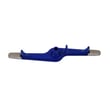


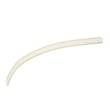

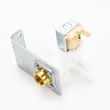
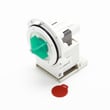
How to fix a Frigidaire dishwasher power failure?
On a Frigidaire FDB1502RGC4 dishwasher, a “power failure” (often shown as PF or flashing lights) is usually cleared by resetting the control and confirming the door is fully closed and latched. If the display comes back but the cycle will not start, check the home power supply and the dishwasher’s wiring connections.
Quick reset steps (most common fix)
- Make sure the door is fully closed and latched.
- Press and hold Start/Cancel for 3 to 5 seconds until the lights turn off.
- Wait 10 to 15 seconds.
- Select a cycle and press Start.
- If the dishwasher is still unresponsive, turn the breaker OFF for 1 minute, then ON.
Power checks that solve repeat PF issues
Disconnect electrical power at the breaker before opening any panels.
- Confirm the dishwasher has steady power (no loose plug, tripped breaker, or blown fuse).
- Check for a loose connection in the junction box (all wiring connections must be enclosed in the junction box).
- Make sure the dishwasher is properly grounded as described in the FDB1502RGC4 installation guide.
- If the unit powers up but will not run, the door latch switch circuit or user interface can be involved.
Parts that commonly relate to “has power but won’t run” symptoms
If the reset works only sometimes, these parts are common suspects on many dishwashers:
| Symptom | What it points to | Example part for this model |
|---|---|---|
| Lights on, won’t start when door closes | Door latch/switch circuit issue | (varies by configuration) |
| Random stopping, odd behavior | Control or interface issue | Dishwasher electronic control board 5304512731 |
| Overfill behavior, won’t advance | Float/overfill protection switch issue | Switch 154773201 |
Why it matters
A PF condition is often just a control reset after a brief outage, but repeated PF events can also indicate an intermittent power connection or grounding issue. Fixing the root cause helps prevent mid-cycle stops and protects the control.
Last updated: January 2026
What is the most common problem with the Frigidaire dishwasher?
On the Frigidaire FDB1502RGC4 dishwasher, the most common day-to-day complaint is water not draining or draining slowly, usually caused by a restriction in the drain path (hose, disposer connection, or pump area) or an overfill/float issue that interrupts normal operation. See the FDB1502RGC4 owner's manual for model-specific use and care details.
What to check first (fast, high-impact)
- Cancel the cycle and verify whether water remains in the bottom after the drain portion finishes.
- Inspect the drain hose routing for kinks or crushing; kinked drain hoses can cause problems.
- If the drain hose connects to a food disposer, make sure the disposer inlet plug has been knocked out (common after a new disposer install).
- Check the overfill protector (float) in the left front of the tub; it should move up and down freely about 1 inch.
- Run hot water at the sink before starting a cycle to improve wash performance and reduce residue that can contribute to clogs.
Parts that commonly solve drain and fill complaints
If the checks above do not restore normal draining or filling, these model-matched parts are common fixes:
| Symptom | Most likely area | Model-matched part to consider |
|---|---|---|
| Water left in bottom | Drain path or pump | Pump A00126401 |
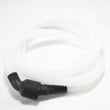
| Slow drain or leaks at drain connection | Drain hose | Drain hose 807117001 |
| Not filling or weak fill | Water supply inlet | Dishwasher water inlet valve 154637401 |
| Overfilling or fill stops unexpectedly | Float circuit | Switch 154773201 |
Why it matters
Drain restrictions and float-related issues can stop the dishwasher from completing a cycle, leave dirty water in the tub, and create odors. Fixing the drain path and ensuring proper water supply helps the unit clean and dry more consistently.
When to use the installation instructions
If you suspect a routing, kink, or disposer-connection issue, follow the drain and water connection guidance in the FDB1502RGC4 installation guide.
Last updated: January 2026
How to get a Frigidaire professional dishwasher to drain?
To get your Frigidaire dishwasher (model FDB1502RGC4) to drain, we focus on the drain path from the tub to the sink or disposer: clear clogs, confirm the drain hose is properly routed with a high loop and no kinks, and make sure the drain pump can push water out.
Quick checks that fix most “won’t drain” problems
- Cancel the cycle and wait a minute to see if the unit starts a drain-out.
- Check the sink/disposer connection; if connected to a disposer, remove the disposer inlet knock-out plug.
- Verify the drain hose has a high loop (at least 32 inches above the floor) and is not kinked.
- Make sure the hose is clamped securely to the drain connection (do not overtighten).
- Confirm the dishwasher is not resting on the drain hose (pinching it shut).
Drain hose routing requirements (installation-critical)
The installation instructions for FDB1502RGC4 call out routing details that directly affect draining.
| What to verify | What “good” looks like | What it prevents |
|---|---|---|
| High loop height | Drain hose loop at least 32 inches from the floor | Backflow and slow draining |
| Hose shape | No sharp bends or kinks | Restricted drain flow |
| Connection point | Entry above the sink trap; avoid improper tie-ins | Siphoning and backups |
| Disposer hookup | Knock-out plug removed | Total no-drain condition |
For diagrams and the approved connection methods, use the installation guide.
When to suspect a failed drain component
If the hose routing and sink/disposer connection are correct but water still stays in the tub, the next most common causes are a blockage at the pump inlet or a weak/failed pump.
- Inspect the drain hose for internal blockage (grease, debris) and replace if damaged.
- Check the drain pump area for debris that can jam the impeller.
- If the pump runs but does not move water, replacement is often the fix.
Model-matched parts that commonly solve drain issues:
- Drain hose 807117001 (cracked, kinked, or internally clogged hose)
- Pump A00126401 (weak motor, damaged impeller, or internal failure)
Why it matters
A dishwasher that cannot drain can leave dirty water in the sump, cause odors, and prevent the next cycle from running correctly. Correct drain hose routing and a clear drain path are the foundation before replacing parts.
Last updated: January 2026
What does 4 mean on a Frigidaire dishwasher?
On a Frigidaire FDB1502RGC4 dishwasher, a “4” display is commonly treated as a drain-related fault (the dishwasher is not pumping water out as expected). Start by checking for a clog or installation issue in the drain path before replacing parts; use the FDB1502RGC4 owner's manual for the exact reset and indicator behavior.
What to check first (fast, no parts)
- Cancel the cycle and let the unit attempt to drain; listen for the drain motor running.
- Remove standing water (if present) and clear debris from the sump and filter area.
- Check the sink/disposer connection for a blockage.
- Inspect the drain hose for kinks, crushing, or a low loop.
- Confirm the drain connection method matches the FDB1502RGC4 installation guide (proper routing helps prevent backflow and slow draining).
Likely causes and the most common fixes
A “4” condition usually comes from restricted flow or a component that cannot move water.
| Symptom you notice | Most likely cause | What usually fixes it |
|---|---|---|
| Water stays in tub after cancel/drain | Clogged hose or drain path | Clear hose, air gap (if used), sink/disposer inlet |
| Hums but drains slowly | Partial blockage or weak pump | Clear restriction; replace pump if weak |
| Drains sometimes, then stops | Intermittent obstruction or failing pump | Inspect hose routing; replace pump if recurring |
| Overfill behavior or odd fill/drain cycling | Float/overfill protection issue | Check float movement; test float switch |
Parts that commonly solve a “4” drain problem
Replace parts only after you confirm the drain path is clear.
- Drain hose 807117001 if the hose is split, collapsed, or permanently kinked
- Pump A00126401 if the motor runs but cannot move water (or is noisy and weak)
- Switch 154773201 (float switch) if the dishwasher thinks it is overfilled and behaves abnormally
Why it matters
When the dishwasher cannot drain, water can recirculate soil, reduce cleaning performance, and keep the unit from completing the cycle. Correct drain hose routing and a clear drain path are the foundation before diagnosing the pump or controls.
Last updated: January 2026





