Owner’s manual
 Error Codes




How much should a 40 gallon electric water heater cost?
A 40-gallon electric water heater typically costs about $400 to $1,000 for the unit, and about $1,000 to $3,000 installed. For American model EE3J50RD045V, the exact installed price depends on local labor, permit requirements, and whether plumbing or electrical updates are needed; see the EE3J50RD045V use & care manual for installation requirements that can affect total cost.
What drives the total installed price
Installed cost is usually the unit plus labor and job-specific materials. Common cost drivers include:
- Tank height/diameter constraints (tight closets, attic installs, stairs)
- Electrical work (breaker, wire gauge, junction box, conduit)
- Plumbing updates (shutoff valve, unions, dielectric fittings)
- Code items (drain pan, discharge piping, seismic strapping where required)
- Disposal/haul-away of the old heater
- Water quality issues (sediment, corrosion) that can add parts and labor
Typical cost ranges (quick guide)
These are common U.S. ranges for a standard 40-gallon electric tank replacement.
| Cost item | Typical range | Notes |
|---|---|---|
| Unit only | $400 to $1,000 | Basic to higher-feature models |
| Basic install labor | $500 to $1,500 | Varies by region and access |
| Materials/incidentals | $100 to $600 | Valves, fittings, pan, piping |
| Permits/inspection | $0 to $300+ | Depends on local rules |
How to estimate your price more accurately
We recommend pricing the job using these steps:
- Confirm tank size and voltage/amp requirements for your home
- Compare warranty length and features (these often change the unit price)
- Ask whether the quote includes permit, pan, and T&P discharge line work
- Verify the installer will follow the wiring and safety guidance in the EE3J50RD045V use & care manual
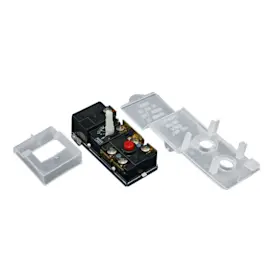
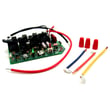
- If you are troubleshooting an existing heater instead of replacing it, check whether a repair part like the water heater electronic control board kit 100093769 could address the issue at a lower cost
Why it matters
A low quote can exclude code-required items (like a proper drain pan or discharge line routing), while a high quote can reflect difficult access or necessary electrical/plumbing corrections. Comparing quotes line-by-line helps you understand what you are paying for.
Last updated: January 2026
How to tell if an electric water heater is bad?
If your American Water Heaters model EE3J50RD045V is “going bad,” you’ll usually notice loss of hot water performance (none, not enough, or slow recovery), repeated electrical shutoffs, or persistent leaking or noise. Use the diagnostic light codes and basic checks in the EE3J50RD045V use & care manual to narrow down whether the issue is electrical, a heating component, or the tank.
Quick signs your water heater is failing
- No hot water at all (often power, control, or upper heating circuit related)
- Hot water runs out fast (commonly lower heating circuit, dip tube, or heavy sediment)
- Slow hot water recovery (water heats, but takes much longer than normal)
- Breaker trips or no diagnostic light (possible wiring, control board, or element issue)
- Popping or rumbling noises (sediment buildup on the tank bottom)
- Water in the drain pan or visible tank leakage (tank or connection leak)
- Diagnostic light flashing codes (points to sensors, elements, or high-limit condition)
Model-specific checks we recommend for EE3J50RD045V
This model uses an electronic temperature control system with a diagnostic indicator light. The manual’s diagnostic chart calls out common failure patterns:
| What you see | What it often means | What to do next |
|---|---|---|
| No light | No power or control issue | Check breaker and wiring; then suspect control board |
| 2 flashes | High-limit temperature reached | Verify access doors and insulation are in place; test element circuits |
| 3 flashes | Sensor failure | Check temperature sensors; replace if failed |
| 4 flashes | Upper element circuit failure | Inspect wiring; test upper element circuit |
| 5 flashes | Lower element circuit failure | Inspect wiring; test lower element circuit |
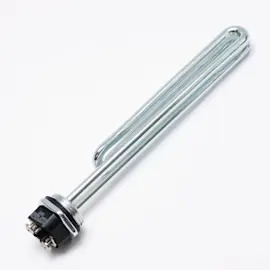
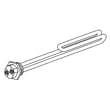
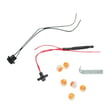
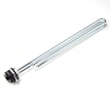
If you’re getting 5 flashes and the heater can’t keep up, the lower element is a common fix; see the lower element 100287290. If you’re seeing 3 flashes (sensor issue), the water heater thermistor kit 100093745 matches this model.
Why it matters
Catching the “bad water heater” signs early can prevent repeated cold showers, nuisance breaker trips, and avoidable damage from leaks. It also helps you decide whether you’re dealing with a serviceable part (element, sensor, control) or a tank problem.
When it’s more likely the tank is bad
- Water is leaking from the tank body (not a fitting)
- Rusty water that persists after flushing
- Severe sediment noise plus poor performance even after maintenance
Last updated: January 2026
Is it cheaper to repair or replace a water heater?
For the American water heater model EE3J50RD045V, repairing is usually cheaper upfront when the issue is limited to a serviceable part (like a heating element, sensor, or control board). Replacing the water heater typically costs more, but it is the better long-term choice when the tank is leaking or the unit is near end of life.
How we decide for EE3J50RD045V
We use the same practical decision points technicians use, plus the model’s built-in diagnostics and maintenance guidance in the EE3J50RD045V installation instructions and use & care guide.
- Replace if the tank is leaking (not a fitting or valve) or there is recurring internal corrosion.
- Repair if you have no hot water or slow recovery and diagnostics point to an electrical component.
- Repair if sediment buildup is the main issue and flushing restores performance.
- Replace if multiple major components fail repeatedly and the heater is already older.
Common “repairable” failures (parts you can replace)
On EE3J50RD045V, the manual’s diagnostic light codes often lead to a specific repair path.
- 4 flashes: upper element circuit issue
- 5 flashes: lower element circuit issue (a common cause of “not enough hot water”)
- 3 flashes: temperature sensor problem
- No light: power issue or control board problem
If diagnostics point to a failed lower element, a compatible replacement is the lower element 100287290.
Repair vs. replace: quick comparison
| Situation | Usually cheaper now | Best long-term choice |
|---|---|---|
| Failed heating element or sensor | Repair | Repair |
| Control board issue (power present, controller fault) | Repair | Repair |
| Sediment causing noise/poor recovery | Repair (flush) | Repair |
| Tank leak from the tank body | Replace | Replace |
Why it matters
A water heater with a sound tank can often be restored with targeted repairs, which saves money and downtime. But once the tank itself starts leaking, replacing parts will not stop the underlying failure, so replacement avoids repeated service calls and water damage risk.
Last updated: January 2026
What is the average lifespan of an electric hot water tank?
An electric hot water tank typically lasts 10 to 15 years, and that’s the practical expectation for an American Water Heaters EE3J50RD045V when it’s installed correctly and maintained (especially flushing sediment and inspecting the anode rod). For model-specific maintenance intervals and procedures, use the EE3J50RD045V use & care manual.
Typical lifespan (what to expect)
Most homeowners see electric tank water heaters fall into these ranges:
- 10 to 15 years: typical service life for electric tank-style water heaters
- 8 to 10 years: common when maintenance is skipped or water conditions are harsh
- 15+ years: possible with consistent maintenance and favorable water quality
What shortens or extends tank life
The tank usually fails from internal corrosion or heavy sediment buildup. For the EE3J50RD045V, these factors matter most:
- Sediment buildup in the bottom of the tank (can cause noise and premature tank failure)
- Anode rod condition (the manual recommends inspecting about every 3 years and replacing if more than 50% depleted)
- Water quality (for example, softened water can be more corrosive)
- Operating temperature (higher settings increase stress and scale)
- Leak history at fittings, drain valve, or T&P relief valve discharge
Maintenance that helps you reach the high end of the range
Here are the most effective, realistic steps:
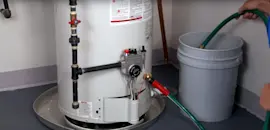
- Drain and flush the tank about every 6 months to reduce sediment
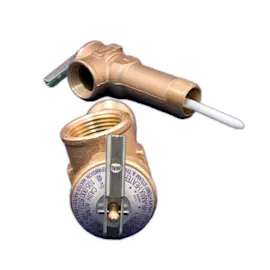
- Test the temperature and pressure relief valve yearly
- Inspect the anode rod about every 3 years and replace when worn
- Keep access doors and insulation properly installed after any service
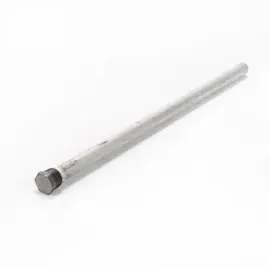
- Replace worn service parts promptly, such as the water heater anode rod 100110266 if inspection shows heavy depletion
Quick reference table
| Item | EE3J50RD045V guidance | Why it matters |
|---|---|---|
| Tank flushing | About every 6 months | Reduces sediment and overheating at elements |
| Anode rod inspection | About every 3 years | Slows tank corrosion |
| Water temperature | Start around 120°F | Helps reduce scald risk and scaling |
Why it matters
Once the tank itself starts leaking, it’s typically the end of the water heater’s service life. Staying ahead of sediment and anode-rod wear is the best way to avoid early failure and keep recovery time and operating costs under control.
Last updated: January 2026
What's the average cost to replace a 50-gallon electric water heater?
Replacing a 50-gallon electric water heater like the American EE3J50RD045V typically runs about $700 to $2,500 installed. The wide range comes from the heater price, local labor rates, and whether your install needs electrical, plumbing, or code-related updates.
Typical cost breakdown (what you are paying for)
- Water heater unit: $500 to $1,200 for many standard 50-gallon electric models
- Labor/installation: $200 to $600 for a straightforward swap
- Common add-ons: haul-away, new shutoff valve, expansion tank, drain pan, or piping updates
- Higher-cost options: heat pump (hybrid) electric models, tight access, or significant re-piping
| Cost item | Typical range | Notes |
|---|---|---|
| Heater (50-gal electric) | $500 to $1,200 | Brand, warranty length, efficiency affect price |
| Basic install labor | $200 to $600 | Simple replacement with existing hookups |
| Total installed average | $700 to $2,500 | Can be higher with upgrades or difficult access |
What can push the price higher
A “like-for-like” replacement is usually the least expensive. Costs often rise when:
- The old tank is in a tight attic, crawlspace, or finished closet
- The electrical circuit needs work (breaker, wiring, disconnect)
- You need a thermal expansion solution for a closed system
- The installer adds a drain pan and drain line to protect the home
- Local permitting and inspection are required
Before you replace: quick checks that can save money
If your EE3J50RD045V has no hot water or not enough hot water, a repair may be cheaper than replacement. We recommend checking:
- Breaker tripped or no 240V supply
- Diagnostic light flash codes
- Failed heating element or sensor
Model-specific guidance is in the EE3J50RD045V manual. If diagnostics point to a control issue, a common repair part is the water heater electronic control board kit 100093769.
Why it matters
A realistic budget helps you decide whether to repair (element, thermistor, control board) or replace the full tank, and it reduces the chance of surprise costs from code upgrades or access challenges.
Last updated: January 2026