Installation guide
 Owner’s manual
 Error Codes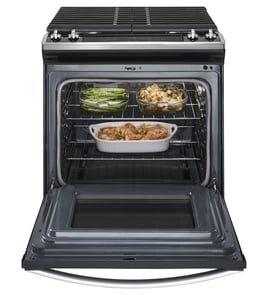



What is the average lifespan of a gas oven?
A gas oven typically lasts about 15 years with normal household use and basic maintenance. For the Jenn-Air PRG3010NP gas range, keeping burners clean, ensuring proper flame, and addressing ignition issues early helps you get the full expected service life.
Typical lifespan by oven type
| Oven type | Typical lifespan |
|---|---|
| Gas oven | ~15 years |
| Electric oven | ~13 to 15 years |
| Dual-fuel oven | ~15 years |
What affects lifespan most
- Heat and grease buildup in the oven cavity and around burner areas
- Ignition wear (spark ignition components cycling repeatedly)
- Gas supply and flame quality (poor combustion can stress components)
- Ventilation and cooling airflow around the range
- How often high-heat cooking (broil, self-clean if equipped) is used
Maintenance habits that help a gas oven reach 15 years
- Clean spills promptly and follow the cleaning guidance in the PRG3010NP owner’s manual.
- Keep burner ports clear so flames stay steady and mostly blue.
- If a burner will not ignite, listen for clicking and check power supply issues first (breaker, fuse, wiring).
- Confirm the gas shut-off valve location and how to shut it off in an emergency.
- Schedule service when you notice delayed ignition, repeated clicking, or uneven heating.
Why it matters
A 15-year lifespan is a practical planning number for budgeting repairs versus replacement. When ignition or flame issues start, fixing them early often prevents secondary problems like soot buildup, overheating, or unreliable baking performance.
Last updated: January 2026
What type of gas is used in ovens?
For the Jenn-Air gas range model PRG3010NP, the oven and burners are designed to operate on natural gas. Using the correct gas type matters for safe ignition, proper flame color, and stable oven temperatures; always follow the setup details in the PRG3010NP owner's manual.
Natural gas vs LP (propane): what’s the difference?
Many ovens can be configured for either natural gas or LP, but they require the correct orifices and regulator settings for the fuel being used.
- Natural gas is typically supplied by a utility line to the home.
- LP (propane) is typically supplied from a tank.
- LP flames can show slight yellow tipping; that can be normal for LP.
- Wrong gas type can cause poor ignition, sooting, or flame lifting.
How to confirm what your range is set up for
We recommend checking these items before you cook or troubleshoot performance:
- Confirm your home supply is natural gas or LP.
- Check the model and fuel notes in the PRG3010NP installation guide.
- Look for any conversion labeling or documentation left by the installer.
- If flames are abnormal (very yellow, noisy, lifting), stop using the range and have a qualified technician check setup.
Quick flame check guide
Use this as a simple visual reference after the range is installed correctly.
| What you see | Most likely cause | What to do |
|---|---|---|
| Mostly blue, steady flame | Normal combustion | Use normally |
| Very yellow, lazy flame | Not enough air or incorrect setup | Have air shutter/setup checked |
| Noisy flame or lifting | Too much air or incorrect setup | Have air shutter/setup checked |
Why it matters
Correct fuel type and proper setup help your PRG3010NP heat evenly, ignite reliably, and avoid flame problems that can affect cooking results and safety.
Last updated: January 2026
Why don't they make gas ovens anymore?
Gas ovens are still made, but many brands and builders are shifting emphasis toward electric and induction because they simplify installation and ventilation planning, align with electrification goals, and match changing customer demand. Your Jenn-Air PRG3010NP is a true gas range with a large-capacity gas oven and gas infrared broiler.
What’s changing in the market
Several trends are pushing more electric cooking options into stores and new construction:
- More new homes and remodels are being designed for all-electric kitchens (no gas line needed)
- Induction cooktops have become a popular “high performance” alternative to gas
- Some regions and projects prioritize electrification for energy and emissions goals
- Ventilation expectations are increasing, especially for higher-BTU cooking
- Manufacturers often streamline product lines toward what sells most consistently
What we know about PRG3010NP specifically
The PRG3010NP is designed around gas cooking performance and includes features that depend on gas supply and electrical power for ignition.
| Feature | PRG3010NP behavior | Why it matters |
|---|---|---|
| Oven type | Gas oven | Delivers traditional gas baking characteristics |
| Ignition | Pilotless, electric glow ignitor | Needs power to light burners |
| Power outage | Oven will not operate | Plan for outages if you rely on the oven |
For operating and safety details (including what to do if you smell gas), follow the PRG3010NP owner’s manual.
Why it matters for owners and repairs
Even though the market is shifting, keeping a gas range running safely is straightforward when you maintain ignition and burner components and keep airflow paths clear.
- Keep oven vents and air intakes unobstructed for proper combustion and ventilation
- If ignition becomes unreliable, inspect common ignition components (switches, module)
- Use the correct hardware when servicing burner areas to prevent misalignment
- Shut off gas at the valve before service; restore only after checks are complete
- Use a qualified technician for gas-related service and installation work
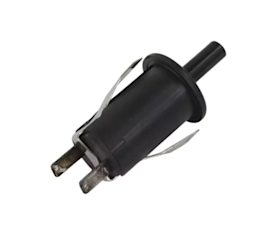
If you are troubleshooting repeated clicking or weak ignition, parts that commonly relate to spark and ignition include the reignition module WP73001323 and range igniter switch WP73001321.
Last updated: January 2026