Owner’s manual
 Error Codes



What is the average lifespan of a Kenmore washer?
A Kenmore washer typically lasts 10 to 15 years. For your Kenmore 11047542602, regular preventive maintenance (cleaning, correct HE detergent use, and keeping water supply hoses in good shape) is what most directly determines whether you land closer to 10 years or closer to 15.
Typical lifespan and what changes it
Most washers wear based on cycles run, load size, and vibration. Front-load designs like the 11047542602 can last just as long as top-loaders when they stay level and are not routinely overloaded.
Big factors that shorten lifespan
- Frequent overloading (stresses the suspension, tub, and drive system)
- Chronic off-balance spinning and “walking”
- Skipping routine cleaning (odor, residue, and drain issues)
- Hard water buildup and excessive detergent use
- Leaks that go uncorrected (door boot, hoses, clamps)
Maintenance that helps you reach 15 years
Use these habits to reduce wear on the motor, belt, shocks, and door seal.
- Run periodic cleaning cycles as outlined in the 11047542602 owner's manual
- Use HE detergent and measure it correctly (too much causes residue and odors)
- Keep the washer level; adjust feet if it starts to vibrate
- Inspect inlet hoses for bulges or cracking; replace on a schedule
- Leave the door slightly open between loads so the boot can dry
Quick “what to check” table
| What you notice | What it usually points to | What to do next |
|---|---|---|
| Washer shakes or walks | Off-balance load or leveling issue | Re-level, reduce load size, redistribute items |
| Water on floor near door | Door boot or clamp issue | Inspect boot and clamps; replace if torn or loose |
| Poor draining or standing water | Drain restriction or pump filter issue | Clean the pump filter and check for obstructions |
| Clothes too wet after spin | Balance/suspension or drive issue | Check load size, leveling, and drive components |
Why it matters
A washer that stays balanced and clean runs smoother, spins more efficiently, and puts less strain on high-wear items like the belt, shocks, and door seal. That directly extends service life and reduces mid-life breakdowns.
Last updated: February 2026
How to tell if a washing machine drain pump is bad?
A bad drain pump on your Kenmore washer model 11047542602 shows up as water left in the drum, a “won’t drain/spin” symptom, or abnormal pump noises during drain. First rule out a kinked/clogged drain hose and excessive suds; then suspect the pump.
Quick signs the drain pump is failing
- Washer won’t drain; water remains in the washer at the end of the cycle
- Humming or grinding during drain (not the normal brief “gurgle” as air is pulled through)
- Intermittent draining (starts, then stops) even with a clear hose
- “F21” drain problem code appears on the display
- Clothes come out wetter than normal because the washer cannot complete a proper drain and spin
What to check first (fast, no parts swapping)
Before blaming the pump, we check the common causes called out for this model:
- Make sure the drain hose is not kinked
- Confirm the drain hose is not clogged
- Verify the drain hose height: the end of the hose must not be more than 96 in. (2.4 m) above the floor
- Avoid sealing the drain hose to the standpipe; it needs an air gap
- Reduce suds: use HE detergent only (excess suds can trigger a suds routine and slow or interrupt draining)
Normal vs. not normal drain sounds
| Sound during drain | Usually means | What we do |
|---|---|---|
| Brief gurgling/humming near end of drain | Normal air being pulled through pump | No repair needed |
| Loud grinding/rattling, repeated humming with no water movement | Pump impeller jammed or pump motor failing | Check for blockage; replace pump if needed |
When a part is likely needed
If the hose checks out and the washer still will not drain (or repeatedly shows “F21”), the drain pump area is the next place we service. On many front-load designs, a clogged pump filter can mimic a failed pump; for this model, the drain/pump filter service is a common next step.
Helpful related part on this model:
- Filter WPW10730972 (often involved when diagnosing drain restrictions)
Why it matters
A washer that cannot drain properly often cannot complete the final spin, so loads stay wet and the machine may stop mid-cycle. Fixing the drain restriction early also helps prevent repeat “drain problem” errors.
For model-specific error code steps and drain checks, follow the troubleshooting section in the owner's manual.
Last updated: February 2026
How many cubic feet is a Kenmore washer 11047542602 series?
The Kenmore washer model 11047542602 has a 4.0 cu. ft. (DOE) capacity. We recommend confirming the capacity label in the specifications section of the 11047542602 owner's manual so you are using the same capacity standard when comparing washers.
How to verify the capacity on your exact washer
Use the model-specific documentation first, then double-check the rating label if needed.
- Open the 11047542602 owner's manual and look for Specifications or Features.
- Confirm the capacity is listed as DOE capacity (the most common comparison number).
- If you see a second number such as IEC capacity or basket volume, use the same standard when comparing.
- Check the washer’s model and serial tag (typically around the door opening) to confirm it matches 11047542602.
Capacity standards: what the numbers mean
Different standards can show different cubic-foot values for the same washer.
| Listing type | What it represents | Best used for |
|---|---|---|
| DOE capacity | Standardized rating used for comparisons | Comparing washer sizes across brands/models |
| IEC capacity / basket volume | Alternate measurement method | Understanding tub volume differences in some literature |
Why it matters
Using the correct capacity rating helps you load the washer properly and compare like-for-like with other Kenmore, Whirlpool-built, or similar front-load washers. Overloading reduces cleaning performance and can increase vibration.
Related troubleshooting tip
If you are dealing with out-of-balance shaking while trying to maximize load size, follow our Kenmore front load washer ue error code troubleshooting steps.
Last updated: February 2026
Is it worth replacing a pump on a washing machine?
Yes. On a Kenmore 11047542602 washer, replacing the drain pump is worth it when the washer is otherwise in good condition because the pump repair cost is typically far less than replacing the entire washer. Use the owner's manual to confirm it is a true drain problem first.
Quick decision checklist
- Water remains in the tub, or the washer will not drain or spin.
- You have checked the drain hose for kinks, clogs, or freezing.
- The drain hose is installed correctly: at least 30 inches above the floor and not sealed to the standpipe (it needs an air gap).
- You use HE detergent; excessive suds can trigger a suds routine and make draining seem stuck.
- The washer has no major additional issues (severe leaks, repeated electrical faults, loud bearing noise).
What to check before buying a pump
Start with the common causes the manual calls out for drain complaints:
- Drain hose routing: not kinked, not clogged, not higher than 96 inches above the floor.
- Standpipe fit: hose should be secure but not taped or airtight.
- Suds: reduce detergent and use HE only if you see excessive suds behavior.
- Normal sounds: gurgling or humming during draining can be normal air movement through the pump.
Symptom guide
| What you see | Most likely cause | First step |
|---|---|---|
| Won’t drain, water remains | Clog in drain path or pump area | Check hose and drain path for blockage |
| Cycle seems stuck filling or draining | Drain hose height or air gap issue | Correct hose height and standpipe setup |
| Suds routine runs | Too much or non-HE detergent | Switch to HE and reduce amount |
Parts that often come up during drain troubleshooting
- Filter WPW10730972 (filter used in the drain system path)
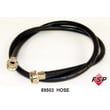
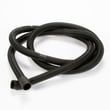
- Fill hose WP89503 (replace if hoses are kinked, brittle, or leaking)
Why it matters
A restricted or failing drain system can leave water in the tub and prevent high-speed spin. Fixing the real cause (hose setup, suds, blockage, or a failed pump) restores normal cycle completion.
Last updated: February 2026