Error Codes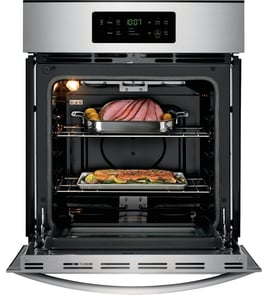




How long do KitchenAid wall ovens last?
KitchenAid wall ovens, including model KEBS207BSS01, typically last 15 to 20 years with normal household use and basic care. Because wall ovens have relatively few moving parts, they often outlast many other kitchen appliances.
Typical lifespan and what to expect
Most owners see a long service life, but performance depends on heat exposure, cleaning habits, and how quickly small issues are repaired.
- 15 to 20 years is the normal lifespan range for an electric wall oven
- Heating parts (bake, broil, convection) usually wear before the cabinet or door
- Temperature accuracy often drifts before the oven fully fails
- Door hardware can loosen over time, causing heat loss and longer preheats
- Electrical connection issues can shorten lifespan if not corrected
Parts that most often affect longevity
If the oven still powers on but heats poorly, trips breakers, or overheats, these common components are worth checking first.
| Symptom | Common wear item | Example part for KEBS207BSS01 |
|---|---|---|
| Slow or uneven baking | Bake heating circuit | Range bake element W11545804 |
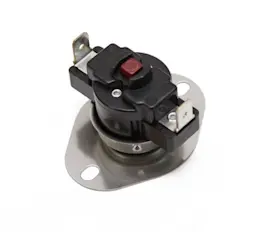
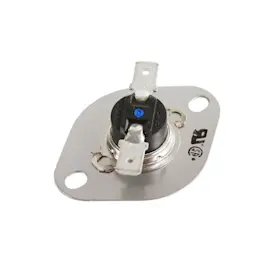
| Overheating or shuts off | Safety temperature control | Range high-limit thermostat WP4449751 |
| Intermittent power, burning smell at wiring | Power connection point | Terminal block WPW10245259 |
How to help your wall oven reach 20 years
These habits reduce stress on heating components, wiring, and door seals.
- Keep the cavity clean; heavy soil can cause smoke and excess heat cycling
- Avoid slamming the door; it strains hinges and can misalign the door
- Use the right rack position and cookware to prevent hot spots
- If preheat times suddenly increase, test heating performance and address it early
- If you smell hot wiring or see discoloration near connections, stop using the oven and have it serviced
Why it matters
A wall oven that is nearing the end of its lifespan often becomes less consistent before it stops heating entirely. Catching issues early can prevent secondary damage to wiring, controls, and door components.
Last updated: February 2026
Do electric wall ovens need 220?
Yes. A KitchenAid electric wall oven like model KEBS207BSS01 is designed to run on a dedicated 240-volt (often called “220”) circuit, not a standard 120-volt household outlet. Using the correct voltage is required for safe operation and proper heating performance.
What to expect for power requirements
Most U.S. electric wall ovens use a 240V supply with a dedicated breaker and properly sized wiring. If you are replacing an older oven, confirm the existing circuit matches the new oven’s electrical rating.
- Plan on a dedicated 240V circuit (no other appliances on the same breaker)
- Verify the breaker size matches the oven’s rating (commonly 30A to 50A)
- Confirm the home wiring gauge matches the breaker size
- Make sure the junction box and connections are tight and not heat-damaged
- If you see discoloration or melting at connections, address it before installing the oven
Common wiring setups (what “220” usually means)
Electric wall ovens are typically hardwired to a junction box rather than plugged into a receptacle.
| Setup | Where you’ll see it | Notes |
|---|---|---|
| 240V hardwired | Most wall ovens | Standard for built-in installations |
| 3-wire (older) | Older homes | Two hots plus neutral; may not meet current code in some areas |
| 4-wire (newer) | Newer installs | Two hots plus neutral plus ground; common modern standard |
Why it matters
A 120V connection will not heat correctly and can cause control issues, nuisance errors, or repeated shutdowns. Correct voltage and solid connections also help prevent overheating at the terminal connections.
Parts that relate to power connections
If you are troubleshooting a burned connection or loose wiring point, the power connection hardware is often involved. For this model, see the terminal block WPW10245259.
Quick safety checklist
- Turn off the breaker before removing any panels
- Use a meter to confirm power is off
- If wiring is aluminum, use approved connectors and anti-oxidant compound
- If the breaker trips repeatedly, stop and have the circuit checked
Last updated: February 2026
How to know if the KitchenAid wall oven thermostat is bad?
A bad thermostat in your KitchenAid KEBS207BSS01 wall oven usually shows up as unstable oven temperatures (overheating, underheating, or wide swings) even after you confirm basic settings and power are correct. If the oven repeatedly trips on high heat, the high-limit thermostat is a common failure point.
What you will notice when the thermostat is failing
- Food consistently overbrowns or undercooks at normal bake settings
- Preheat takes much longer than normal, or never seems to stabilize
- The oven cycles too hot, then too cool (large temperature swings)
- The oven shuts off mid-cycle and later works again (heat protection opening)
- You smell overheating or see heat-related discoloration near wiring (stop using the oven)
Quick checks before replacing parts
- Verify the symptom: Use an oven-safe thermometer and compare the average temperature over 20 to 30 minutes at 350°F.
- Check for obvious airflow issues: Heavy foil on racks or blocked vents can cause overheating and poor temperature control.
- Inspect the bake element: A weak or damaged element can mimic control problems. If it is blistered, cracked, or has a burned spot, replace the range bake element W11545804.
- Look for heat-damage at the power connection: Loose or burned connections can cause erratic heating. If the terminal block is heat-damaged, replace the terminal block WPW10245259.
Thermostat vs. temperature sensor: what is the difference?
In many electric wall ovens, temperature control involves a sensor circuit and safety devices. Here is a practical way to separate likely causes.
| Symptom | More likely cause | What to check next |
|---|---|---|
| Oven overheats and may shut down | High-limit thermostat opening | Replace the range high-limit thermostat WP4449751 if it is opening at normal temps |
| Oven heats but is consistently off by a small amount | Calibration or sensor drift | Try calibration first; then test sensor resistance if applicable |
| Oven will not heat at all | Element, wiring, or control | Inspect element, wiring harness, and connections |
Why it matters
A thermostat that is sticking closed or opening too early can cause unsafe overheating, repeated shutdowns, and damage to wiring, the control, and heating elements. Correcting the root cause restores stable baking temperatures and protects the oven.
Last updated: February 2026