Owner’s manual
 Error Codes

What is the lifespan of an LG refrigerator?
LG refrigerators typically last 10 to 15 years. For the LG LRSC26911TT side-by-side refrigerator, consistent maintenance (cleaning, good door sealing, and stable temperatures) is what most often determines whether you land closer to 10 years or closer to 15.
- Condenser airflow and cleanliness: dust buildup makes the unit run longer and hotter.
- Door seal condition: air leaks force longer run times and can cause temperature swings.
- Power interruptions: brief outages usually do not harm temperatures, but frequent events add wear.
- How often doors are opened: warm air entering increases run time.
- Water and ice system upkeep: clogged filters and low water flow can strain components.
- Keep doors closing fully; avoid food packages blocking the door.
- Minimize long door openings; the manual notes warm air entry increases run time.
- Replace the water filter on schedule; use the correct refrigerator water filter 5231JA2006A.
- If ice clumps, break up clumps and keep the bin clean and dry (per the manual’s ice maker guidance).
- Use the troubleshooting steps in the LRSC26911TT owner's manual before scheduling service.
| Item | What you may notice | Typical fix |
|---|---|---|
| Door gasket | Frost, moisture, longer run times | Clean/reshape gasket; replace if torn |
| Water filter | Slow water, odd taste/odor | Replace filter |
| Water inlet valve | No water/ice, weak fill | Diagnose valve and supply line |
A refrigerator that runs “too much” is usually reacting to heat load (hot room, frequent openings, warm food) or air leaks. Reducing run time lowers compressor wear and helps the LRSC26911TT reach its full expected lifespan.
Last updated: February 2026
How many cubic feet is a LG LRSC26911TT?
The LG LRSC26911TT is typically a 25 to 26 cubic foot side-by-side refrigerator. For the exact rated capacity for your specific unit, we recommend checking the model’s specifications in the LRSC26911TT owner’s manual.
Most LG side-by-side refrigerators in this size class land in the mid-20 cu. ft. range, which is enough for a typical family grocery load.
- Expect about 25 to 26 cu. ft. total capacity
- Side-by-side layouts usually split space close to 50/50 between fresh food and freezer
- Usable space can feel smaller than the rated number due to shelves, bins, and the ice maker
- If you use the in-door ice bin heavily, freezer storage space is reduced
Even within a model family, capacity can differ slightly by configuration (ice and water features, shelf design, or regional versions). The most reliable number is the one listed for LRSC26911TT in the specifications section of the manual.
| Spec | Typical for this model class | Where to verify |
|---|---|---|
| Total capacity | 25 to 26 cu. ft. | LRSC26911TT owner’s manual |
| Freezer temp target | 0°F | Control settings section |
| Fresh food temp target | 37°F | Control settings section |
Knowing cubic feet helps you compare replacement refrigerators, plan kitchen fit and food storage, and understand why features like an ice maker can reduce usable freezer space.
Last updated: February 2026
What is the most common problem with an LG refrigerator?
For the LG LRSC26911TT side-by-side refrigerator, the most common customer-reported issue is a cooling complaint (refrigerator too warm, freezer too warm, or temperature swings). In many cases, the cause is something basic such as doors being opened often, a door not sealing, or airflow being blocked; our LRSC26911TT owner's manual troubleshooting section walks through these checks.
- Make sure both doors fully close and nothing is holding them open.
- Reduce frequent or long door openings; warm air makes the unit run longer.
- Confirm the refrigerator is level and not rocking; vibration and poor door closing can follow.
- Avoid overpacking; keep vents clear so cold air can circulate.
- Give the refrigerator time to cool after a power outage or being unplugged.
- If you notice moisture or frost, check for a door left slightly open and high humidity conditions.
| Symptom | Most likely cause | What we recommend |
|---|---|---|
| Fridge runs a lot | Hot room, frequent door openings, warm food load | Open doors less, allow several hours to stabilize |
| Warm temps or warm spots | Door not sealing, blocked airflow | Clear vents, check door seal contact |
| Frost or moisture inside | Door ajar, humid conditions | Close door completely, limit openings |
| No water or no ice | Water supply valve closed, door not shut | Open house water valve, confirm doors closed |
If the basic checks above do not improve cooling, the next most common repair paths are airflow and sealed-system related issues. For example, a weak condenser fan or restricted airflow can reduce cooling performance. If you are also seeing water or ice maker symptoms, a restricted filter or a failing valve can contribute.
Helpful model-matched parts to consider when symptoms fit:
- Refrigerator water filter 5231JA2006A if water flow is slow or taste/odor is off.
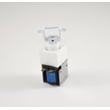
- Refrigerator water inlet valve 5221JB2006K if the dispenser or ice maker is not getting water.
Cooling problems can look like a “major failure” when the real cause is a door seal gap, warm air intrusion, or blocked circulation. Starting with the manual checks prevents unnecessary part replacement and helps protect food safety.
Last updated: February 2026