Error Codes


How long should a Whirlpool top load washer last?
A Whirlpool top load washer like model WTW8127LW1 should last 10 to 14 years with normal household use and basic maintenance. Heavy loads, frequent overloading, and poor leveling can shorten life by increasing wear on the drive system and suspension.
Most top load washers reach the 10 to 14 year range when the tub, motor, and controls are kept clean and the machine is not routinely overloaded.
- 10 to 14 years is a realistic service-life target
- Longer life is most common with lighter weekly usage and good installation
- Shorter life is most common with chronic overloading, unbalanced loads, or hard-water buildup
| Usage pattern | What we typically see | What helps most |
|---|---|---|
| Light (few loads/week) | Closer to 14 years | Keep it level, avoid detergent overuse |
| Average (most households) | 10 to 14 years | Monthly cleaning, balanced loads |
| Heavy (large family, bulky items often) | Closer to 10 years | Don’t overload, reduce vibration |
These habits reduce stress on key Whirlpool components like the lid lock, suspension, and drive parts.
- Keep the washer level; replace worn feet if it will not stay steady (see washer leveling leg WPW10687506)
- Avoid overloading; bulky loads should move freely in the basket
- Use the correct amount of HE detergent to prevent residue and odors
- Run periodic cleaning cycles and wipe the lid and top rim dry
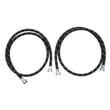
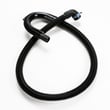
- Check hoses for bulges or leaks and replace as needed
If the washer is still within the expected lifespan but performance drops, common wear areas include the lid locking system and the drive/clutch components.
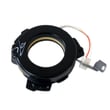
- Lid will not lock or unlock reliably: inspect the lid lock-sol W11700916
- Grinding, slipping, or weak spin: clutch/drive wear can be involved
- Excessive vibration: leveling, load balance, and suspension condition matter
Knowing the expected lifespan helps you decide whether to maintain and repair your WTW8127LW1 (often cost-effective in mid-life) or plan for replacement when multiple major components begin wearing out.
Last updated: January 2026
How do I know if my Whirlpool agitator is bad?
On the Whirlpool WTW8127LW1 washer, a “bad” agitator (or upper auger) usually shows up as weak or no rollover action, loud clicking/ratcheting, or the top section spinning freely both directions without grabbing clothes. If the wash performance dropped suddenly, the agitator’s internal drive dogs or splines are a common cause.
Unplug the washer before touching moving parts.
- Try rotating the upper portion by hand; it should “ratchet” one way and resist the other, not free-spin both ways.
- Watch a small load on a normal cycle; if the basket moves but clothes do not circulate, the agitator/auger may be slipping.
- Listen for repeated clicking during agitation; that often points to worn internal engagement teeth.
- Check for wobble or looseness at the agitator; looseness can indicate a stripped hub or a loose fastener.
- Look for plastic shavings under the washplate/agitator area after a cycle; that can indicate internal wear.
If the upper agitator is slipping, the most model-relevant replacement in our parts list is the upper auger component.
- Washer agitator auger W11614636
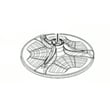
- If the washplate is loose, inspect the center fastener: washer washplate screw W10752187
| What you notice | What it often means | What to check next |
|---|---|---|
| Upper agitator spins freely both directions | Worn internal drive engagement (dogs/splines) | Inspect/replace upper auger |
| Clicking during agitation | Engagement teeth slipping | Upper auger fit and wear |
| Poor cleaning, clothes stay in a “donut” | Agitation action not transferring | Auger, washplate tightness |
| Agitator feels loose | Loose screw or stripped hub | Washplate screw, mounting surfaces |
A slipping agitator/auger reduces turnover, so detergent and water do not move through the load correctly. Fixing the engagement early helps prevent extra strain on the drive system and improves cleaning performance.
Last updated: January 2026
What is the most common problem with Whirlpool washers?
On Whirlpool washer model WTW8127LW1, the single most common complaint we hear is “won’t start” or “won’t lock,” where the control lights come on but the cycle won’t begin. The most frequent causes are lid-lock related, power/reset issues, or a control fault.
- Confirm the washer is plugged directly into a working outlet (avoid extension cords).
- Make sure the lid is fully closed and the load is not pushing up on the lid.
- Unplug the washer for 2 minutes, then plug it back in to reset the control.
- Try a different cycle; press and hold Start as directed on the console.
- If the lid does not lock, the washer will typically refuse to agitate or spin.
If your WTW8127LW1 won’t start and the lid never locks, these model-compatible parts are common suspects:
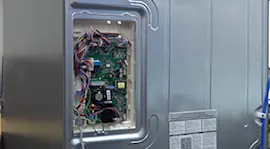
If the lid locks but the washer still won’t run, the issue can be in wiring, the user interface, or the main control. Those exact electronics vary by revision, so we recommend matching by model and symptom when selecting a replacement.
| What you notice | Most likely system | What to inspect first |
|---|---|---|
| Lights on, Start pressed, nothing happens | Lid lock not engaging | Lid strike alignment, lid lock latch action |
| Lid closes but never “clicks” locked | Lid lock system | Lid lock, strike, harness connections |
| Starts then stops quickly | Fault detected | Reset, then check for error codes |
| Intermittent start issues | Loose connection or failing control | Harness plugs, signs of corrosion |
A “won’t start” condition is often a safety lockout. If the lid cannot lock, WTW8127LW1 is designed to prevent agitation and spin to reduce the risk of injury and out-of-balance damage.
If your washer is displaying an error code, we use code charts to narrow the problem faster: Whirlpool cabrio top load washer error codes.
Last updated: January 2026