

Can a rear tine tiller cut through roots?
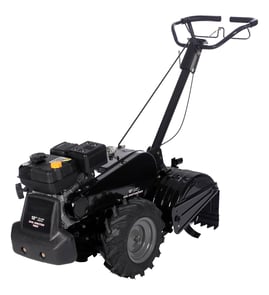
Yes. A rear-tine tiller like the Craftsman 247299771 (5-hp chain drive rear-tine tiller) can cut through small roots while tilling, especially in previously worked soil. For larger, woody roots, we recommend clearing them first to prevent tine, chain, or drive damage.
What it can handle (and what it should not)
Rear-tine tillers are built for tougher ground than front-tine models, but roots vary a lot by size and wood type.
- Works well: fibrous roots and small feeder roots (typical lawn and garden roots)
- Use caution: roots that repeatedly stop the tines or cause the tiller to hop
- Do not force: thick, woody roots; cut them with a saw, loppers, or a mattock first
- Stop immediately if you hear loud banging, see the tines stall, or smell hot friction
Best practices for tilling soil with roots
Use technique to reduce shock loads on the drivetrain and keep the till depth controlled.
- Make a shallow first pass (about 2 to 3 inches), then deepen gradually
- Till in short sections; back up and re-approach stubborn spots
- Keep engine speed steady; avoid ramming the tines into roots
- Remove rocks, wire, and debris before starting
- After the job, inspect for loose hardware and re-tighten as needed
Quick troubleshooting if roots keep stopping the tines
If the tiller struggles in rooty ground, check common wear points and fasteners.
| Symptom | Most common cause | What to do next |
|---|---|---|
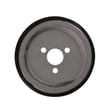
| Tines stop but engine runs | Drive slippage or worn friction surface | Inspect and replace the friction wheel 05080AP if worn or glazed |
| Jerky motion, rattling | Loose fasteners or missing retainers | Check for missing cotter pins and snap rings; replace as needed |
| Grinding or skipping under load | Chain or sprocket wear | Inspect chain drive components and replace worn parts |
Why it matters
Roots create sudden resistance that can shock the chain drive and wear friction components faster. Using shallow passes and replacing worn drive parts helps your Craftsman 247299771 till smoothly and prevents repeat breakdowns.
Last updated: February 2026
Where is the model number on a Craftsman rear tine tiller?
On a Craftsman rear-tine tiller like model 247299771, the model number is printed on the equipment ID label (a sticker or metal tag) attached to the tiller frame. It’s most often found near the tine shield/guard area or on the main frame close to the engine and fuel tank.
Common places to check on model 247299771
Look for a rectangular label with the model number and serial number. Check these spots first:
- On the tine shield (tine guard) behind or above the tines
- On the main frame rail near the engine mount
- Near the fuel tank area (on the frame, not on the tank itself)
- On the front of the tiller frame (especially on larger rear-tine designs)
- Near the handle support brackets where the handles bolt to the frame
What the label usually looks like
The ID label typically includes:
- Model number (example: 247299771)
- Serial number
- Sometimes an MTD-style product ID or manufacturing code
| What you see on the label | What to do with it |
|---|---|
| Model number (247299771) | Use it to match diagrams and order the correct Craftsman parts |
| Serial number | Helps identify production run details when comparing similar versions |
Quick tips to find it faster
- Wipe dirt and oil off the frame with a rag; labels are often hidden by soil buildup.
- Use a flashlight and check the inside faces of the frame rails.
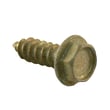
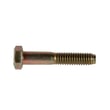
- If the label is damaged, compare your hardware and assemblies to the parts diagrams; common fasteners like the tap screw 710-1260a can help confirm you’re viewing the right section.
Why it matters
The model number is the key to getting the right parts for your 5-hp chain drive rear-tine tiller, especially for wear items and drive components where similar Craftsman tillers use different sizes.
Last updated: February 2026
What is the bar on the back of a tiller for?
On the Craftsman 247299771 rear-tine tiller, the bar at the back is the drag bar (also called a depth stake). We use it to control how deep the tines dig and to help stabilize the tiller so it does not lunge forward or “run away” in hard soil.
What the drag bar does
- Sets tilling depth by limiting how far the tines can pull the machine downward.
- Adds resistance so the tiller moves forward at a controlled pace.
- Helps keep the tiller level and reduces bouncing in rocky or packed ground.
- Improves trenching and row work by keeping depth more consistent.
How to adjust it (typical setup)
Most rear-tine tillers adjust the drag bar by moving it up or down in a slotted bracket and securing it with a pin.
- Shut the engine off and let all moving parts stop.
- Pull the locking pin and remove the clevis pin.
- Move the drag bar to the hole/slot position you want.
- Reinstall the clevis pin, then the locking pin.
- Test in a short pass and readjust until the tiller advances smoothly.
Quick adjustment guide
| Soil condition | Drag bar position | What you will notice |
|---|---|---|
| Hard, dry, compacted | Lower (more drag) | Slower forward travel, better bite |
| Average garden soil | Middle | Balanced depth and speed |
| Loose, previously tilled | Higher (less drag) | Faster travel, shallower cut |
Why it matters
Correct drag bar adjustment protects the drivetrain and tines by preventing excessive shock loads, and it gives you cleaner, more even tilling depth with less operator effort.
If your drag bar hardware is missing or loose, replace worn pins, washers, or fasteners so the setting stays locked in place (for example, a cotter pin 714-0115).
Last updated: February 2026
What are the common problems with lawn tillers?
Common problems on a Craftsman 247299771 5-hp chain drive rear-tine tiller include hard starting (fuel or ignition issues), rough running or low power, drive or tine engagement problems, and vibration-related loosening of hardware. Most fixes start with fresh fuel, a spark check, and a fastener inspection.
Most common symptoms and likely causes
- Won’t start or starts then dies: stale fuel, clogged fuel line/filter, dirty carburetor, fouled spark plug
- Runs rough or lacks power: restricted fuel flow, dirty air filter, spark plug wear, throttle/governor linkage issues
- Drive slips or tines won’t engage: worn friction drive parts, loose/broken linkage, drive wear
- Excessive vibration or rattling: loose fasteners, missing washers, worn hardware
- Controls feel loose: worn grip, loose handle hardware
Quick checks we recommend (in order)
- Drain old gasoline and refill with fresh fuel.
- Inspect the spark plug; clean or replace if fouled.
- Check the air filter; clean or replace if dirty.
- Tighten and replace missing hardware on the handle, tine shield, and covers.
- If the unit moves but tines do not (or vice versa), inspect the drive engagement and wear points.
Parts that commonly get replaced on this model
These examples match parts listed for model 247299771 and often help with common complaints:
| Problem you see | Part type that often fixes it | Example from this model’s parts list |
|---|---|---|
| Drive slips or won’t engage | Friction drive component | Friction wheel 05080AP |
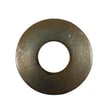
| Rattling, loose guards/handles | Washers/fasteners | Lock washer 736-0119 |
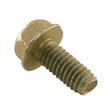
| Handle/control hardware loosens | Screws/fasteners | Tap screw 710-1260a |
Why it matters
Fuel and ignition issues cause stalling and hard starting, while a slipping drive accelerates wear. Keeping hardware tight reduces vibration damage and helps the tiller track straight and engage consistently.
Last updated: February 2026
How often should I change the oil in my tiller?
For the Craftsman 247299771 5-hp chain drive rear-tine tiller, change the engine oil after the first 5 hours on a new or newly serviced engine, then every 25 hours of operation or at least once per season (once a year), whichever comes first.
A simple oil-change schedule
Use this schedule to stay ahead of wear on a hard-working rear-tine tiller:
- First-time break-in: change oil after 5 hours
- Routine use: change oil every 25 hours
- Seasonal minimum: change oil once per season even with low hours
- Anytime oil is contaminated: change it immediately
Quick checks before you drain the oil
- Park on level ground; shut the engine off and let it cool.
- Clean dirt from around the oil fill and drain areas so debris does not enter.
- Check the oil level before and after the change.
- Refill with the oil type recommended for your engine and local temperatures.
What the oil condition tells you
| Dipstick appearance | What it indicates | Action |
|---|---|---|
| Light amber to medium brown | Normal use | Follow the hour schedule |
| Very dark or smells burnt | Overdue change or high heat | Change oil now |
| Milky or foamy | Moisture contamination | Change oil; run to full operating temp |
| Metallic sparkle | Abnormal wear | Stop using; inspect before running |
Why it matters
A rear-tine tiller runs under steady load; fresh oil protects internal engine parts, reduces heat, and helps prevent hard starting and premature wear.
Parts you might replace during maintenance
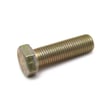
If you find missing or stripped hardware while servicing the tiller, common replacements include the mtd lawn tractor screw 710-0599.
Last updated: February 2026