



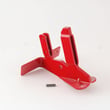
Can a rear tine tiller cut through roots?
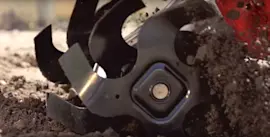
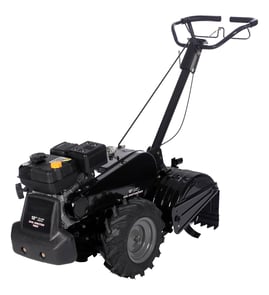
Yes. A Troybilt rear-tine tiller like model 15008 can cut through small roots while tilling, and it is a strong choice for breaking new ground. For larger, woody roots, we recommend clearing them first to prevent tine, belt, and gearbox damage; see rear tine tiller troubleshooting tips wheels and tines.
What to expect when tilling around roots
Rear-tine tillers have the traction and tine torque to chew through light root growth, but they are not stump grinders.
- Small feeder roots: typically cut and mixed into soil during normal passes
- Thicker roots: can stop the tines, cause bouncing, or pull the tiller off line
- Hidden roots: can bend or chip tines and overload the drive system
- Rocky, rooty soil: requires slower ground speed and shallower depth settings
Best practices (protects the tines and drive)
- Make a shallow first pass, then deepen in steps
- If the tiller starts hopping, raise the depth bar and slow down
- Remove exposed roots with loppers or a mattock before tilling
- Keep tines sharp and replace worn sets; worn tines increase vibration and strain
- If the tines stop turning under load, inspect the drive belt and clutch linkage
Quick depth strategy
| Soil condition | First pass depth | Follow-up passes |
|---|---|---|
| New ground with roots | 1 to 2 in. | Increase 1 to 2 in. per pass |
| Established garden bed | 2 to 4 in. | One additional pass if needed |
| Heavy clay with roots | 1 in. | Multiple shallow passes |
Why it matters
Roots can act like a sudden brake. That shock load is what commonly leads to premature wear on the tine set and the drive components (especially the belt). If you notice slipping or burning rubber smell, check the troy-bilt belt listed for model 15008.
Last updated: February 2026
Is the Troy Bilt 15008 a good tiller?
Yes. The Troy-Bilt 15008 rear-tine tiller is a strong choice for gardeners who want easier soil breaking and better traction than a front-tine unit, especially in larger plots. Overall performance depends most on tine condition, belt grip, and drivetrain wear.
What “good” means for a rear-tine tiller
A rear-tine tiller like the Troy-Bilt 15008 is considered good when it:
- Pulls forward steadily without excessive pushing
- Breaks soil consistently without bouncing or skipping
- Keeps the tines turning under load (no slipping)
- Holds a predictable tilling depth using the depth bar
- Shifts and engages drive smoothly
Quick checks that tell you if yours is performing like it should
These are the most common make-or-break items on a working rear-tine tiller:
- Tines: rounded, bent, or missing edges reduce bite and make the machine feel “weak”
- Drive belt: glazing or stretching causes slipping under load
- Depth setting: an incorrect depth bar position can make tilling feel unstable or too shallow
- Gears and engagement: grinding noises or intermittent drive points to gear or clutch issues
If you need a step-by-step overview for tine wear and replacement, use how to replace the tines on a rear tine tiller.
Common “good tiller” use cases (and what to expect)
| Use case | What a good 15008 should do | What usually needs attention if it struggles |
|---|---|---|
| New garden bed | Break sod in passes | Tines, depth setting |
| Seasonal soil prep | Maintain loose soil quickly | Belt tension, tine sharpness |
| Heavier soil | Keep tines turning without stalling | Belt, clutch, gear wear |
| Row work | Track straight and hold depth | Depth bar, handle adjustment |
Why it matters
A rear-tine tiller can feel “bad” even when the engine runs fine if the tines are worn or the drive belt slips. Keeping wear parts fresh is what preserves the power, control, and time savings people buy a rear-tine tiller for.
Last updated: February 2026
What is a troy bilt 15008 worth?
A Troy-Bilt 15008 rear-tine tiller is typically worth a few hundred to a couple thousand dollars on the used market, mainly based on running condition, tine/drive performance, and whether key attachments are included. A clean, fully working unit with good tines and a solid drive system commands the most.
Quick value ranges (what most buyers pay)
Use these ranges as a practical starting point for a Troy-Bilt 15008:
- $200 to $600: Non-running, missing parts, heavy wear, or needs major drivetrain work
- $600 to $1,200: Runs and tills, but shows wear (belt slip, worn tines, minor leaks)
- $1,200 to $2,500: Strong running, good cosmetics, recently serviced, tills cleanly under load
- Add $100 to $400+: If useful attachments are included (furrower, hiller, depth bar, etc.)
What to check before you price it
A rear-tine tiller’s value is mostly about how well it moves and digs. We recommend checking:
- Engine starts easily cold and hot; no excessive smoke
- Wheels pull consistently in gear; no grinding noises
- Tines spin strongly under load; no slipping or stalling
- Belt condition and tension (a worn drive belt can make a good tiller feel “weak”)
- Tines are not rounded off or bent
- Attachments and controls are complete and functional
Common parts that affect value
If these are worn, the tiller is still sellable, but the price usually drops:
| Item | What wear looks like | Typical impact on value |
|---|---|---|
| Drive belt | Slipping, squeal, poor tine engagement | Medium to high |
| Tines | Rounded tips, uneven tilling | Medium |
| Gears/drive | Clicking, grinding, no pull | High |
| Attachments | Missing furrower/hiller/depth bar | Medium |
If you’re refreshing the machine before selling, a new belt and sharp tines often make the biggest difference. For example, the [troy-bilt belt] and [troy-bilt tine] are common wear items.
Why it matters
Two Troy-Bilt 15008 tillers can look similar but price very differently. Buyers pay for a tiller that tills smoothly in soil, not just one that idles in the driveway. A quick tune-up and fixing obvious drive or tine issues can move the value up a full pricing tier.
Helpful DIY guidance
If you’re evaluating or repairing drive and tine performance, our DIY content can help you pinpoint what’s limiting value:
- Rear tine tiller troubleshooting tips wheels and tines
- How to replace a tiller drive belt
- How to replace the tines on a rear tine tiller
Last updated: February 2026
How to identify old troy bilt tiller?
To identify an older Troy-Bilt tiller, we use the tiller’s model number and serial number from the ID tag, decal, or cast-in transmission markings. For Troy-Bilt model 15008, confirm the model/serial information first, then match what you find to the parts breakdown for that exact model.
Where to look for the model and serial number
Older tillers commonly place identification in a few repeat locations. Check these areas in order:
- Transmission housing (cast-in or stamped numbers)
- Frame rails near the engine mount
- Handlebar support area (plate or decal)
- Tine hood/shield area (decal on many later units)
- Engine shroud (engine model helps for engine parts, but it is not the tiller model)
How we confirm it’s the right model
Use this checklist after you locate the tag or markings:
- Model number reads 15008 (exact match)
- Serial number is recorded (helps narrow production run)
- Major assemblies match the diagrams (tines, belt drive, transmission layout)
- Attachment mounting points match what the parts list shows
Quick comparison table
| What you find | What it means | Best next step |
|---|---|---|
| Model tag shows 15008 | Exact tiller model identified | Use the 15008 parts list to choose parts |
| Serial present, model missing | You can still narrow the unit | Match key assemblies and hardware |
| Only engine numbers readable | Engine identified, not the tiller | Use engine info for engine parts; use frame/transmission for tiller ID |
Parts that can help “fingerprint” the platform
If the tag is missing or unreadable, comparing a few visible, commonly replaced items helps confirm the correct platform:
- Troy-bilt belt 954-04094 (drive system style and routing)
- Troy-bilt depth bar 1900864 (depth stake design and mounting)
- Troy-bilt furrower bld 1900771001 (attachment fitment)
Why it matters
Tiller models often have mid-run changes to belts, tines, and transmission components. Identifying the correct model and serial number prevents ordering the wrong parts and reduces rework during repair.
For rear-tine troubleshooting and identification tips, use: rear tine tiller troubleshooting tips wheels and tines.
Last updated: February 2026