Owner’s manual
 View engine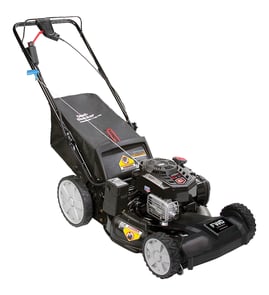


How powerful is a 140cc lawn mower?
A 140cc walk-behind mower engine is a solid, mid-range size for typical home lawns; it has enough torque to cut most grass conditions with a sharp blade and proper mowing speed. For your Ariens A149K21, engine speed is factory-set for optimum performance (not adjustable); focus on maintenance for best cutting power (see the A149K21 owner's manual).
What “140cc” means (and what it does not)
Engine displacement (cc) is the cylinder volume. It helps compare engine size, but it is not a direct horsepower rating.
- Higher cc usually means more torque under load (thick or tall grass)
- Power at the blade also depends on blade sharpness and deck airflow
- Engine RPM is set at the factory; don’t change governor settings
- Wet grass and heavy buildup under the deck can make any engine feel weak
What a 140cc mower is typically good for
Most 140cc-class push mowers handle routine mowing well when the lawn is maintained.
| Lawn condition | Typical 140cc performance | What helps most |
|---|---|---|
| Regular weekly mowing | Strong | Sharp blade, correct height |
| Taller or thicker grass | Moderate | Slower pace, raise cut height |
| Wet or overgrown grass | Struggles more | Mow when dry, clean deck |
| Bagging heavy clippings | Moderate | Empty bag often, sharpen blade |
Quick ways to get more “real-world” cutting power
These steps improve cut quality and reduce bogging without changing engine settings.
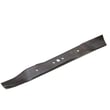
- Sharpen and balance the blade; replace if bent or cracked (use how to sharpen a lawn mower blade)
- Keep the discharge area clear; a damaged guard can restrict flow (check discharge guard 589482402)
- Clean grass buildup from the underside of the deck after mowing
- Use fresh unleaded regular gas; old fuel causes power loss and hard starting
- Change oil on schedule; the manual calls out regular oil checks and periodic changes
Why it matters
A 140cc mower usually feels “underpowered” because of drag (dull blade, clogged deck, wet grass) or engine tune issues (old fuel, dirty air filter, overdue oil). Keeping the mower maintained preserves torque and protects the engine.
Last updated: February 2026
What are common self-propelled mower problems?
Common self-propelled problems on the Ariens A149K21 are loss of drive (mower will not pull itself), slipping or surging drive, and hard pushing. We treat abnormal vibration as a warning sign and stop the engine to check the cause; many drive complaints trace back to worn drive components or a dragging blade/deck condition (see the A149K21 owner's manual).
Most common symptoms and likely causes
- Mower will not move under power: drive clutch not fully engaged, worn drive belt, worn transmission/drive components
- Self-propelled works intermittently: stretched belt, loose linkage/cable, debris buildup affecting engagement
- Hard to push: cutting height too low, grass buildup under the deck, handle height not comfortable
- Excessive vibration: bent/loose blade, damaged blade adapter, bent crankshaft (stop and inspect)
- Starter rope hard to pull after hitting something: blade dragging in grass, blade adapter damage
Quick checks we recommend (safe, fast)
- Shut the engine off and wait for the blade to stop before inspecting or clearing the chute.
- Check for grass and debris buildup under the mower housing; buildup can make the mower feel like the drive is failing.
- Verify cutting height; too low can cause dragging and poor drive performance.
- Inspect the blade mounting for looseness or damage; a damaged adapter can cause vibration and drive complaints.
Parts that commonly get involved
These parts are often related when the mower is hard to push, has discharge issues, or has damage around the deck opening:
| Symptom | What to inspect | Example part for this model |
|---|---|---|
| Discharge door not closing or flopping | Spring tension and door movement | Lawn mower discharge chute door spring, right 532405423 |
| Side discharge area damaged or unsafe | Guard condition and mounting | Discharge guard 589482402 |
| Rear opening area dragging or damaged | Rear skirt condition | Lawn mower rear skirt 532416860 |
Why it matters
A self-propelled mower that slips or will not drive is often telling you something is dragging, loose, or worn. Fixing deck buildup, cutting height, or blade mounting issues first prevents repeat failures and helps the drive system last longer.
Helpful DIY guidance
Last updated: February 2026
What are the parts of a lawn mower engine?
On the Ariens A149K21 walk-behind mower, the engine system is made up of fuel, air, ignition, and rotating internal components that work together to start, run at a set speed, and spin the blade. Our A149K21 owner's manual shows the key engine-area items and operating controls.
Main lawn mower engine parts (what they do)
- Fuel tank and cap: stores gasoline (this model uses unleaded regular fuel).
- Carburetor: mixes fuel and air for combustion.
- Air filter: cleans intake air to protect the engine.
- Spark plug and ignition coil: create spark to ignite the fuel-air mixture.
- Flywheel: helps keep the engine running smoothly and supports ignition timing.
- Recoil starter (starter handle and rope): spins the engine fast enough to start.
- Crankcase and oil fill/dipstick: holds internal parts and engine oil.
Engine-related controls you will see on this mower
These are not internal engine parts, but they directly control engine operation:
- Operator presence control bar: must be held to keep the engine running.
- Choke / fast / slow markings (as equipped): help with starting and warm-up.
- Starter handle: used to pull-start the engine.
Quick “what’s where” reference
| System | Common parts | What to check first when there’s a problem |
|---|---|---|
| Fuel | fuel tank, carburetor | fresh gas, open vented cap, clean carburetor |
| Air | air filter | dirty or oil-soaked filter |
| Ignition | spark plug, ignition coil, flywheel | plug condition and correct gap |
| Starting | recoil starter | rope retracts smoothly, no binding |
Why it matters
Knowing which part belongs to which system speeds up troubleshooting. For example, a no-start is usually fuel, air, or spark; a hard-pull starter points to the recoil starter or a blade/shaft obstruction.
Helpful DIY reading
If you are servicing the blade area while diagnosing engine issues, use lawn mower blade removal tool for safer removal steps.
Last updated: February 2026
What is the warranty on the Ariens mower?
For the Ariens A149K21 walk-behind mower, warranty coverage depends on whether the mower is used for residential or commercial (including rental) use; the warranty also excludes normal-wear items like belts and blades. For the exact terms that apply to your mower, use the warranty section in the A149K21 owner's manual.
What the manual says about coverage
The warranty language in the manual focuses on how the mower is used and maintained:
- Commercial or rental use is limited to 45 days from the original purchase date.
- Coverage applies only when the mower is properly assembled, adjusted, operated, and maintained as instructed.
- The warranty does not cover damage from misuse, abuse, improper assembly/installation, delivery damage, or normal wear.
- Common wear items are excluded, including belts, blades, blade adapters, standard hardware, and normal adjustments.
Quick warranty snapshot (based on the manual)
| Use type | Typical warranty limit mentioned | Notes |
|---|---|---|
| Residential use | Varies by product and purchase details | Confirm the exact term in the manual and your purchase paperwork |
| Commercial or rental use | 45 days | Starts on the original purchase date |
| Wear items (belts, blades, adapters) | Not covered | Consider these maintenance items |
Why it matters
Warranty decisions often come down to two things: how the mower was used (residential vs. commercial/rental) and whether maintenance was done on schedule. Following the maintenance guidance in the manual helps prevent avoidable failures and supports a smoother warranty claim if you ever need service.
Last updated: February 2026