Owner’s manual
 Error Codes




How can you tell if your garage door sensors are bad?
On the Craftsman 13953971SRT, the safety reversing sensors are the first thing to check when the door opens normally but will not close, or when the opener lights flash during a close attempt. Most “bad sensor” symptoms are caused by misalignment, blockage, or sunlight; confirm using the owner's manual test steps.
Quick signs the sensors are involved
- Door starts down, then stops and reverses.
- Opener lights flash during a failed close (often 10 flashes when the beam is interrupted).
- One or both sensor indicator lights are off or flickering.
- Door closes only if you hold the wall control button continuously (remote will not close it).
Checks that rule out a “false bad sensor”
- Beam blocked: remove boxes, cobwebs, or debris crossing the sensor line.
- Dirty lenses: wipe both lenses with a soft, dry cloth.
- Misalignment: adjust brackets until both indicator lights stay steadily lit.
- Mounting height: sensors must face each other and be installed no higher than 6 inches above the floor.
- Sunlight: keep direct sun off the receiving eye; a shield helps (see installing a sensor sun shield on your garage door opener video).
Fast obstruction test
- Open the door.
- Place a box (like the opener carton) in the door path.
- Press the remote to close.
Expected result: the door should not move more than about an inch; the opener light should flash.
Indicator lights: what they usually mean
| What you see | What it points to | What to do first |
|---|---|---|
| Orange on, green off | Misalignment or blocked beam | Clear beam, align sensors |
| Both off | Power or wiring issue | Check sensor wiring connections |
| Both on steady | Sensors aligned | Check force/travel settings |
Why it matters
These sensors stop and reverse the door if the beam is broken, helping prevent injury and damage during closing.
Last updated: February 2026
How do I know what model my garage door opener is?
Your Craftsman garage door opener’s model number is printed on the opener’s ID label, typically on the motor unit under a light lens or cover. Once you find that label, match the model number exactly (for example, 13953971SRT) when looking up parts and instructions in the owner's manual.
Where to look for the model number label
Check these common spots on the opener’s motor unit (the power head mounted to the ceiling):
- Under the light lens or light cover (many units)
- Behind the front cover or a small access panel (some designs)
- On the side of the motor housing near the wiring terminals
- On the back of the motor unit near the hanging brackets
- Near the learn/program button area (sometimes adjacent to the logic board cover)
What to write down (and why)
Record the full model number and any additional ID information you see on the label.
| What you find | Example | Why it matters |
|---|---|---|
| Model number | 13953971SRT | Ensures the correct parts list and repair steps for your exact opener |
| Series/family | 139.539xxSRT | Helps confirm you are in the right manual group |
| Date/serial info (if shown) | Varies | Useful for matching compatible remotes and control consoles |
Quick tips to avoid mix-ups
- Copy the model number character-for-character (including letters like SRT)
- Don’t use the garage door brand; use the opener’s model label on the motor unit
- If your manual covers multiple models, confirm your exact model is listed on the front pages
Why it matters
Garage door opener parts (like the safety reversing sensors, wall control console, and remote controls) can look similar across Craftsman models but connect and program differently. Using the exact model number helps prevent ordering the wrong part and speeds up troubleshooting.
Last updated: February 2026
Is it worth repairing a 20 year old garage door opener?
For a 20-year-old Craftsman garage door opener like model 13953971SRT, replacement is usually the better investment. Most openers are built for about 10 to 15 years of typical use, so at 20 years old you are often paying for repairs on a unit that is already beyond its expected service life.
When repair still makes sense
A repair is worth doing when the fix is small, the door is in good shape, and the opener is otherwise operating normally.
Common “worth it” situations:
- The opener just stopped due to a tripped breaker or a switched outlet
- The motor overheated from repeated cycles and needs a cool-down period
- The door is frozen to the floor (ice or snow) and needs the obstruction cleared
- The wall control wiring has a loose connection or a staple short
- The Lock feature is enabled and remotes appear “dead”
Model-specific tip: the 13953971SRT manual includes a “Having a Problem?” checklist that walks through power, wiring, lockout, and overload protector checks; see the owner's manual.
When replacement is the smarter choice
If the problem is major, you typically spend close to the cost of a newer opener, then still have an older motor unit, older electronics, and more wear in the drive system.
Replace instead of repair when you see:
- Intermittent operation that keeps returning after adjustments
- A failing motor or repeated overload trips under normal use
- Travel and force settings that will not stay consistent
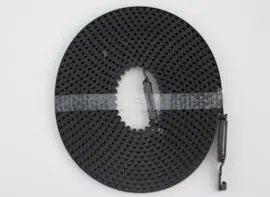
- Excessive noise, grinding, or slipping in the drive system
- Safety reversing sensor issues that you cannot correct with alignment and wiring checks
Quick decision guide
| What you’re facing | Best move | Why |
|---|---|---|
| Power, lock, wiring, or reset issue | Repair/troubleshoot | Low cost, fast fix |
| Force/travel needs adjustment | Repair/adjust | Normal maintenance item |
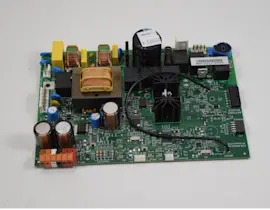
| Motor or logic board failure | Replace | High cost, age-related failure |
| Safety reversal problems that persist | Replace (or pro service) | Safety-critical function |
Why it matters (safety and reliability)
Your opener’s safety reversal system and safety reversing sensors must work correctly. The manual calls for monthly testing of the safety reversal system (door must reverse on a 1-inch object or a 2x4 laid flat). If an older opener cannot be adjusted to pass these tests consistently, replacement is the practical path.
Helpful troubleshooting resources
If you want to confirm what the opener is “telling” you before deciding, use:
Last updated: February 2026
What are the common problems with Craftsman garage door openers?
Common problems with the Craftsman 13953971SRT garage door opener include power or wiring issues, remote or wall control problems, safety sensor misalignment, travel or force settings that need adjustment, and worn drive components that cause noise or jerky operation. Our owner's manual troubleshooting section walks through the most frequent symptoms.
Most common issues we see
- Opener has no power (tripped breaker, blown fuse, switched outlet)
- Door control (wall button) does not work but the remote does (or vice versa)
- Remote has short range (antenna position, metal door or insulation interference)
- Door reverses and the opener light blinks (safety reversing sensors blocked or misaligned)
- Motor overheats or stops after repeated cycles (overload protector trips; wait about 15 minutes)
- Door will not open fully or strains (door out of balance, broken springs, binding door)
- Door moves on its own (stuck remote button, shorted wall-control wiring, memory needs reprogramming)
Quick checks that solve many calls
- Confirm power: Plug a lamp into the opener outlet; reset the breaker if needed.
- Check door locks and door condition: Disable any manual locks; clear ice or debris under the door.
- Inspect safety sensors: Remove obstructions; align the sending and receiving eyes.
- Test the door balance: Pull the emergency release and move the door by hand; it should stay at mid-travel.
- Check wall-control wiring: If the wall control is dead, inspect for staples pinching the bell wire or a loose terminal connection.
Symptom-to-cause guide
| Symptom | Most likely cause | What to do first |
|---|---|---|
| No operation from wall control or remote | No power, tripped overload | Verify outlet power; wait 15 minutes if overheated |
| Works from remote, not wall control | Faulty wall control or shorted bell wire | Short red/white terminals briefly to test wiring |
| Reverses and light blinks | Safety sensor issue | Clear/align sensors and retest |
| Motor hums briefly, then stops | Locked door, spring issue, drive timing issue | Disable lock; check door moves freely by hand |
Why it matters
Most “opener problems” are actually door, sensor, or wiring issues. Fixing the root cause protects the motor, prevents nuisance reversing, and keeps the safety reverse system working correctly.
Last updated: February 2026