Owner’s manual
 Error Codes


What is the most common problem with Samsung refrigerators?
The most common problems we see on Samsung refrigerators like model RF323TEDBSR are cooling issues and ice maker troubles. These usually trace back to airflow problems (evaporator fan), frost buildup from a defrost-system issue, or a sensor/control problem that causes warm temperatures or inconsistent ice production.
Most common symptoms customers notice
- Fresh food section warms up but the freezer seems OK
- Ice maker stops making ice or makes small, hollow cubes
- Frost or ice buildup on the back wall inside the refrigerator
- Water leaking or puddles (often tied to a clogged defrost drain)
- Unusual fan noise, especially after the door closes
What typically causes those problems
On this style of Samsung bottom-mount refrigerator, the most frequent root causes fall into a few buckets:
| Problem area | What it affects | Common related parts for RF323TEDBSR |
|---|---|---|
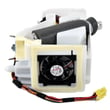
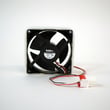
| Airflow (evaporator fan) | Moves cold air into the compartments | Refrigerator ice maker evaporator fan da97-12540g |
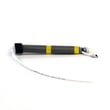
| Defrost system | Prevents frost from choking airflow | Refrigerator defrost heater DA47-00244U, refrigerator protector da47-00243k |
| Temperature sensing | Tells the control how long to run cooling/defrost | Refrigerator temperature sensor DA32-10104N |
| Drain system | Routes defrost water to the drain pan | Refrigerator drain tube kit DA97-04049E |
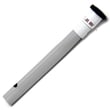
| Ice maker system | Ice production and dispensing | Samsung refrigerator ice maker assembly DA97-07603B |
Quick checks we recommend before replacing parts
- Confirm the temperature settings are correct and the doors seal tightly.
- Look for frost buildup on the rear interior panel (a strong clue of a defrost or airflow issue).
- Listen for the evaporator fan; a stalled or noisy fan often points to airflow restriction or a failing fan.
- Check for water under crisper drawers or under the unit (often a drain restriction).
- If ice is the issue, verify the water filter is not overdue; replace if needed and reset the filter indicator per the owner's manual.
Why it matters
Cooling and ice maker complaints are often connected. When frost builds up on the evaporator, airflow drops, temperatures rise, and the ice maker can slow down or stop. Fixing the underlying airflow or defrost problem prevents repeat failures and food spoilage.
Last updated: February 2026
What's the lifespan of a bottom freezer fridge?
Most bottom-freezer refrigerators, including the Samsung RF323TEDBSR, typically last 15 to 20 years with normal household use and basic maintenance (cleaning coils, keeping doors sealed, and changing filters on schedule). For model-specific care and settings, use the owner's manual.
Typical lifespan and what affects it
A bottom-mount (bottom-freezer) refrigerator often runs longer when airflow and temperatures stay stable.
Common factors that shorten lifespan:
- Dirty condenser coils causing longer compressor run time
- Worn or leaking door gaskets letting warm air in
- Ice maker or defrost issues leading to frost buildup and poor cooling
- Skipped water filter changes restricting water flow
- Overpacked compartments blocking vents
What “end of life” usually looks like
These symptoms often show up in the last few years of service life:
- Fridge warms up while freezer stays cold (or the reverse)
- Loud fan noise, intermittent cooling, or frequent temperature swings
- Water under the crisper or freezer drawer from drain issues
- Ice maker stops producing consistently
Quick check: repair vs. replace
| What you’re seeing | Most common cause | Typical next step |
|---|---|---|
| Warm temps, heavy frost | Defrost system problem | Diagnose heater/thermostat, clear ice |
| Water puddles | Clogged/iced drain | Clear drain, consider drain kit |
| Poor ice production | Filter, ice maker, airflow | Replace filter, inspect ice maker |
| Runs constantly | Dirty coils, gasket leak | Clean coils, check gasket seal |
Maintenance that helps you reach 15 to 20 years
These habits prevent the most common wear items from overworking:
- Vacuum condenser coils every 6 to 12 months
- Keep door seals clean; close doors firmly every time
- Leave space around vents inside the fresh food and freezer sections
- Replace the water filter about every 6 months (or sooner with heavy use)
- Keep freezer drawers sliding smoothly so the door closes fully
Why it matters
A bottom-freezer design depends on steady airflow between compartments; when coils, fans, gaskets, or filters are neglected, the compressor and defrost system work harder. That extra run time is what most often reduces overall refrigerator lifespan.
Last updated: February 2026
How do I find the model number on my RF323TEDBSR?
Your Samsung refrigerator’s model number is printed on the appliance ID label; on RF323TEDBSR units it’s typically inside the fresh food compartment where it’s easy to read with the doors open. Use the full model and any suffix when ordering parts or checking diagrams.
Where to look on the refrigerator
Check these common ID-label locations first:
- Inside the refrigerator section on a side wall (often the left wall)
- On the ceiling of the fresh food compartment near the front
- On the frame around the fresh food opening (near the door gasket)
- Behind the crisper drawers (less common)
- On the back exterior panel (if you do not see it inside)
What to write down (so parts match)
For the best parts match, record all of the information exactly as shown:
- Full model number (example: RF323TEDBSR)
- Version or suffix after a slash or dash (example: /AA-04)
- Serial number (helpful for production changes)
- Any revision code on the label
Quick check: model vs. serial
| Item | What it tells you | Used for |
|---|---|---|
| Model number | The design family and configuration | Selecting correct parts diagrams and assemblies |
| Serial number | The specific unit and build run | Confirming production variations |
Why it matters
Samsung refrigerators can use different parts across revisions; entering the complete model (including /AA-04 when present) helps ensure items like a refrigerator water filter, ice maker assembly, or door gasket fit correctly.
For label examples and model identification details, follow the guidance in the owner's manual.
Last updated: March 2026