Installation guide
 Owner’s manual


What brand of dryer has the least problems?
No single dryer brand is “best” for everyone, but reliability rankings commonly place Whirlpool and LG among the lowest service-rate brands, with GE and Maytag often a bit higher. If you already own a GE GFDN240EL1WW electric dryer, correct installation and airflow do more to prevent problems than brand alone.
What to use when comparing dryer brands
We recommend comparing brands using the same criteria you will live with day to day:
- Service rate (repairs per units sold), not just star ratings
- Parts availability and cost (belt, idler pulley, heating element, thermostats)
- Vent requirements and airflow tolerance (long vents cause heat and drying issues)
- Warranty and local service coverage
- Feature complexity (more electronics can mean more failure points)
Typical reliability snapshot (example)
The numbers below are an example of a commonly cited service-rate style comparison; use it as a starting point, then weigh features and service access in your area.
| Brand | Example service-rate style ranking (lower is better) | What it means in practice |
|---|---|---|
| Whirlpool | 0.4% | Often strong baseline reliability |
| LG | 2.0% | Often reliable, feature-rich |
| GE | 5.2% | Solid overall, depends on model and install |
| Maytag | 6.0% | Often durable, varies by series |
Why installation matters more than most people think
For vented electric dryers like the GE GFDN240EL1WW, restricted exhaust airflow is a top driver of long dry times, overheating, and repeated thermal cutoffs. GE installation guidance calls for 4-inch metal ducting, avoiding plastic flex duct, and keeping the vent length within the specified limits; flexible metal duct (if used) should be UL-listed and typically kept short. For the exact venting rules and layouts, follow the GFDN240EL1WW installation guide.
Quick reliability wins you can do now
- Clean the lint screen every load
- Inspect and clean the vent path regularly (dryer outlet to exterior hood)
- Use rigid metal duct when possible; avoid crushed or kinked ducting
- Do not exceed recommended vent length and elbows
- If the drum squeals or thumps, check wear items like the belt and idler
If you are choosing between brands
We suggest narrowing to 2 to 3 brands, then comparing:
- Total cost of ownership (purchase price + common repairs)
- Noise and drying performance
- Ease of maintenance (lint filter access, vent access)
For model-specific operating tips and care guidance, use the GFDN240EL1WW owner’s manual.
Last updated: January 2026
What is the lifespan of a GE dryer?
A GE electric dryer like model GFDN240EL1WW typically lasts 10 to 15 years with normal household use and basic care. Consistent airflow maintenance (lint screen and venting) is the biggest factor in reaching the high end of that range.
What affects dryer lifespan the most
- Vent airflow and duct length: Long or restricted venting increases dry time, energy use, and wear.
- Lint buildup: Lint in the lint screen housing, blower area, or ducting raises heat stress.
- Overloading: Heavy loads strain the drive system (belt, idler, drum supports).
- Heat system cycling: Frequent overheating can shorten the life of thermostats and the heating element.
- Installation quality: Proper 4-inch metal ducting and correct exhaust setup help the dryer run cooler and more efficiently (see the GFDN240EL1WW installation guide).
Quick maintenance checklist (5 minutes that pays off)
- Clean the lint screen every load.
- Inspect and clean the vent run to the outside at least yearly.
- Keep the dryer area above 50°F for reliable control operation.
- Use rigid metal 4-inch duct where possible; avoid crushed or kinked transition duct.
- Stop using the dryer if you notice burning smells, repeated shutdowns, or very long dry times; correct airflow first.
Common “wear items” that can limit lifespan
| Symptom | Likely wear area | Example part for GFDN240EL1WW |
|---|---|---|
| Squealing, thumping, drum not turning smoothly | Drum support or belt drive | Dryer drum belt WE03X29897 |
| Dryer runs but clothes take too long to dry | Airflow restriction or heat control issue | Check venting first; then heat components |
| No heat (drum turns) | Heating circuit | Dryer heating element WE11M10001 |
Why it matters
A dryer that is forced to run hot or run longer than normal wears out the motor, belt, drum supports, and heat controls faster. Good venting and routine cleaning reduce heat stress and help your GE dryer reach its full service life (see the GFDN240EL1WW owner’s manual).
Last updated: January 2026
What is the most common problem with a GE dryer?
On the GE GFDN240EL1WW electric dryer, the most common issue we see is no heat or weak heat, which often traces back to the heating circuit (especially the heating element). When the dryer tumbles but clothes stay damp, heat-related parts are the first place to check.
Quick checks before replacing parts
- Confirm the dryer is on a 240V supply (a tripped breaker can leave the dryer running on 120V and not heating).
- Clean the lint screen and check airflow at the outside vent hood.
- Inspect the vent path for crushed, kinked, or clogged ducting.
- Avoid flexible plastic venting; use UL-listed metal transition ducting.
- If drying times are long, verify the exhaust duct is 4 inches in diameter and not longer than recommended.
Parts that commonly cause “runs but won’t heat”
If power and airflow are good, these parts are common suspects on electric dryers:
| Symptom | Most likely area | Example part for this model |
|---|---|---|
| Tumbles, no heat | Heating circuit | Dryer heating element WE11M10001 |
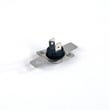
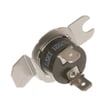
| Overheats or shuts heat off | Thermostats/temperature sensing | Dryer high-limit thermostat WE4M137 |
| Heat is inconsistent | Temperature sensing/control | Inlet control WE4M398 |
Why venting matters (a lot)
Restricted exhaust airflow is one of the biggest reasons dryers stop heating properly or take too long to dry. Long or restricted venting increases drying time and energy use, can shorten dryer life, and allows lint to build up in the duct.
Helpful references for this model
- Use the GFDN240EL1WW installation guide to confirm proper 4-inch venting, approved duct materials, and safe exhaust setup.
- If your dryer displays a code, check GE gfd model series error codes to narrow the problem to a specific circuit or component.
Last updated: January 2026