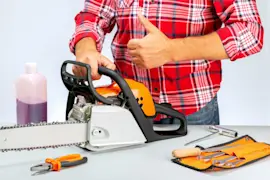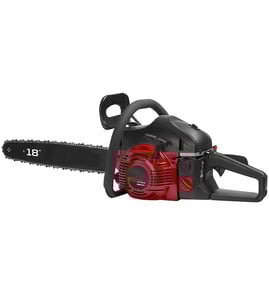

How to look up chainsaw serial number?
For Craftsman chainsaw model 358351200, the serial number is typically stamped or printed on the engine/motor housing (often on a flat spot near the muffler area) or on the crankcase. Once you find it, record it exactly as shown so you can match the correct parts and diagrams.
Where to check on the saw
Look for a stamped number, printed label, or tag in these common locations:
- On the motor/engine housing, near the muffler side
- On the crankcase, on a flat machined surface
- Near the starter/recoil housing area
- Under the top cover (after the saw is cool and off)
- On the rear handle area (less common, but possible)
What the serial number usually looks like
Serial numbers vary by production run, but you will usually see one of these formats:
| What you see | What it means | What to do |
|---|---|---|
| Numbers only | Serial or production code | Write it down exactly |
| Letters + numbers | Serial plus factory/date code | Copy all characters |
| A model number plus another code | Model ID plus serial | Use both when ordering parts |
Tips to make it easier to read
- Clean the area with a dry rag first (avoid spraying solvents on labels)
- Use a flashlight at a low angle to highlight stamped characters
- Take a close-up photo and zoom in
- Copy the number twice and compare to catch mistakes (0 vs O, 1 vs I)
Why it matters
We use the serial number to help narrow down the correct parts for your exact build version of a Craftsman gas chainsaw, especially for items like the bar, chain, and clutch components.
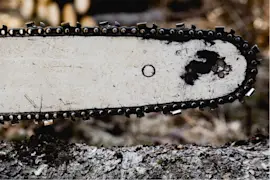
If you are also replacing wear items, match your current setup to the correct part listing, such as the chain 20BPX078G or bar 200PXBK041.
Last updated: January 2026
What old chainsaws are worth money?
Older chainsaws are worth money when they are collectible (rare model or brand), complete, and in strong cosmetic and running condition. For a Craftsman chainsaw like model 358351200, value usually increases most when it is original, starts easily, oils the bar, and has an intact bar and chain.
What makes an old chainsaw valuable
Collectors and buyers typically pay more when these factors line up:
- Brand and model demand (some vintage Stihl, Homelite, McCulloch, and certain Craftsman models draw interest)
- Era and rarity (older, limited-run, or unusual designs tend to bring more)
- Condition (clean covers, readable decals, no cracked handles, no missing fasteners)
- Completeness (correct bar, chain, clutch cover, and hardware)
- Running and cutting performance (starts, idles, accelerates, and oils properly)
Quick value ranges (typical market behavior)
These ranges are common for older gas chainsaws sold locally or online; condition drives the final number.
| Condition | Typical buyer intent | Typical value range |
|---|---|---|
| Non-running, incomplete | Parts donor | $25 to $100 |
| Runs but needs work | Project saw | $75 to $250 |
| Runs well, complete | User or collector | $150 to $500 |
| Rare, restored, or NOS | Collector | $400 to $1,000+ |
How to increase value before selling
Small, honest improvements usually help more than a full rebuild.
- Clean the exterior and remove heavy oil and sawdust buildup
- Confirm the oiler works and the bar is not badly worn (a correct replacement bar helps, such as the bar 200PXBK041)
- Install a sharp, correct chain (a matching replacement like the chain 20BPX078G can help presentation)
- Replace obvious wear items that affect operation (for example, a worn drive system may point to the drum sprocket 530048084)
- List what you tested: cold start, idle, throttle response, chain brake function, and oiling
Why it matters
Old chainsaws sell for the most when buyers trust they are complete and functional. A saw that starts reliably and oils the bar reduces buyer risk, which is usually the biggest driver of price.
Last updated: January 2026
Where is the model number on a chainsaw?
On the Craftsman chainsaw model 358351200, the model number is typically printed on the product identification label or ID tag on the saw body (often near the rear handle, starter housing, or bar-mount area). If the label is dirty or oil-stained, cleaning it usually makes the number readable.
Common places to check on a gas chainsaw
Look for a sticker, metal tag, or stamped ID in these spots:
- Near the rear handle where you grip the saw
- On the starter (recoil) housing side
- Around the clutch cover or bar-mount studs area
- On the underside of the saw body near the fuel and oil caps
- Near the muffler side (sometimes on a heat-shielded label)
Quick steps to find it fast
- Turn the saw off and let it cool completely.
- Wipe the housing with a rag to remove oil and sawdust.
- Use a flashlight and look for a rectangular label or small metal tag.
- If the label is faded, try gently cleaning with mild soap and water (avoid soaking decals).
Why it matters
The model number is what we use to match the correct Craftsman parts and diagrams for your exact chainsaw, including bar and chain fit, clutch components, and fuel system parts.
Parts you may match using the model number
Here are examples of model-matched parts customers commonly look up once they confirm the ID:
| Part type | Example part for model 358351200 | What it affects |
|---|---|---|
| Chain drive | Drum sprocket 530048084 | Chain movement and drive engagement |
| Guide system | Bar 200PXBK041 | Cutting length and chain fit |
| Cutting chain | Chain 20BPX078G | Cutting performance and pitch/gauge match |
For general identification and maintenance tips, use our chainsaw common questions resource.
Last updated: January 2026