Owner’s manual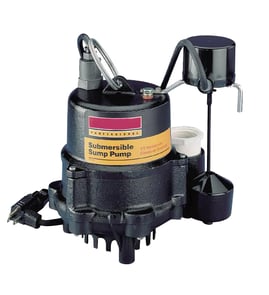

How many labor hours does it take to replace a water pump?
Replacing the water pump on a Craftsman 3902518 is typically a 2 to 4 hour job for an experienced technician because it often involves draining the system, disconnecting piping, and re-priming the pump. Use the steps and safety notes in the owner's manual to match your exact installation.
What affects labor time most
- How the pump is installed: tight spaces, rigid steel pipe, or hard-to-reach fittings add time
- Suction line condition: air leaks, stuck check/foot valves, or corroded fittings slow removal
- Priming setup: long horizontal runs or a priming tee/plug can add time to refill and prime
- Winterization/draining needs: draining the pump, tank, and piping takes extra time
- Electrical work: verifying wiring and voltage issues can extend the job
Typical time breakdown (what the labor usually includes)
| Task | Typical time | Notes |
|---|---|---|
| Shut down, cool down, depressurize | 0.25 to 0.5 hr | Allow motor to cool before handling; release system pressure first |
| Drain pump and piping | 0.25 to 0.75 hr | Open draincock; remove priming plug to vent |
| Disconnect piping and wiring | 0.5 to 1.5 hr | Time varies widely by fittings and access |
| Swap pump and reconnect | 0.5 to 1.5 hr | Includes sealing threaded joints and alignment |
| Prime, start, and verify operation | 0.5 to 1.0 hr | Priming time depends on depth to water and horizontal run |
Key checks after replacement (to avoid repeat service)
- Confirm the pump primes and delivers water within a few minutes
- Check for air leaks on the suction line if it will not prime
- Verify suction lift does not exceed 20 feet for shallow well jet operation
- If the pump runs but does not shut off, inspect/adjust the pressure switch
- Set the tank air charge correctly; model 3902518 requires 40 PSI for proper operation
Why it matters
Labor time is driven less by the pump itself and more by system details like suction leaks, priming configuration, and tank pressure settings. Getting priming and pressure-switch operation right prevents short cycling, no-water complaints, and overheating.
Last updated: February 2026
What is the most common problem of a water pump?
The most common problem we see with a Craftsman water pump like model 3902518 is loss of prime or air leaks on the suction side, which leads to low or no water delivery. Leaks at threaded fittings and pressure-switch issues can also cause frequent cycling or a pump that will not shut off; see the owner's manual for model-specific checks.
Most common symptoms (what you notice)
- Pump runs but no water is delivered
- Pump takes a long time to build pressure after starting
- Pump cycles on and off too often
- Air spurts from faucets (spitting)
- Pump runs hot and trips the overload
Most common causes on the 3902518
These are the issues called out most often in the troubleshooting guidance for this pump type:
- Air leak in the suction line (loose fittings, poor thread seal, cracked line)
- Improper priming (pump not completely filled with water before starting)
- Leaking foot valve or check valve (lets water drain back, so the pump loses prime)
- Clogged jet or impeller (reduces flow and prevents reaching shutoff pressure)
- Pressure switch out of adjustment or contacts “frozen” (can cause nonstop running or short cycling)
Quick checks we recommend (safe, practical steps)
- Prime correctly: remove the priming plug, fill the pump with water, reinstall the plug, then start the pump.
- Check suction lift: for shallow-well setups, keep lift within typical limits (the manual notes 20 feet max).
- Seal threaded fittings correctly: use about 1-1/2 to 2 turns of Teflon tape on male threads; do not overtighten plastic ports.
- Inspect the pressure switch: if the pump will not shut off or cycles rapidly, the switch may need adjustment or cleaning.
Pressure switch basics for this model
For model 3902518, the manual lists these typical pressure settings:
| Model | Pump starts at | Pump stops at |
|---|---|---|
| 3902518 | 40 PSI | 60 PSI |
If your pump is not starting or stopping near these points, the switch or system pressure setup is usually the first place to look.
Why it matters
Running a pump dry or against a closed discharge can overheat the unit and damage seals. Fixing suction leaks and priming problems early prevents repeated overheating, nuisance cycling, and premature motor or seal wear.
Last updated: February 2026
What are signs of a failing water pump?
On the Craftsman 3902518 water pump, a failing pump usually shows up as loss of prime (motor runs but no water), low water delivery, frequent cycling, or a pump that will not shut off. These symptoms commonly trace back to priming, suction leaks, restrictions, or pressure control issues.
Common signs you can see or hear
- Motor runs but no water is delivered
- Pump loses prime after it was working
- Low flow or low pressure compared to normal
- Pump cycles too frequently (short-cycling)
- Pump runs and will not shut off
- Air spurts from faucets
Quick checks that pinpoint the cause
Before troubleshooting, disconnect power and relieve system pressure; follow the safety steps in the owner's manual. Then:
- Confirm the pump is properly primed; never run the pump dry
- Check suction piping and fittings for air leaks; re-tape male threads (about 1-1/2 to 2 turns of Teflon tape) and avoid overtightening plastic ports
- Verify suction lift does not exceed 20 feet (water level to pump)
- Inspect for a stuck check valve/foot valve or a leaking foot valve
- Look for a clogged jet or impeller if flow is weak
- If the pump will not shut off or short-cycles, inspect the pressure switch settings/contacts and tank air charge
Symptom-to-likely-cause guide
| Symptom | Most likely causes | What to check first |
|---|---|---|
| Motor runs, no water | Improper priming, air leak, leaking foot valve | Prime procedure, suction fittings, foot valve |
| Low capacity | Water level lower than expected, restricted piping | Well level, pipe restrictions/corrosion |
| Won’t shut off | Pressure switch out of adjustment, contacts stuck, clogged jet/impeller | Switch operation, jet/impeller |
| Cycles too often | Waterlogged tank, leaks, foot valve leak, switch out of adjustment | Tank air cushion, leaks, foot valve |
Why it matters
Running a jet pump unprimed or against a closed discharge can overheat the pump and damage seals; frequent cycling also shortens motor and control life. Using the priming, piping, and electrical guidance in the owner's manual prevents repeat failures.
Last updated: February 2026
At what mileage should a water pump be replaced?
A Craftsman water pump model 3902518 is a home well/utility pump, not an automotive coolant pump, so it is not replaced by mileage. We replace it when performance problems show up (won’t prime, low pressure, frequent cycling) and after completing the checks in the owner's manual.
When to replace the pump (symptom-based)
Replace the pump or correct the underlying cause when one or more of these keep happening:
- Pump runs but delivers little or no water after proper priming
- Pump will not prime, or loses prime (often from suction-side air leaks or a leaking foot valve)
- Pump cycles too frequently (commonly tied to pressure tank air charge or pressure control issues)
- Pump runs continuously and does not shut off
- Persistent leaks at clamps or fittings after resealing and tightening
Quick checks we recommend before replacing parts
These are common jet-pump checks and match the operating guidance for this model family:
- Confirm suction lift (pumping water level to pump) does not exceed 20 feet
- Re-prime the pump and check the suction line for air leaks
- Inspect the foot valve and strainer; keep the strainer above the well bottom to avoid sediment clogging
- Verify pressure tank air charge; this model family uses 40 PSI for proper operation with a captive tank
- If the motor runs hot or trips overload, verify wiring and supply voltage
Repair vs. replace: what usually makes sense
| Symptom | Usually best next step | Why it matters |
|---|---|---|
| Won’t shut off or short-cycles | Check tank air charge; then test/adjust pressure control | Prevents rapid cycling and motor wear |
| Won’t prime or loses prime | Fix suction leaks; service foot valve; clean jet/impeller | Prevents dry running and low flow |
| Freezing risk | Drain pump and piping for winter | Prevents cracked housings and fittings |
Why it matters
Mileage-based replacement applies to vehicles; for a Craftsman shallow well jet pump, a symptom-based approach prevents unnecessary replacement while protecting the motor and maintaining steady water pressure.
Last updated: February 2026