
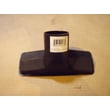
Is a wet and dry vacuum cleaner worth it?
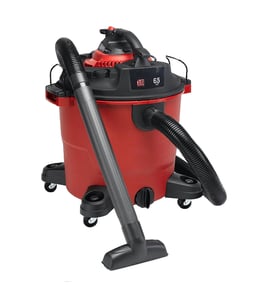
Yes; for most garages, workshops, basements, and busy homes, a wet/dry vacuum is worth it because it handles both liquid spills and dry debris that a standard household vacuum should not pick up. The Craftsman model 113177021 (a 12 or 16-gallon wet/dry vacuum) is built for tougher cleanup jobs.
When a wet/dry vac is the better choice
- You need to pick up water from a small leak, spill, or wet floor cleanup
- You regularly vacuum heavier debris (sawdust, drywall dust, small shop messes)
- You want one machine for garage and home utility cleanup
- You need a larger-capacity tank (common on 12 to 16-gallon units)
- You want a tool that can be used with common accessories like hoses, wands, and nozzles
What you gain (and what you give up)
Wet/dry vacs trade “quiet, lightweight, carpet-focused cleaning” for “powerful, utility cleanup.” They are ideal for concrete floors, garages, and jobsite messes, but they are not a replacement for a dedicated carpet vacuum in most homes.
| Feature | Wet/dry vacuum (like 113177021) | Standard household vacuum |
|---|---|---|
| Picks up liquids | Yes | No |
| Handles heavier debris | Yes | Limited |
| Typical tank capacity | Larger (often 12 to 16 gallons) | Smaller bin/bag |
| Best surfaces | Garage, shop, hard floors | Carpet, rugs, mixed indoor floors |
Quick buying checklist for your needs
- Capacity: 12 to 16 gallons is a strong fit for garage and basement cleanup
- Filtration: use the correct filter for fine dust; use the correct setup for wet pickup
- Hose and attachments: longer hose and the right nozzle make a bigger difference than most people expect
- Storage and portability: consider where you will store the canister and accessories
- Power source: confirm you have a convenient outlet and a safe cord setup for the work area
Why it matters
Using the right vacuum for wet pickup helps prevent motor damage and reduces the risk of spreading moisture, odors, and grime. A wet/dry vacuum also saves time on messy jobs because it is designed for bulk debris and occasional water cleanup.
For help confirming you have the correct model before shopping for accessories, use how to find your appliance model number (and what it means for parts).
Last updated: January 2026
What is the average lifespan of a wet dry vac?
A wet/dry vac like the Craftsman 113177021 typically lasts 5 to 10 years. With regular filter care, good airflow, and avoiding motor strain (clogs, overheating, wet pickup without the right setup), many units reach 10 to 12+ years in normal home-shop use.
Typical lifespan by use
- Light use (garage cleanup a few times a month): 8 to 12+ years
- Moderate use (weekly shop and car cleanup): 6 to 10 years
- Heavy use (jobsite, fine dust, frequent wet pickup): 3 to 7 years
What shortens lifespan fastest
- Running with a clogged filter or restricted hose (overheats the motor)
- Sucking up fine dust without proper filtration (dust gets into the motor)
- Wet pickup with the wrong filter setup or a missing float shutoff function
- Long continuous run times without cool-down breaks
- Storing the vacuum wet or with debris left in the tank
Maintenance checklist that adds years
- Empty the tank before debris reaches the inlet level
- Clean or replace the filter on a schedule (more often for drywall dust)
- Check the hose and inlet for clogs; keep airflow strong
- Inspect the power cord and switch for heat damage or looseness
- Let the motor cool after long runs, especially in hot garages
Quick guide: symptoms and what they usually mean
| Symptom | Most common cause | What to do first |
|---|---|---|
| Weak suction | Clogged filter or hose | Clean filter; clear hose/inlet |
| Motor sounds strained | Air restriction | Check for blockages; empty tank |
| Stops during use | Overheat protection tripping | Cool down; improve airflow |
| Burning smell | Debris in motor area or electrical issue | Unplug; inspect cord/switch; stop using until corrected |
Why it matters
Wet/dry vac motors rely on airflow for cooling. Keeping filtration clean and airflow unrestricted prevents overheating and premature motor wear, which is the most common reason a shop vacuum gets replaced.
For DIY safety basics before troubleshooting electrical issues, use our guide: are diy appliance repairs safe.
Last updated: January 2026
What should you not vacuum with a wet dry vac?
For the Craftsman 113177021 12 or 16-gallon wet/dry vacuum, do not vacuum anything that is hot, burning, explosive, or extremely fine and dusty; those materials can damage the motor, clog the filter, or create a fire hazard.
Items to avoid vacuuming
- Hot ash, embers, fireplace soot, or anything smoldering
- Flammable or explosive liquids and vapors (gasoline, solvents, paint thinner)
- Very fine powders (drywall dust, concrete dust, flour) unless you use the correct fine-dust setup
- Large sharp debris (big glass shards, jagged metal) that can puncture the hose or tank
- Reactive or hazardous materials (unknown chemicals, corrosives)
Wet pickup vs. dry pickup: quick guide
| Material | OK to vacuum? | Best practice |
|---|---|---|
| Clean water spills | Yes | Use wet pickup configuration; empty tank promptly |
| Sawdust, wood chips | Yes | Use a clean, dry filter; avoid overfilling |
| Drywall dust, cement dust | Usually no | Use a fine-dust filter or dust separator; clean filter often |
| Hot ash/embers | No | Let it cool completely; dispose safely |
| Gasoline/solvents | No | Use proper spill cleanup methods; ventilate area |
Why it matters
Wet/dry vacuums move a lot of air through the motor. Hot debris can ignite dust in the airflow, flammable vapors can flash, and fine powders can pass through or cake onto the filter, causing overheating, loss of suction, and premature motor wear.
Safer ways to handle “problem” messes
- For fine dust: use a dust separator and the right filter, then clean the filter outdoors
- For sharp debris: sweep up large pieces first, then vacuum the small fragments
- For liquids: pick up only non-flammable liquids; rinse and dry the tank to prevent odors
- For electrical checks (if the vac won’t run after a clog): use how to tell if a fuse is blown and how to use a multimeter to test electrical parts video
Last updated: January 2026