Owner’s manual
 View engine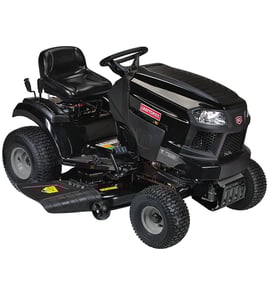


Do Craftsman mowers use Briggs and Stratton engines?
Yes, many Craftsman mowers and tractors use Briggs and Stratton engines, but it depends on the specific model and production year. For Craftsman model 917273770, the engine brand and exact engine model are listed in the 917273770 owner's manual, along with the correct tune-up and maintenance specs.
Craftsman has used multiple engine suppliers over the years, so it is normal to see different engine brands on different Craftsman machines.
Common engine brands found on Craftsman equipment include:
- Briggs and Stratton
- Kohler
- Honda (more common on some walk-behind models)
- Other OEM engines depending on the mower line and year
The fastest way is to match the engine ID on the tractor to the documentation.
Use these checks:
- Look for the engine label on the blower housing or valve cover (often shows model, type, and code)
- Compare that label to the engine information section in the 917273770 owner's manual
- Use the engine model to choose the correct air filter, spark plug, and oil type
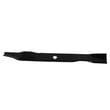
- If you are servicing the mower deck, match blade and mandrel parts to the deck size and configuration
| What to check | Where to find it | Why it matters |
|---|---|---|
| Engine model/type/code | On the engine label | Ensures correct tune-up parts |
| Tractor model number | On the tractor ID tag | Confirms you are using the right manual |
| Deck size and blade style | Deck label and blade shape | Prevents wrong blade fit and cut quality |
Engine brand affects maintenance parts and procedures (oil type, spark plug, air filter, fuel system setup). Confirming the engine on 917273770 prevents ordering the wrong tune-up parts and helps keep starting and cutting performance consistent.
Last updated: January 2026
What are the most common issues with 917273770?
On the Craftsman 917273770 front-engine lawn tractor, the most common problems we see involve the mower deck drive system (belt, idlers, mandrels), steering and front-axle wear, and starting issues caused by key/switch or wiring connections. Use the owner's manual for model-specific adjustments and maintenance intervals.
- Deck won’t engage or blades stop under load: worn or stretched deck belt, weak idler spring, seized idler pulley
- Uneven cut or heavy vibration: bent/dull blade, worn mandrel bearings, loose blade hardware
- Squealing or burning rubber smell: belt slipping from misrouted belt path, worn pulley, weak tension spring
- Loose steering or wandering: worn steering sector gear, drag link wear, front axle/bearing wear
- No-start or intermittent start: worn key, loose battery cables, damaged wiring, safety switch issues
These are frequent wear items for deck and control complaints on this model:
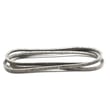
- V-belt 532138255 (deck drive belt)
- Lawn tractor blade idler pulley 532139245
- Lawn tractor blade idler spring 532169022
- Husqvarna lawn tractor mandrel assembly 532130794
- Molded ignition key 532140403
- Park on level ground; remove the key and disconnect the spark plug wire.
- Inspect the deck belt for glazing, cracks, or slack; confirm correct routing.
- Spin idler pulleys by hand; they should turn smoothly with no wobble.
- Check blades for damage and tight mounting; inspect mandrels for play.
- For starting issues, verify clean, tight battery terminals and look for pinched or rubbed-through wires.
| Symptom | Most likely wear area | Example part on this page |
|---|---|---|
| Blades won’t stay spinning | Belt tension/drive | V-belt, idler pulley, idler spring |
| Vibration/rough cut | Blade/mandrel | Mandrel assembly, deck blades |
| Intermittent start | Key/electrical connection | Molded ignition key |
Catching belt, pulley, and mandrel wear early prevents deck damage, improves cut quality, and reduces strain on the engine and spindle housings.
Last updated: March 2026
What is the average lifespan of 917273770?
A Craftsman front-engine lawn tractor like model 917273770 typically lasts 10 to 15 years with normal residential use and routine maintenance. Lifespan depends most on mowing hours, storage conditions, and how consistently the deck, belts, and steering components are serviced.
- Annual mowing hours (more hours equals faster wear on the deck, transaxle, and steering)
- Maintenance frequency (oil changes, blade sharpening, belt inspections)
- Storage (covered, dry storage prevents corrosion and electrical issues)
- Terrain and load (hills and towing increase stress on the transaxle and drive system)
- Deck condition (cleaning under the deck reduces rust and improves cut quality)
Use the maintenance schedule and lubrication points in the owner's manual and plan around these common intervals:
| Item | Typical interval | What to watch for |
|---|---|---|
| Blades | Each season | Dull edges, vibration, uneven cut |
| Deck belt | 1 to 3 seasons | Slipping, squeal, burning smell |
| Idler pulley/springs | As needed | Belt jumping, poor blade engagement |
| Steering linkage | Each season | Excess play, wandering |
Replacing worn deck and drive components on time prevents bigger failures and keeps the tractor cutting cleanly.
- V-belt 532138255 (deck/drive belt wear can cause slipping and poor performance)
- Lawn tractor blade idler pulley 532139245 (a noisy or seized pulley quickly damages belts)
- Husqvarna lawn tractor mandrel assembly 532130794 (worn bearings cause vibration and uneven cutting)
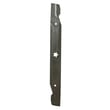
- Lawn tractor 42-in deck high-lift blade 532138971 (fresh blades reduce strain and improve cut)
A lawn tractor usually gets replaced due to compounding wear (belt slip, deck vibration, steering looseness) rather than a single failure. Staying ahead of wear items keeps your Craftsman 917273770 reliable and reduces downtime during mowing season.
Last updated: March 2026