 Installation guide
 Owner’s manual





Can a clogged drain cause an FTD error?
Yes. On the GE GDF520PGJ0WW dishwasher, an FTD (fail to drain) error commonly happens when water cannot pump out because the drain path is restricted, such as a clogged air gap, disposer connection, filter area, or a kinked/blocked drain hose. See the GDF520PGJ0WW owner’s manual for model-specific drain checks.
What to check first (fast, no parts)
- Cancel the cycle and let the drain pump run; listen for a steady pump sound.
- Check for standing water in the tub; remove any large debris.
- If you have an air gap, remove the cap and clean it (a clogged air gap can stop draining).
- If the dishwasher drains into a garbage disposer, run the disposer to clear it.
- Confirm the kitchen sink drains normally; a slow sink often points to a plumbing clog.
Drain hose problems that trigger FTD
A clogged drain hose is a top cause, but routing matters too. The installation requirements for proper drain operation include limits on height and total hose length. Use the GDF520PGJ0WW installation guide to confirm your setup.
| Drain setup item | What “good” looks like | What can cause FTD |
|---|---|---|
| Drain connection height | Not more than 72 inches above dishwasher bottom | Water cannot be pumped up and out |
| Total drain hose length | Not more than 12 feet total | Weak/slow drain, repeated drain errors |
| Hose condition | Smooth flow, no kinks, no crushed sections | Restriction and poor pump-out |
When a part is likely involved
If the drain path is clear but the unit still will not drain, a failed pump or an internal restriction is likely.
- Inspect the drain hose for internal blockage; replace if soft, split, or permanently kinked.
- If the pump hums but does not move water, the drain pump can be jammed or worn.
- If draining is intermittent, check for debris around the sump area.
Helpful model-matched parts to consider:
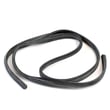
- Dishwasher drain hose WD24X10062 (cracked, kinked, or internally clogged hose)
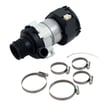
- Dishwasher drain pump kit WD19X25187 (pump not moving water)
Why it matters
FTD is a protection signal. If water cannot leave the tub, the dishwasher can stop mid-cycle, leave dirty water behind, and create odor and soil redeposit on dishes. Clearing the restriction usually restores normal draining quickly.
Last updated: February 2026
How to manually reset GE dishwasher?
On the GE GDF520PGJ0WW dishwasher, the manual reset is done from the control panel: press and hold Start/Reset for 3 seconds to cancel the current cycle, then close the door so the dishwasher drains and clears the cycle. Use this when the unit is stuck mid-cycle or you need to restart.
Quick reset steps (control-panel reset)
- Press and hold Start/Reset for 3 seconds.
- Close and latch the door; the dishwasher will drain.
- Wait until draining stops and the cycle light turns off.
- Select your new cycle and press Start, then close the door within about 10 seconds.
- If the dishwasher beeps with the door open, close the door to resume.
What this reset does (and does not do)
| Action | What you’ll see | What it means |
|---|---|---|
| Hold Start/Reset 3 seconds | Drain pump runs | Cycle is canceled and water is pumped out |
| Press Start and close door | Cycle begins shortly after | Normal start sequence |
| Open door during wash | Cycle pauses, periodic beeps | Reminder to close door to continue |
If it still will not start after a reset
- Confirm the door is fully latched; a weak latch can prevent starting.
- Verify power at the breaker and that the dishwasher has power.
- Make sure water supply is on and the unit can fill.
- Check for standing water; if it will not drain, inspect the drain path and hose.
- If the controls are unresponsive, a control issue can be involved.
Parts that commonly relate to “won’t start” symptoms
- GE dishwasher door latch lock WD21X10490 (door must latch for the cycle to run)
- Ui board WD21X31899 (keypad and display inputs)
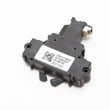
- Dishwasher electronic control board WD21X24899 (main control that runs the cycle)
Why it matters
Canceling and draining with Start/Reset is the fastest safe way to clear a stuck cycle, stop beeping from an interrupted wash, and restart the dishwasher without forcing the door or shutting off power.
For the exact button behavior and cycle start timing, follow the GDF520PGJ0WW owner’s manual.
Last updated: February 2026
What is the average life expectancy of a GE dishwasher?
A GE dishwasher like model GDF520PGJ0WW typically lasts 10 to 12 years with normal household use. Regular cleaning, correct detergent use, and fixing small issues early (like poor draining or weak spray) help you reach the high end of that range.
Typical lifespan and what affects it
Most dishwashers fall into a predictable wear pattern: pumps, heaters, and door components take the most stress over time.
- Usage frequency: 1 load/day wears parts faster than 3 to 4 loads/week
- Water quality: hard water speeds up mineral buildup in the sump and spray arms
- Maintenance: cleaning filters and checking seals prevents strain on the circulation system
- Detergent and rinse aid: using dishwasher-rated products helps reduce film and residue (see GDF520PGJ0WW owner’s manual)
- Early repairs: replacing a worn latch or clogged spray arm can prevent bigger failures
Quick “what fails first” guide
| Component area | Common symptom | Example model-matched part (if needed) |
|---|---|---|
| Wash system | Dishes not cleaning, weak spray | Dishwasher spray arm, lower WD22X33499 |
| Drain system | Water left in tub | Dishwasher drain hose WD24X10062 |
| Heating/drying | Poor drying, cool water | Dishwasher heating element WD05X30818 |
| Door/starting | Won’t start, won’t latch | GE dishwasher door latch lock WD21X10490 |
Maintenance that extends life (high impact)
We recommend these habits to keep your GE dishwasher running efficiently:
- Scrape off hard soils; avoid heavy pre-rinsing so the wash cycle can work as designed
- Clean the filter area and check for debris around the sump regularly
- Inspect spray arms for clogged holes and free rotation
- Use a rinse aid if you see film or spotting buildup
- Confirm the unit is installed so it can be removed for service later (see GDF520PGJ0WW installation guide)
Why it matters
A dishwasher that is struggling to wash, drain, or heat often runs longer and works harder, which accelerates wear on the circulation pump, diverter, and control components. Simple upkeep and timely part replacement usually cost less than replacing the dishwasher early.
Last updated: February 2026
What is the most common problem with a GE dishwasher?
The most common GE dishwasher problem is poor cleaning caused by restricted water flow, usually from dirty filters or blocked spray arms. On the GE GDF520PGJ0WW, we fix this most often by cleaning the filters, checking spray arm movement, and confirming the door fully latches before starting (see the GDF520PGJ0WW owner’s manual).
Quick checks we do first (no parts)
- Clean the filters; gritty dishes or reduced wash performance is a strong sign the filters need attention.
- Spin the spray arms by hand; they should rotate freely and not hit tall items.
- Clear spray arm holes with a toothpick and rinse debris away.
- Use fresh automatic dishwasher detergent; old or damp powder can cause poor results.
- Confirm the door is fully closed and you press Start correctly; some GE models beep if the door is left open during operation.
Common causes and the usual fix
| Symptom | Most likely cause | What we do |
|---|---|---|
| Dishes come out gritty | Filters need cleaning | Remove and clean filters; recheck after 1-2 cycles |
| Top or middle rack not cleaning | Spray arm/manifold blockage | Clean holes; inspect for cracks or wobble |
| Lower rack not cleaning well | Lower spray arm not spraying strongly | Clean or replace the spray arm |
| Unit beeps, won’t run, or stops | Door not latched or cycle interrupted | Reseat door, press Start, close door firmly |
Parts that commonly solve cleaning and circulation complaints
If cleaning does not restore performance, these model-matched parts are frequent fixes:
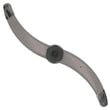
- Dishwasher spray arm, lower WD22X33499 (cracked arm, stripped hub, clogged jets)
- Dishwasher spray arm, middle WD22X33498 (weak mid-level spray, blocked jets)
- Dishwasher coarse filter WD22X10093 (damaged or heavily clogged filter)
- Dishwasher circulation pump WD26X23258 (weak wash pressure, loud humming, poor circulation)
Why it matters
Restricted flow makes the dishwasher recirculate dirty water and reduces spray pressure, so detergent cannot rinse away soil. Keeping filters and spray arms clean is the fastest way to prevent repeat wash issues and avoid strain on the circulation pump and heating system.
Last updated: February 2026





