Error Codes

What is the average lifespan of a Kenmore washer?
A Kenmore washer typically lasts 10 to 15 years with normal household use. For Kenmore model 11082891120, keeping loads balanced, using the right detergent amount, and fixing early symptoms (leaks, poor spin, no drain) helps you reach the upper end of that range.
- Overloading strains the drive system, clutch, and suspension.
- Unbalanced loads increase vibration and wear on springs and the tub support.
- Drain problems (slow or no drain) overwork the pump and can leave water in the tub.
- Agitation issues (weak or no agitation) can point to worn agitator components.
- Small leaks can lead to corrosion and bearing wear if ignored.
- Keep loads evenly distributed; wash bulky items with a few towels to balance.
- Use HE detergent only if your detergent calls for it; avoid oversudsing.
- Leave the lid open after use to reduce moisture and odor.
- Check hoses and the tub area for drips; address leaks promptly.
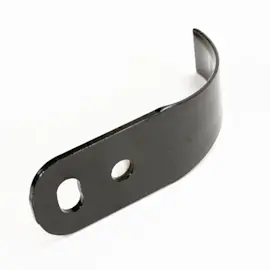
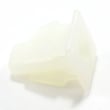
- If agitation is slipping, inspect common wear items like the agitator dog 80040.
| Symptom | What you notice | Parts often involved on this style washer |
|---|---|---|
| Won’t drain | Water stays in tub | Drain pump, hose restrictions |
| Won’t spin or weak spin | Clothes still wet | Clutch, drive coupling, lid switch |
| No agitation | Tub fills but clothes barely move | Agitator dogs/cam, drive coupling |
| Loud grinding | Noise during spin/agitate | Gear case, drive block, bearings |
Knowing the typical 10 to 15 year lifespan helps you decide whether to repair or replace. If your 11082891120 is near that age and needs a major drive or gear case repair, comparing repair cost to replacement value is the practical next step.
Last updated: February 2026
How to identify a Kenmore washer model?
Your Kenmore washer model number is printed on the appliance’s model and serial tag; for Kenmore washers it often starts with 110 (like 11082891120). On most machines, you’ll find that tag under the lid (top-load) or around the door opening (front-load), and using the exact model number ensures you get the correct parts and diagrams.
Check these common tag locations first:
- Top-load washers: under the lid, along the rim of the tub opening
- Front-load washers: around the door opening, on the door frame, or behind the door
- All styles: back panel near the power cord, or inside the control console area
- If the tag is worn: use a flashlight and look for faint stamped or printed characters
For Kenmore model 11082891120, the full model number is a long numeric string. Record it exactly as shown.
| Item to record | Example | Why it matters |
|---|---|---|
| Model number | 11082891120 | Matches the correct parts list and diagrams |
| Serial number | (varies) | Helps identify production run details |
| Type | Washer | Prevents ordering parts for a different appliance |
Before you buy a replacement part, we recommend these checks:
- Match the entire model number, not just the first 3 digits
- Confirm whether your washer is top-load or front-load
- Compare the part name and ID when selecting common wear items (agitator, pump, coupling)
- If you’re troubleshooting an error or imbalance issue, use a Kenmore washer error-code resource first
A common example of a frequently replaced item on this model family is the coupling 285753A, which is used in many direct-drive style Kenmore 110 washers.
Kenmore washers share many similar-looking parts across different series. Using the exact model number (like 11082891120) prevents fit issues, repeat repairs, and return delays.
Last updated: February 2026
How to do a hard reset on a Kenmore washer?
For Kenmore washer model 11082891120, a hard reset is a simple power reset: unplug the washer (or switch off the breaker) for 1 minute, then restore power and try a normal cycle. This clears minor control glitches like a stuck cycle or unresponsive buttons.
- Press Pause/Cancel once to stop the cycle.
- Turn the cycle selector to Off.
- Unplug the washer (or turn OFF the circuit breaker).
- Wait 60 seconds.
- Restore power.
- Lift and close the lid once, then select a Rinse/Spin or Drain/Spin cycle to test.
These checks solve most “reset didn’t work” situations on top-load Kenmore 110-style washers.
- Make sure the lid closes firmly; a failed lid switch can prevent spin or drain.
- Confirm the outlet has power (try a lamp) and the breaker is not tripped.
- If it will not drain, check for a clog or a failing pump such as the water pump WP3363394.
- If the motor runs but the basket will not spin or agitate, inspect the coupling 285753A.
- If agitation is weak or intermittent, check the agitator dog 80040 and the agitator components.
| What you see | Most likely next check | Common related part |
|---|---|---|
| Won’t drain | Drain hose, pump, clogs | Water pump |
| Motor runs, no spin/agitate | Drive connection | Motor coupling |
| Agitator moves poorly | Agitator internals | Agitator dog |
| Stops mid-cycle | Lid closure, switch | Lid switch (varies) |
A hard reset clears temporary control-board logic issues without replacing parts. If the same symptom returns right away, the washer is usually reacting to a real problem (drain restriction, drive wear, or a lid safety issue) that needs troubleshooting.
Last updated: February 2026
How many cubic feet is a Kenmore Model 11082891120 washer?
The Kenmore washer model 11082891120 has a 3.4 cu. ft. wash basket capacity. That capacity helps you size loads correctly so clothes can circulate, rinse, and spin out water without frequent off-balance conditions.
- Handles typical everyday mixed loads comfortably.
- Bulky items (comforters, heavy blankets) may need fewer pieces per load.
- Overfilling reduces turnover and cleaning performance.
- Underfilling can increase vibration on some cycles.
| Washer capacity | Best for | What you notice |
|---|---|---|
| 3.0 to 3.3 cu. ft. | Smaller households | More loads for bulky items |
| 3.4 cu. ft. | Most families | Balanced mix of load size and turnover |
| 3.6 to 4.0+ cu. ft. | Larger households | Fewer loads, easier bulky items |
Poor agitation or a weak spin can make loads feel cramped because items do not circulate well. These common wear parts can affect wash action on this Kenmore top-load platform:
- Agitator dog 80040 (worn dogs reduce upper agitator movement)
- Coupling 285753A (a worn coupling can stop agitation and spin)
- Water pump WP3363394 (drain problems leave clothes wetter and heavier)
Matching load size to the 3.4 cu. ft. basket helps prevent poor cleaning, detergent residue, and out-of-balance spinning; it also reduces strain on the drive system and suspension.
Last updated: February 2026