Error Codes

How to identify a Kenmore washer model?
Your Kenmore washer model number is printed on the appliance’s model and serial tag; for Kenmore washers it often starts with 110 (like 11081878110). On most top-load Kenmore washers, we find it under the lid around the tub opening; on many front-load models, it’s inside the door opening.
Where to look on Kenmore washers
Check these common locations first:
- Top-load washer: under the lid, along the rim of the tub opening
- Front-load washer: inside the door opening, on the door frame or cabinet front
- All styles: back panel near the power cord, or along the side of the cabinet
- Some models: behind the control panel (requires disassembly, not recommended just to find the tag)
What the model number looks like (and why it matters)
For Kenmore, the model number is usually 10 to 12+ characters and may be all numbers or a mix of letters and numbers. Using the exact model number helps us match the correct parts list, diagrams, and replacements for your washer.
| What you see on the tag | What it tells you | What to do next |
|---|---|---|
| 11081878110 | Exact Kenmore washer model | Use it to select parts by model |
| 110.xxxxxxx format | Kenmore model family pattern | Copy the full number exactly |
| Serial number | Production identifier | Keep it for service history |
Quick tips to avoid ordering the wrong part
- Copy the model number exactly, including all digits
- Take a clear photo of the tag before ordering
- Match parts by model number first, not by how the washer looks
- If you are replacing an agitator-related item, confirm whether your washer uses an agitator and which style
Why it matters
Kenmore washers can look similar across years, but internal components (like the drive system, clutch, pump, or agitator parts) can differ by model. The correct model number keeps you from buying a part that does not fit.
If you already have the model number and you are troubleshooting agitation issues, a common wear item on many Kenmore top-load designs is the agitator dog 80040.
Last updated: February 2026
What is the average lifespan of a Kenmore washer?
A Kenmore washer typically lasts 10 to 15 years with normal household use. For your Kenmore 11081878110 top-load washer, consistent maintenance and avoiding overloads helps you reach the high end of that range; worn drive and drain components can shorten it.
Typical lifespan and what affects it
Most washers fail early from wear, vibration, or water-related issues. These factors make the biggest difference:
- Load size and frequency (heavy, daily use shortens life)
- Overloading or washing bulky items too often
- Hard water and detergent buildup
- Out-of-balance spinning and repeated banging
- Small leaks that go unnoticed
Parts that commonly limit washer life
When these parts wear out, performance drops fast (poor agitation, weak spin, or draining problems). If symptoms match, checking these parts is a practical next step:
- Agitator dog 80040 (agitator “ratcheting” and turnover)
- Coupling 285753A (motor-to-transmission drive; agitation/spin issues)
- Water pump WP3363394 (drain and leak problems)
- Clutch 285785 (slow or weak spin)
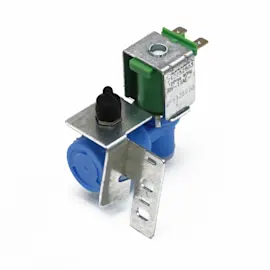
- Valve 285805 (fill problems, slow fill, or no fill)
Quick “repair or replace” guide
| What you notice | Most likely area | Typical outcome |
|---|---|---|
| Won’t drain or leaks during drain | Drain pump, hoses | Often worth repairing |
| Agitates poorly but motor runs | Coupling, agitator parts | Often worth repairing |
| Loud roaring in spin, water under tub | Bearings/seals, tub wear | Often a major repair |
| Repeated out-of-balance banging | Suspension, load habits | Repair plus loading changes |
Why it matters
Knowing the 10 to 15 year lifespan helps you decide whether to invest in a drive system repair (like a coupling or clutch) versus planning for replacement, especially if multiple symptoms show up at once.
Last updated: February 2026
What replacement parts are most commonly needed for the 11081878110?
For Kenmore washer model 11081878110, the most commonly replaced parts are the ones tied to everyday wear: agitation, draining, spinning, and filling. If your washer won’t agitate, won’t drain, leaks, or won’t spin, the parts below are the first places we check.
Most common replacement parts (and what symptoms they fix)
- Agitation problems (weak or no agitation): agitator dog 80040, agitator cam 285748
- Won’t spin or makes a grinding/rubbing noise: clutch 285785, washer drive block WP389140
- Won’t drain or leaves water in the tub: water pump WP3363394, hose-wl WP353244
- Won’t fill or fills incorrectly: valve 285805
- Out-of-balance banging or excessive vibration: washer suspension spring WP63907, counterweight spring (red) WPW10250667
Quick “symptom to part” guide
| Symptom | Most likely part(s) to check | Why it matters |
|---|---|---|
| Agitator moves but clothes don’t | Agitator dog 80040 | Worn dogs slip and stop the top of the agitator from grabbing |
| Washer won’t drain | Water pump WP3363394 | A failing pump can’t move water out, so the cycle stalls |
| Spins poorly or smells hot | Clutch 285785 | A worn clutch can’t transfer power smoothly to the basket |
| Loud clunking in spin | Washer suspension spring WP63907 | Weak suspension lets the tub swing too far |
| Water won’t stop or won’t enter | Valve 285805 | The inlet valve controls water flow into the washer |
How we recommend choosing the right part first
- Match the symptom to the cycle (fill, agitate, drain, spin).
- Look for simple causes first (kinked drain hose, overloaded tub, unbalanced load).
- If the issue is intermittent, inspect for wear marks, cracks, or looseness.
- Replace obvious wear items together when it makes sense (agitator dogs with the cam).
Why it matters
Targeting the most common wear parts first saves time and prevents repeat breakdowns. In a direct-drive Kenmore top-load washer like 11081878110, agitation and drain components typically wear out before major drive components.
Last updated: March 2026