Owner’s manual




What is the most common problem with the LG washing machine?
On the LG WM3250HWA washer, the most common day-to-day complaint we see is drain and spin trouble: the washer won’t drain fully, won’t spin out, or leaves clothes too wet. A clogged drain pump filter (coin trap) is a frequent cause; see the cleaning steps in the WM3250HWA manual.
Quick checks first (no parts needed)
- Unplug the washer before opening the drain pump filter area.
- If the tub is full of water, run Rinse+Spin or Drain & Spin (Spin Speed button) to try to clear it.
- Check the drain hose for kinks, crushing, or a frozen/blocked standpipe.
- Reduce oversudsing: use HE detergent only and avoid overfilling the dispenser.
- If you see an unbalanced-load code (often UE), redistribute the load and retry.
What to do when it won’t drain or spin
A clogged filter can stop draining and can also prevent a proper high-speed spin. On WM3250HWA, the drain pump filter is behind the small access cover at the lower front of the washer.
- Place a shallow pan and towels under the access area.
- Drain remaining water slowly using the small drain hose.
- Remove and rinse the filter; clear coins, lint, and debris.
- Reinstall the filter fully to prevent leaks.
If the washer still drains slowly after cleaning, the drain pump motor or drain hose may be restricted or failing.
Parts that commonly relate to drain problems
| Symptom | Likely area to inspect | Example compatible part |
|---|---|---|
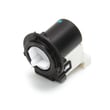
| Won’t drain, humming/buzzing | Drain pump | Drain pump motor (4681EA2001T) - washer part by LG electronics 4681EA2001T |
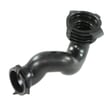
| Leaks or poor flow at drain path | Drain hose | Washer drain hose 5215ER2002G |
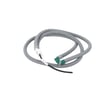
| Water won’t fully evacuate from filter area | Filter drain hose | Washer drain pump filter drain hose 5214FR4006G |
Why it matters
Drain and spin issues can leave clothes soaking wet, trigger error codes, and strain the drive system. Keeping the drain pump filter clean helps the WM3250HWA run quieter, drain faster, and spin properly.
Last updated: January 2026
What is the capacity of WM3250HWA?
The LG WM3250HWA washer has a 4.0 cu. ft. tub capacity, which is considered an ultra large capacity for a front-load washer. For model-specific specs and feature details, see the WM3250HWA manual.
What “4.0 cu. ft.” means in real use
A 4.0 cu. ft. front-load washer is designed to handle larger loads and bulky items more efficiently than smaller-capacity models.
- Fewer loads for everyday laundry (towels, jeans, mixed loads)
- Better room for bulky items like comforters and blankets
- More space for proper tumbling, which helps cleaning and rinsing
- Helps reduce overall wash-day time when you consolidate loads
Quick capacity reference
| Capacity | Typical fit | Best for |
|---|---|---|
| Under 3.5 cu. ft. | Smaller loads | Singles, small households |
| 3.5 to 4.4 cu. ft. | Medium to large loads | Most families |
| 4.5+ cu. ft. | Extra-large loads | Large families, frequent bulky loads |
Why it matters
Capacity affects how much you can wash at once, but it also impacts wash performance. Overloading can reduce tumbling action and lead to poor rinsing, while using the right load size helps the WM3250HWA clean efficiently.
Last updated: January 2026
What does HWA mean on LG washer?
On the LG WM3250HWA washer, “HWA” is part of the model-number suffix LG uses to identify a specific variant. Our WM3250HWA documentation does not explicitly define each letter, so we can’t confirm an official letter-by-letter meaning from the model-specific materials. For verified features and operation details, use the WM3250HWA owner’s manual.
What we can confirm for WM3250HWA
The model-specific manual shows this washer includes steam cycles and options; that capability is a documented feature of WM3250HWA, not something we can attribute to a single suffix letter.
- Steam cycles/options are described in the use and care information
- Optional accessories such as pedestals and stacking kits are referenced
- The full model number is used throughout the manual for identification
How suffix letters are typically used (general guidance)
Across many LG washer model families, suffix letters often help distinguish variants such as finish color, regional packaging, or bundled configurations. The exact mapping can vary by year and product line.
- Color/finish differences (for example, white vs. graphite)
- Retail or regional variants
- Minor configuration changes that affect compatible accessories or cosmetic parts
Quick comparison
| What you’re trying to identify | Best place to verify for WM3250HWA | Why |
|---|---|---|
| Steam capability | WM3250HWA owner’s manual | Confirms cycles/options for this exact model |
| Accessory compatibility | Manual accessory section | Helps match pedestal/stacking kit guidance |
| Correct replacement parts | Model-based parts lookup | Prevents ordering a similar-looking but incompatible part |
Why it matters
Using the complete model number (WM3250HWA) helps us match the correct LG washer parts and accessories. Small suffix differences can affect fit for items like the door lock or drain components.
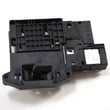
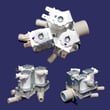
- Example repair-related parts that must match the model: LG washer door lock EBF61315802, drain pump motor, inlet valve
Last updated: January 2026
What is the average lifespan of an LG washing machine?
For an LG washing machine like model WM3250HWA, the typical lifespan is 10 to 14 years with normal household use. The owner’s documentation for this model focuses on operation and maintenance rather than stating a specific service-life number, so this is an industry-average expectation.
What most affects lifespan on WM3250HWA
Good habits reduce wear on the motor, bearings, drain system, and door components:
- Use HE (high-efficiency) detergent to limit oversudsing and residue
- Run the Tub Clean cycle regularly to reduce buildup
- Keep the door seal area dry and allow airflow after loads
- Keep the washer level to reduce vibration during high-speed spin
- Clean the drain pump filter periodically to prevent slow-drain strain
For the model-specific cleaning and care steps (Tub Clean, drain pump filter cleaning, door seal care), use the WM3250HWA owner’s manual.
Simple maintenance schedule (based on this model’s guidance)
- Monthly: Run Tub Clean (empty drum)
- As needed: Wipe the door seal and remove debris after washing
- Periodically: Clean the drain pump filter and drain area
- Periodically: Clean water inlet screens/filters if filling slows
Lifespan expectations by usage
| Usage pattern | Typical lifespan | Common wear areas |
|---|---|---|
| Light (1 to 3 loads/week) | 12 to 14 years | inlet screens, door boot, hoses |
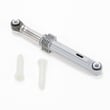
| Average (4 to 7 loads/week) | 10 to 12 years | drain pump, shocks, door lock |
| Heavy (multiple loads/day) | 7 to 10 years | bearings, drain pump, motor components |
Why it matters
Knowing the expected lifespan helps you decide when preventive maintenance is worth doing. For example, if draining slows down, cleaning the filter and addressing a weak pump early can help avoid bigger failures.
Last updated: January 2026