Owner’s manual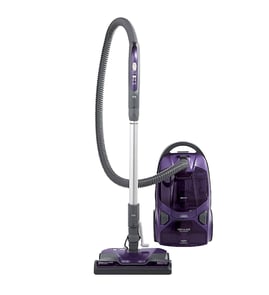


How long do Kenmore canister vacuums last?
Most Kenmore canister vacuums last about 8 to 12 years with normal household use and routine maintenance. For Kenmore model 11621714110, lifespan depends most on keeping airflow clear and staying on schedule with wear items like bags, belts, and filters (all designed to be replaced). See the 11621714110 owner’s manual for the maintenance intervals and care steps.
Typical lifespan by usage
Lifespan changes mainly with hours of run time and how well the vacuum is kept from overheating.
| Usage pattern | Typical lifespan | What usually ends life first |
|---|---|---|
| Light (small areas, 1 to 2 times/week) | 10 to 12 years | Hose/wand wear, switches |
| Average (whole home weekly) | 8 to 10 years | Power head belt/agitator wear, motor strain from clogs |
| Heavy (pets, daily use) | 5 to 8 years | Motor wear, power head components |
What to do to reach the high end of the range
These are the maintenance habits that most directly extend the life of a Kenmore canister vacuum and its PowerMate power head.
- Change the dust bag before it gets packed full (a full bag reduces airflow and runs the motor hotter).
- Replace the motor safety filter and exhaust filter on schedule.
- Clear clogs in the hose, wand, and nozzle as soon as suction drops.
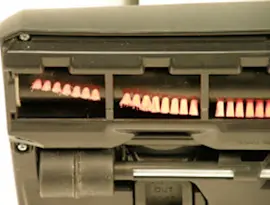
- Keep the agitator/brush roll free of hair and string; clean it regularly.
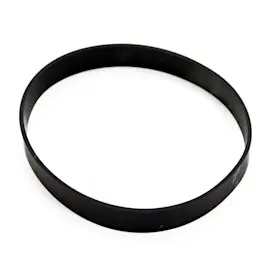
- Replace the power head belt when brush roll speed drops or the belt looks stretched.
- Avoid vacuuming fine drywall dust or ash unless your setup is rated for it; it can overload filters and the motor.
Signs it is near end-of-life (or needs major service)
Use this quick check to decide whether you are looking at routine maintenance or a bigger repair.
- Strong burning smell from the power head or canister
- Vacuum shuts off during use (often overheating from restricted airflow)
- Persistent low suction after bag and filter changes
- Brush roll not spinning even after belt service
- Loud grinding/squealing from the power head or motor area
Why it matters
A canister vacuum like the Kenmore 11621714110 relies on steady airflow for cooling and cleaning performance. When bags, filters, or passages clog, the motor runs hotter and wear accelerates; replacing those expendable items on time is the simplest way to extend service life.
Related DIY help: vacuum repair-guides landing page
Last updated: February 2026
What model is my Kenmore vacuum?
Your Kenmore vacuum’s model number is printed on the Model and Serial Number Plate on the vacuum. For Kenmore model 11621714110, you will also see the full model and serial numbers referenced in the 11621714110 owner’s manual.
Where to find the model and serial number plate
On most Kenmore canister vacuums, the plate is on the canister body (not on the PowerMate). Check these common spots:
- Bottom of the canister near the wheels
- Back or side of the canister housing
- Under the hood or cover area near the dust bag compartment
- Near the cord rewind area (on the canister body)
What to write down (and why)
When you contact support or order parts, we use the complete model and serial numbers to match the correct Kenmore vacuum cleaner parts and diagrams.
- Model number (example format: 116.21714110 or 11621714110)
- Serial number
- Date of purchase (helpful for service history)
Quick reference table
| Item | What it tells us | Used for |
|---|---|---|
| Model number | Exact vacuum design and parts list | Correct parts lookup, diagrams |
| Serial number | Production run details | Service and compatibility checks |
| Date of purchase | Age of the vacuum | Maintenance planning |
If the label is hard to read
Use these practical steps to capture it accurately:
- Wipe dust off the plate with a dry cloth (avoid soaking labels)
- Use your phone camera and zoom in to read small print
- Look for a 3-digit prefix common on Kenmore vacuums (often starts with 116)
- Cross-check the number format in the 11621714110 owner’s manual
Why it matters
Kenmore canister vacuums often share similar looks across multiple models, but belts, filters, hoses, and PowerMate components can vary by model number. Using the exact model number prevents ordering the wrong vacuum parts.
Last updated: February 2026
Who is making Kenmore vacuums now?
Kenmore is a brand name, not a single factory; Kenmore vacuums are made for Kenmore by different manufacturers depending on the model and product line. For your Kenmore canister vacuum model 11621714110, the best way to confirm the manufacturer and supported service details is to check the identification and support information in the 11621714110 owner’s manual.
How to identify the maker for your specific Kenmore model
Use these quick checks on the vacuum and its documentation:
- Look for the model and serial number plate on the canister body (the manual notes this plate is used for service requests).
- Check the brand and corporate contact details printed in the manual.
- Review the repair parts list section referenced in the manual for component identification.
- If you call for help, have the complete model and serial numbers ready.
- Match the model number exactly: 11621714110.
What the manual tells us for model 11621714110
The Use and Care Guide for Kenmore 11621714110 includes a dedicated vacuum help line and instructs you to provide the complete model and serial numbers when requesting information. That is the most reliable path to confirming who manufactured your specific unit and what support applies.
| What you need | Where to find it | Why it helps |
|---|---|---|
| Model number (11621714110) | Model/serial plate on the canister | Identifies the exact product line |
| Serial number | Same plate | Helps date and match production runs |
| Support contact info | Owner’s manual | Connects you to the correct service channel |
Why it matters
Kenmore vacuums can share similar styling across years, but parts, filters, belts, and PowerMate (power head) components can vary by manufacturer and revision. Confirming the maker by model and serial number helps you get the right repair guidance and compatible replacement parts.
Related DIY help
If your question is tied to a repair (brush roll, belt, or power head issues), we use the same model-specific approach: identify the exact configuration first, then follow a proven procedure such as vacuum repair-guides landing page.
Last updated: February 2026
What is the best canister vacuum on the market today?
The “best” canister vacuum depends on your floors, allergies, and budget. For most homes, we see top overall results from premium bagged canisters with sealed filtration (great for carpet and hard floors), while strong mid-priced options focus on easy handling and solid suction. Use your Kenmore 11621714110 features and attachments as a baseline when comparing.
What to compare (the factors that actually matter)
- Filtration: sealed system plus HEPA (best for allergy and fine dust control)
- Bagged vs. bagless: bagged is typically cleaner to maintain; bagless saves on bags but needs more filter care
- Power nozzle performance: brush roll and height adjustment matter for carpet (your PowerMate has suggested height settings)
- Tools and reach: crevice tool, combination brush, floor brush, pet tool, telescoping wand
- Clog and airflow indicators: a “check bag” or airflow indicator helps prevent performance drop
Quick comparison: which type fits your home?
| If you have... | Best match | Why |
|---|---|---|
| Mostly carpet, pets | Canister with powered nozzle | Better agitation and hair pickup |
| Mostly hard floors | Canister with dedicated floor brush | Less scatter, gentler cleaning |
| Allergies/asthma | Sealed, HEPA, bagged canister | Cleaner disposal and filtration |
| Tight budget | Basic bagged canister | Good suction with fewer features |
How your Kenmore 11621714110 stacks up (use this as your checklist)
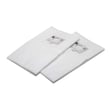
Your Kenmore canister setup includes a PowerMate, telescoping wand, and multiple tools (including pet tools). It also uses a STYLE Q disposable dust bag and a STYLE CF-1 motor safety filter, which are the kinds of maintenance items that strongly affect suction and odor control over time.
Maintenance checks that keep any canister “best”
- Change the dust bag when performance drops or the indicator triggers
- Replace the motor safety filter regularly (it is not washable)
- Match PowerMate height to the carpet to prevent shutoffs and improve pickup
- Clear clogs in the hose, wand, and nozzle path
Why it matters
Two vacuums can have similar suction on paper, but the one that maintains airflow (clean bag, clean filters, no clogs) cleans better day-to-day and protects the suction motor.
For model-specific operation and care details, use the 11621714110 owner’s manual. For broader shopping and repair comparisons, use our vacuum common questions article.
Last updated: February 2026