 Installation guide
 Owner’s manual
 Error Codes



What is the most common problem with a Frigidaire dishwasher?
The most common issue we see with Frigidaire dishwashers like model FMB330RGC0 is poor wash performance (dishes not coming out clean) caused by loading, detergent, water temperature, or a dirty filter and blocked spray action. The good news is these are usually quick checks and fixes using the FMB330RGC0 owner's manual.
Most common symptoms and what they usually mean
- Dishes not clean: filter needs cleaning, spray arm holes blocked, or loading is preventing water from reaching items.
- Water left in tub: a small amount can be normal; standing water can point to a drain restriction.
- Not drying well: rinse aid is empty, hot water is too cool, or a cool-dry setting is being used.
- Won’t start or stops mid-cycle: door not fully latched, or the latch is worn.
- Leaks at the door: items sticking out keep the door from sealing; oversudsing from the wrong detergent can also cause leaks.
Quick checks we recommend first (in order)
- Confirm the door closes firmly and nothing is sticking out past the racks.
- Clean the filter after each wash to remove large food particles (this is a top cause of “not cleaning” complaints).
- Check water temperature at the sink; most dishwashers perform best with hot water around 120°F.
- Use fresh automatic dishwasher detergent (old detergent can leave residue and reduce cleaning).
- Inspect spray arms for clogs and make sure dishes are not blocking rotation.
When it’s likely a part problem
If the basics above check out, these parts commonly affect starting, sealing, and wash results on FMB330RGC0:
| Symptom | Common part to inspect | What it affects |
|---|---|---|
| Won’t start, won’t stay running | Dishwasher door latch 5304535183 | Door switch engagement and cycle start |
| Leaks at the door edge | Dishwasher tub gasket 5304512895 | Door-to-tub seal |
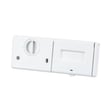
| Detergent not dispensing | Dishwasher detergent dispenser assembly 5304460911 | Detergent release during wash |
Why it matters
Poor cleaning is usually a circulation and chemistry problem (water flow, temperature, detergent, and loading). Fixing those first prevents unnecessary part replacement and restores normal cycle performance.
Last updated: February 2026
What is the average lifespan of a Frigidaire dishwasher?
A Frigidaire dishwasher typically lasts 9 years on average. For your Frigidaire FMB330RGC0 dishwasher, consistent cleaning, correct loading, and using the right cycle options from the FMB330RGC0 owner's manual are the most reliable ways to reach (and often exceed) that typical service life.
Typical lifespan and what to expect
Most built-in dishwashers, including Frigidaire models, fall into a predictable range based on real-world use.
- Typical range: 7 to 10 years
- Common “good run” with solid care: 10 to 13 years
- Heavy use or poor conditions (hard water, frequent overloads): closer to 6 to 8 years
Quick lifespan guide
| Usage pattern | What we typically see | What helps most |
|---|---|---|
| 1 load/day, average water | 8 to 10 years | Filter cleaning, correct detergent |
| 1 to 2 loads/day, hard water | 6 to 9 years | Rinse aid, hot water supply, descaling |
| Light use (few loads/week) | 9 to 13 years | Running cycles regularly, gasket care |
What shortens dishwasher life fastest
These are the most common lifespan killers we see on dishwashers like the FMB330RGC0:
- Hard water scale building up on the pump, spray arm, and heating area
- Clogged filter or sump debris that strains the motor and reduces wash pressure
- Overloading or blocking spray arms, which forces longer, less effective washing
- Door leaks that let moisture reach wiring and components
- Skipping hot water at the sink first, which reduces cleaning and can extend cycle stress
Maintenance that adds years (simple, high impact)
The FMB330RGC0 is designed to wash by spraying hot water and detergent through rotating spray arms; keeping water flow strong is the goal.
- Clean the filter area regularly (food and labels are common culprits)
- Keep spray arm holes clear and make sure arms spin freely
- Use rinse aid when drying and spotting are issues
- Run hot water at the nearest faucet until it is hot before starting a cycle
- Inspect the door seal area for residue; wipe it clean to prevent leaks
Why it matters
Dishwashers usually fail early from restricted water flow (poor cleaning, noisy pump) or leaks (damage to electrical parts). A few minutes of routine care protects the pump motor, spray system, and door sealing surfaces.
Last updated: February 2026
Can I replace dishwasher parts myself?
Yes. On the Frigidaire FMB330RGC0 dishwasher, we can replace many common parts ourselves if we shut off power and water first and follow the step-by-step procedures in the FMB330RGC0 installation guide and FMB330RGC0 owner's manual. Jobs involving wiring, grounding, or water connections require extra care.
Good DIY repairs vs. better-for-a-pro repairs
Many repairs are straightforward, especially when the part is accessible from the door or racks.
- Good DIY: door latch, silverware basket, spray arm hardware, toe/kick panels
- Usually DIY with care: tub gaskets and door sealing surfaces (leaks depend on alignment)
- Better for a pro: electrical troubleshooting, hardwiring issues, persistent leaks at supply/drain connections
Safety steps we follow first
The manuals emphasize safe installation and operation; we treat repairs the same way.
- Turn off power at the breaker (dishwashers use regular house current; grounding matters)
- Shut off the water supply valve
- Wear gloves and safety glasses
- Keep enclosure panels in place during operation; reinstall all panels before testing
- Let the heating element cool before working inside the tub
Parts on this model that are commonly replaced
If your symptom matches, these are typical “first checks” for the FMB330RGC0.
| Symptom | Likely area | Example part for this model |
|---|---|---|
| Door won’t latch or start | Door latch/strike alignment | Dishwasher door latch 5304535183 |
| Leaks at the tub opening | Tub seal surfaces | Dishwasher tub gasket 5304512895 |
| Detergent not dispensing | Dispenser mechanism | Dishwasher detergent dispenser assembly 5304460911 |
Why it matters
DIY replacement can save time and restore cleaning performance, but dishwashers combine 120 V power and water. Following the documented steps helps prevent leaks, protects wiring and grounding, and ensures the unit can be removed later for service.
Last updated: February 2026
What are the commonly replaced parts in a dishwasher?
In a Frigidaire dishwasher like model FMB330RGC0, the most commonly replaced parts are the ones that control starting, sealing, filling, and spraying: door latch and door seals, detergent dispenser, spray arm components, and water-level controls. These parts wear from daily use, heat, and mineral buildup.
Most common dishwasher parts that get replaced
- Door latch and strike components (won’t start if the door won’t latch)
- Door and tub seals (leaks at the bottom or sides of the door)
- Detergent dispenser (soap cup won’t open or won’t dispense)
- Spray arm and spray arm hardware (poor cleaning, low spray pressure)
- Water-level and fill components (overfilling, underfilling, or stopping mid-cycle)
- Drain and circulation components (not draining, noisy operation, weak wash)
Model FMB330RGC0 examples we see replaced often
These are model-matched parts that commonly solve real-world symptoms:
| Symptom | Likely part to check | Example model-matched part |
|---|---|---|
| Dishwasher won’t start or stops when you close the door | Door latch | Dishwasher door latch 5304535183 |
| Soap cup won’t open | Detergent dispenser | Dishwasher detergent dispenser assembly 5304460911 |
| Poor cleaning, food left on dishes | Spray arm or spray arm mount hardware | Dishwasher spray arm 5304461012 |
| Water level issues (fills too much or not enough) | Water-level pressure switch | Dishwasher water-level pressure switch 5304460977 |
| Leaks around the tub opening | Tub gasket | Dishwasher tub gasket 5304512895 |
Quick checks that prevent repeat failures
- Clean the filter assembly regularly; a clogged filter reduces cleaning and can strain the pump.
- Rinse spray arm holes and remove debris that blocks rotation.
- Use the right detergent amount for your water hardness to reduce residue.
- Run hot water at the sink before starting a cycle so the dishwasher fills with hot water.
- Confirm the unit is installed level and fully enclosed as described in the FMB330RGC0 installation guide.
Why it matters
This dishwasher washes by filling to a set level and continuously pumping water through rotating spray arms; when seals leak, the door won’t latch, or spray and filtration are restricted, cleaning performance drops and cycles can stop early. The FMB330RGC0 owner’s manual also outlines filter cleaning and safe care steps that help extend part life.
Last updated: February 2026





