- Kenmore refrigerator water filters
- Whirlpool refrigerator water filters
- Samsung refrigerator water filters
- GE refrigerator water filters
- LG refrigerator water filters
- Frigidaire refrigerator water filters
- KitchenAid refrigerator water filters
- Maytag refrigerator water filters
- Kenmore Elite refrigerator water filters
- Estate refrigerator water filters
- GE Profile refrigerator water filters
- Amana refrigerator water filters
- Bosch refrigerator water filters
- Dacor refrigerator water filters
- Electrolux refrigerator water filters
Top DIY repair help
View All Repair Categories
Appliances
Lawn & Garden
Power Tools
Home Improvement
Sports & Leisure
Heating & Cooling
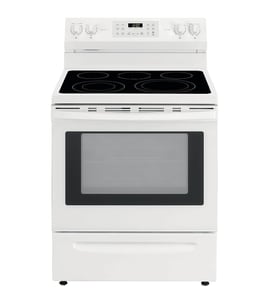
KitchenAid Range Parts — Browse All Models
Need KitchenAid range parts? Sears PartsDirect makes it fast and straightforward to find exactly what fits your model. Enter your range’s model number in the search bar or browse the list of KitchenAid range models below to see detailed parts diagrams. If you’re handling the repair yourself, our DIY range repair help offers step-by-step guidance to get your range working again.


KitchenAid KESO140 electric range oven
 Error Codes
KitchenAid KESO175 electric range oven
KitchenAid KEDO275SS electric range oven
KitchenAid KEBS245SBL0 electric range oven
KitchenAid KESO175S electric range oven
KitchenAid KEDO270 electric range oven
KitchenAid KESO145 electric range oven
Frequently bought KitchenAid parts
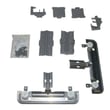
Dishrack Adjuster Kit - Dishwasher Rack Component By Whirlpool
In Stock
$40.47
13% OFF Phone Price : $46.47

Qty

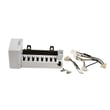
Ice Maker Assembly - Refrigerator Ice Maker By Whirlpool
In Stock
$118.89
9% OFF Phone Price : $130.89
Qty
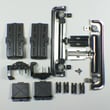
Dishrack Adjuster Kit (w10712394) - Dishwasher Rack Component By Whirlpool
In Stock
$38.64
13% OFF Phone Price : $44.64
Qty
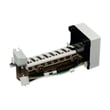
Whirlpool Refrigerator Ice Maker Assembly
In Stock
$105.13
10% OFF Phone Price : $117.13
Qty
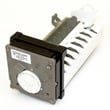
Whirlpool Refrigerator Ice Maker (d7824706q)
In Stock
$98.80
11% OFF Phone Price : $110.80
Qty
Dryer Heating Element Wire Kit
In Stock
$10.72
16% OFF Phone Price : $12.72
Qty
Popular maintenance items for Ranges
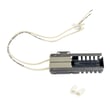
Frigidaire Range Oven Burner Igniter
In Stock
$21.50
22% OFF Phone Price : $27.50
Qty
Whirlpool Range Bake Element
In Stock
$54.57
10% OFF Phone Price : $60.57
Qty

Frigidaire Range Bake Element
In Stock
$22.27
21% OFF Phone Price : $28.27
Qty
G.e. Range Surface Element Control Switch
Part #WB24X25013
Replaced by #WB24X47186
Manufacturer substitution
This part replaces WB24X25013. Substitute parts can look different from the original.
In Stock
$104.50
Qty
Tappan Range Oven Burner Igniter
In Stock
$73.41
8% OFF Phone Price : $79.41
Qty
Frigidaire Range Surface Element Control Switch
In Stock
$40.51
13% OFF Phone Price : $46.51
Qty
Troubleshooting common KitchenAid range problems
Even premium KitchenAid ranges can develop issues over time, from control failures to ignition problems. Before replacing parts, take a few minutes to pinpoint what’s causing the issue.
Gas burner not heating properly
If your gas burner heats unevenly or has a weak flame, check for clogs in the burner ports or misaligned caps. Grease or residue can restrict gas flow. Clean the burner head and orifice thoroughly. If the burner still doesn’t heat correctly, the valve or igniter may need replacement.
Range not working at all
When your range won’t power on, first verify the home circuit breaker hasn’t tripped. If power is reaching the appliance, a blown thermal fuse or failed relay control board could be the cause. Replace any failed components to restore function.
Self-clean not working
If the self-clean cycle doesn’t start or complete, a failed latch motor or door lock assembly may be preventing operation. Inspect the door lock mechanism and replace it if it’s jammed or not engaging properly. You can replace the oven door lock assembly yourself using basic tools.
Commonly replaced KitchenAid range parts
Radiant surface element: This element heats on area of the glass cooktop surface to cook food evenly. If the cooktop has cold spots or one burner won’t heat, the element may be burned out. Replace the radiant surface element to restore even heat distribution.
Spark module: The spark module controls ignition for the surface burners. When several burners stop sparking at once, the module has likely failed. Replace the spark module to bring back reliable ignition.
Oven temperature sensor: The sensor monitors oven heat and communicates with the control board. If the oven runs too hot or too cold, the sensor may not be reading accurately. Replace the oven temperature sensor to restore proper temperature regulation.
Surface igniter electrode: This small part generates the spark that lights the burner. If a single burner won’t ignite while others do, the electrode may be cracked or worn. Replace the surface spark igniter electrode to fix the problem.
LP conversion kit: This kit adjusts the gas orifices to safely run on propane. If you’re switching from natural gas to LP, install an LP conversion kit to maintain proper flame size and performance.
Benefits of using Sears PartsDirect
Sears PartsDirect carries genuine OEM KitchenAid range parts built for your specific model. Using original components ensures perfect fit, safe operation, and long-lasting performance. You’ll find illustrated diagrams and helpful repair resources to guide you through identifying and replacing the right parts.
KitchenAid range FAQs
Why does my KitchenAid gas range keep clicking but not lighting?
Persistent clicking usually means the igniter electrode is wet, dirty, or cracked. Dry the area and clean the burner head; replace the electrode if it’s damaged.
Can I recalibrate the temperature on my KitchenAid oven?
Yes. Most KitchenAid ovens allow temperature calibration through the control panel. Check your model’s settings to adjust it up or down by a few degrees.
Why won’t my KitchenAid oven door open after self-cleaning?
The lock assembly may still be engaged due to heat or a failed latch motor. Wait for the oven to cool completely, then inspect the door lock for mechanical or electrical failure.
How do I find the model number on a KitchenAid range?
You’ll typically find the model number tag inside the oven door frame, on the control panel trim, or behind the lower storage drawer.
Are Whirlpool range parts compatible with KitchenAid ranges?
Because Whirlpool manufactures KitchenAid appliances, some parts may overlap, but always confirm compatibility using your range’s model number before ordering.
Parts & More
Bottom-Mount Refrigerator
Cycling
Electric Range
Front-Engine Lawn Tractor
Gas Grill
Lawn & Garden Engine
Lawn Sweeper
Refrigerator
Side-By-Side Refrigerator
Small Appliance