 Installation guide
 Owner’s manual
 Error Codes
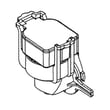


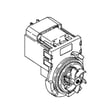
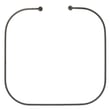

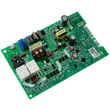
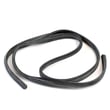


How to fix spray arm on GE dishwasher?
On GE dishwasher model GDF535PGR0CC, most spray-arm problems are fixed by removing the rack, reseating the spray arm so it locks in place, and clearing anything that blocks rotation. If the arm is cracked, warped, or clogged, replacement is the reliable fix (see the GDF535PGR0CC owner’s manual).
Quick checks (no parts needed)
- Turn off power at the breaker before reaching under racks or into the sump area.
- Pull out the lower rack; spin the lower spray arm by hand to confirm it turns freely.
- Re-load so nothing protrudes below the upper rack or basket; items can block the middle spray arm and cause noise or poor cleaning.
- Clear debris from spray-arm holes (toothpick works well); rinse under hot water.
- Confirm the spray arm is fully seated and locked (it should not wobble excessively).
- Run a short cycle and listen for rattling; rattling often means dishes are contacting the arm.
When replacement is the fix
If the spray arm will not stay attached, has stripped mounting tabs, or still will not spin after clearing obstructions, replace the affected arm:
- Lower arm option: GE dishwasher spray arm, lower WD22X33499
- Middle arm option: GE dishwasher spray arm, middle WD22X33498
What you’ll notice by symptom
| Symptom | Most common cause | What to do |
|---|---|---|
| Arm hits dishes, loud ticking | Loading interference | Reposition items so nothing blocks rotation |
| Poor cleaning on one rack | Clogged spray holes | Clean holes; verify free spin |
| Arm falls off or wobbles | Worn hub or damaged arm | Replace the spray arm |
| Detergent not dissolving well | Water flow blocked by dishes | Re-load so spray can flush the dispenser area |
Why it matters
A spray arm that cannot rotate or spray evenly reduces wash pressure, leaves soil behind, and can create rattling noises during operation. Keeping the arm clear and properly seated restores normal wash performance.
Last updated: February 2026
What is the most common problem with GE dishwashers?
On the GE GDF535PGR0CC dishwasher, the most common issues we see are draining problems (water left in the tub), poor cleaning from restricted spray, and “won’t start” symptoms caused by a door-latch or control-related interruption. Many of these are fixed with basic cleaning, correct detergent use, and a reset.
Most common symptoms and what they usually point to
- Not draining or standing water: clogged filter area, blocked drain path, or a failing drain pump
- Not cleaning well: clogged spray arm holes, loading that blocks spray, or low water flow
- Won’t start or stops mid-cycle: door not latching fully, control sensing an issue, or power interruption
- Suds/foam in the tub: wrong detergent (hand soap or non-dishwasher detergent)
- Leaks at the door: worn or mis-seated door gasket
For model-specific operating and troubleshooting steps, follow the GDF535PGR0CC owner’s manual.
Quick checks you can do first (no parts needed)
- Use the right detergent: only automatic dishwasher detergent; wrong detergent causes suds and poor wash performance.
- Check loading: keep tall items from blocking the detergent dispenser and spray paths.
- Clean and deodorize: periodic cleaning helps remove mineral film and odors.
- Power reset: turn the dishwasher off at the breaker for 1 minute, then restore power and try a cycle.
When a part is the likely fix
| Problem you notice | Common part involved | What it does |
|---|---|---|
| Water won’t drain | Dishwasher drain pump WD19X25461 | Pumps water out to the drain hose/disposal |
| Dishes not getting clean | GE dishwasher spray arm, lower WD22X33499 | Spins and distributes wash water across the lower rack |
| Won’t start unless you push the door | Door latch WD01X29878 | Confirms the door is closed so the cycle can run |
| Leaks at the door edge | Dishwasher tub gasket WD08X23476 | Seals the tub opening to prevent drips |
Why it matters
Drain, spray, and latch problems can make a dishwasher look “dead” or ineffective even when it has power. Fixing the root cause protects the wash pump, prevents odors from standing water, and improves cleaning results.
Last updated: February 2026
How to fix leaking GE Cafe dishwasher corner baffle replacement?
On GE dishwasher model GDF535PGR0CC, a leaking corner baffle is typically fixed by removing the old baffle, cleaning the tub corner sealing surface, then pressing the new baffle fully into place so it seats evenly and restores the door-side water barrier.
Before you start (safety and prep)
- Turn off power at the breaker before working around the door and tub edge.
- Pull the lower rack out for better access to the tub corners.
- Wipe the corner area dry so you can see the sealing surface clearly.
- Remove any soap film, grease, or debris where the baffle seats.
- Inspect the door seal and tub lip for nicks, warping, or buildup.
Corner baffle replacement steps
- Open the door and locate the leaking corner baffle at the tub corner.
- Pull the old baffle straight out (work slowly so you do not tear surrounding rubber).
- Clean the corner channel and tub surface; remove residue so the new baffle can grip.
- Align the new baffle with the corner and slide it into position.
- Press firmly along the full length until it is fully seated and flush.
- Close the door and confirm it latches smoothly without rubbing.
Leak check after the repair
Use the wet test procedure in the installation guide. Key checks:
- Start a cycle and confirm the door is fully latched.
- Look for leaks under the dishwasher first.
- Then check for leaks around the door perimeter.
- If the door is rubbing adjacent cabinets, reposition the dishwasher to stop door leaks.
| What you see | Most likely cause | What to do |
|---|---|---|
| Leak at one corner only | Baffle not fully seated or sealing surface dirty | Reseat baffle; reclean corner and press in evenly |
| Leak along bottom edge | Door seal/tub gasket issue | Inspect and clean the seal; check for damage |
| Water splashes near right side on first use | Air in supply line after valve was closed | Run another cycle; recheck for leaks |
Why it matters
A properly seated corner baffle helps keep wash water inside the tub during high-pressure spray. If it is loose or the corner is dirty, water can track past the door edge and look like a door seal failure.
Last updated: February 2026
What is the average lifespan of a GE dishwasher?
Most GE dishwashers, including model GDF535PGR0CC, typically last 10 to 12 years with normal household use. Consistent cleaning, correct detergent use, and fixing small leaks or drain issues early are what most often push a dishwasher toward the longer end of that range.
What affects lifespan the most
- Water quality: hard water speeds up mineral buildup on the tub, spray arms, and heating system
- Cleaning and maintenance: routine interior cleaning reduces odors and film
- Loading habits: overloading blocks spray and strains the wash pump
- Detergent and rinse aid: using dishwasher-approved products helps prevent residue and wear
- Early repairs: replacing a worn seal, latch, or pump prevents bigger failures
Maintenance that helps a GE dishwasher reach 10 to 12 years
Follow the care and cleaning guidance in the GDF535PGR0CC owner's manual. Practical habits that make the biggest difference:
- Run a dishwasher cleaner or citric-acid cleaning cycle a few times per year (more often with hard water)
- Keep the door area clean so the gasket seals well
- Make sure the lower spray arm spins freely and is not blocked by tall items
- Use rinse aid to improve drying and reduce film buildup
- Address slow draining quickly (standing water stresses the drain system)
Common “end-of-life” symptoms and what they usually point to
| Symptom | Most common cause area | Typical fix type |
|---|---|---|
| Not draining | Drain path or drain pump | Clean blockage or replace pump |
| Not cleaning well | Spray arms, sump, wash pump | Clean or replace worn parts |
| Not drying | Heating circuit, rinse aid use | Adjust settings or repair heat system |
| Won’t start or stops mid-cycle | Door latch, control, error code | Check latch, then diagnose codes |
If you see a code or flashing lights, use the GE electronic dishwasher error codes guide to narrow the failure to a system (drain, fill, heat, or control).
Why it matters
A dishwasher that is maintained and repaired early usually costs less to keep running and avoids secondary damage (like leaks affecting the door seal, wiring, or flooring). Small fixes often extend usable life by years.
Last updated: February 2026





