 Owner’s manual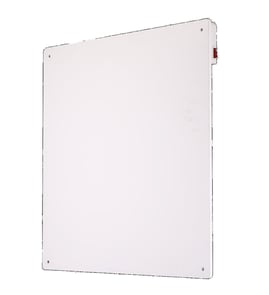

Do wall mounted heaters use a lot of electricity?
For the Williams 3003622 wall furnace, electricity use is typically low because the heater itself runs on gas; it only uses electricity if your unit has the optional blower (fan). If you are comparing to electric wall heaters, those can use a lot of electricity because they heat using electric resistance.
What this means for the Williams 3003622
The manual explains that no electric power is required unless the furnace is equipped with an optional blower accessory. Use the owner's manual to confirm whether your specific installation includes the blower and how it is wired.
Typical electricity use by heater type
| Heater type | What powers the heat | Typical electricity draw | What drives your cost |
|---|---|---|---|
| Gas wall furnace (like Williams 3003622) | Natural gas or LP gas | Very low (controls only), higher only with blower | Mostly gas usage; blower adds a small electric load |
| Electric wall heater | Electricity | Commonly 750 to 1,500 watts (or more) while heating | Run time and your electric rate |
Quick ways to tell if your heater is using electricity
- Look for a fan/blower switch or fan noise during operation.
- Check for a nearby electrical junction box and a dedicated 115V supply feeding the heater.
- Verify the circuit breaker label (some installs share a circuit with other loads).
- If you have a thermostat, confirm whether it is low-voltage or line-voltage.
- Use a multimeter to confirm power at the blower circuit (power off first).
Why it matters
If your Williams 3003622 is gas-only (no blower), your heating cost is driven mainly by gas consumption, not electric usage. If it has the blower kit, the fan can improve warm-air circulation, but it adds some electrical use.
Last updated: February 2026
Can I leave a wall heater on all the time?
Yes, a properly installed Williams wall furnace model 3003622 can run for long periods during the heating season, but we recommend you only run it when needed and never ignore safety clearances. Keep combustibles away, keep the burner area clean, and follow the operating guidance in the 3003622 owner's manual.
When it is OK to run it continuously
If your 3003622 is operating normally and venting correctly, longer run times are typical in cold weather. Continuous operation is most appropriate when:
- The thermostat is controlling the heat (not manually forcing constant heat)
- Airflow around the cabinet is unobstructed
- The burner and control compartment are kept clean
- Nothing combustible is stored near the furnace
- The unit has not been exposed to water
Safety checks we recommend before extended run time
Use this quick checklist to reduce nuisance shutdowns and safety risks:
- Verify the area around the furnace is clear of clothing, furniture, and other combustibles
- Confirm the front grille and air passages are not blocked by dust or lint
- At the start of each heating season, clean the burner area and control compartment as outlined in the manual
- If your unit has an optional blower, make sure it is running smoothly and not noisy
- If any part of the heater has been under water, stop using it and have it inspected by a qualified technician
What “all the time” really means (practical guidance)
Most homeowners do best with thermostat-controlled operation rather than constant high output.
| Goal | Best setting approach | Why |
|---|---|---|
| Steady comfort | Set a consistent thermostat temperature | Avoids wide temperature swings |
| Lower fuel use | Set back a few degrees when asleep or away | Reduces total run time |
| Fewer service issues | Keep compartments clean and unobstructed | Helps maintain proper combustion and airflow |
Why it matters
Wall furnaces produce high surface temperatures, and the manual specifically warns to keep children, clothing, furniture, and any combustible material away. Running the heater longer increases the importance of clearances, cleanliness, and correct operation.
Last updated: February 2026
Where is the reset button on an electric wall heater?
Most electric wall heaters have a small manual reset on the high-limit safety switch, usually behind the front grille or inside the blower compartment near the fan housing. On the Williams 3003622 wall furnace, the manual focuses on gas operation; use the owner's manual to identify any blower-kit wiring and access panels before you open the unit.
Where to look on a typical electric wall heater
In many fan-forced electric wall heaters, the reset is a small red (or black) button on the high-limit switch. Common locations include:
- Behind the front cover or grille, near the top of the heater box
- On or near the blower housing, close to the blower motor
- Near the heating element compartment (often behind an internal shield)
- Next to the wiring junction area where the supply wires enter
Williams 3003622 specifics (important)
The Williams 3003622 is a gas wall furnace that can be equipped with an optional blower kit; it is not an all-electric wall heater. That means:
- There typically is not a universal “reset button” like many electric wall heaters use
- If your unit has a blower, the troubleshooting path often starts with power supply and fuse checks
- The furnace heat itself is controlled by the gas valve and thermostat circuit, not an electric heating element
Quick check table
| What you have | What a “reset” usually means | What to check first |
|---|---|---|
| Electric wall heater | High-limit manual reset button | Airflow blockage, dirty blower, overheated limit |
| Williams 3003622 gas wall furnace (no blower) | No electric reset; gas safety/lighting steps | Pilot lighting steps, thermostat setting |
| Williams 3003622 with blower kit | Blower may stop from electrical issue | Fuse, power to blower, wiring connections |
Safe steps before you open the heater
- Turn the thermostat to the lowest setting
- Turn off electrical power to the heater circuit (if a blower is installed)
- Let the cabinet cool completely; surfaces can be hot during operation
- Remove the front panel carefully and keep screws/fasteners organized
- Restore power only after panels are back in place
Why it matters
A tripped limit (electric heaters) or repeated shutdown (gas furnaces) is usually caused by restricted airflow, incorrect settings, or an electrical supply issue to the blower. Finding the correct access panel and wiring layout prevents damage and helps you troubleshoot efficiently.
Last updated: February 2026
How long will a 20lb propane tank last on a wall heater?
A 20 lb propane tank typically runs a wall heater for about 10 to 25 hours depending on the heater’s BTU input and whether it runs continuously or cycles on a thermostat. For a Williams 3003622 wall furnace, first confirm the gas type on the rating plate so you are calculating for the correct fuel.
Step 1: Confirm your heater is set up for propane
Before estimating propane runtime, verify the unit is actually configured for LP (propane):
- Check the rating plate for “LP/propane” or “Natural”
- Confirm the orifice and regulator match the fuel type
- Make sure the gas supply pressure matches the rating plate requirements
- If anything does not match, have a qualified technician correct the setup before operating
Fuel type and setup details are covered in the owner's manual.
Step 2: Use the quick math (propane)
A full 20 lb propane cylinder contains about 430,000 BTU of energy.
- Estimated hours = 430,000 ÷ (heater input BTU per hour)
- Continuous burn gives the shortest runtime
- Normal thermostat cycling usually increases runtime
Typical examples
| Heater input (BTU/hr) | Estimated runtime (20 lb tank) |
|---|---|
| 18,000 | ~24 hours |
| 25,000 | ~17 hours |
| 30,000 | ~14 hours |
| 40,000 | ~11 hours |
What changes the result in real homes
- Thermostat setting and how often the burner cycles
- Outdoor temperature and wind (higher heat loss increases run time)
- Insulation, drafts, and room size
- Burner condition (dirty burner can reduce efficiency)
Why it matters
A solid runtime estimate helps you avoid running out of fuel overnight and can also highlight problems like excessive heat loss or an incorrect gas setup.
Last updated: February 2026