Installation guide
 Owner’s manual
 Error Codes

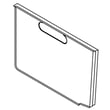
How to remove bottom grill from KitchenAid refrigerator?
On the KitchenAid KBRC36FTS00 bottom-mount refrigerator, the bottom grille (base grille or toe-kick area) typically pulls straight off once it is released from its mounting points. For the correct grille style and fit details for your installation, follow the base grille steps in the installation guide.
What to do (safe, quick steps)
- Unplug the refrigerator or switch power off if you will be working near wiring.
- Open the refrigerator doors for better access.
- Grip the base grille near both ends.
- Pull straight outward to release the grille from the clips.
- If it will not release, check for screws along the top edge of the grille and remove them.
- Set the grille on a soft surface to prevent scratches.
Reinstalling the bottom grille
Most built-in KitchenAid base grilles use a two-piece setup (base grille plus an optional skirt). The skirt is used to extend the grille closer to the floor.
| Part | What it does | Fit check |
|---|---|---|
| Base grille | Covers the lower machine compartment and allows airflow | Should sit flush and snap in evenly |
| Skirt (if used) | Extends the grille downward for a custom look | Requires a minimum gap under the grille (per install instructions) |
If the grille is stuck
- Look for paint, caulk, or flooring that is pinching the grille.
- Pull evenly from both ends; twisting can bind the clips.
- Verify the refrigerator is level; a tilted cabinet can make the grille bind.
Why it matters
The base grille protects the lower compartment while still allowing airflow for the condenser area. Removing it the right way prevents broken clips and helps you access cleaning and service areas without cosmetic damage.
Last updated: February 2026
What are the disadvantages of a bottom freezer refrigerator?
Bottom-freezer refrigerators like the KitchenAid KBRC36FTS00 keep fresh food at eye level, but the tradeoffs are real: you bend more for frozen items, the freezer drawer can feel heavy when loaded, and drawer slides and seals can wear faster if the freezer is used constantly.
Common disadvantages (what you will notice day to day)
- More bending for frozen food: The freezer is low, so frequent freezer use is less convenient.
- Heavier access: A fully loaded pull-out freezer drawer takes more effort to open and close.
- Drawer organization can be limiting: Deep bins can hide items; you may need baskets or dividers to stay organized.
- More wear on moving parts: Freezer drawer slides, baskets, and door gaskets see more stress over time.
- Potentially higher purchase and repair costs: Bottom-mount designs often use more complex drawer hardware and airflow components.
Parts that commonly take the most stress
If the freezer drawer is hard to open/close or does not seal well, these areas usually matter most:
- Door gasket alignment and cleanliness (sticky gaskets make doors feel “hard to open”)
- Drawer slides and basket rails (binding, sagging, or misalignment)
- Airflow paths (blocked vents can make temperatures run warm)
| Disadvantage | Most common cause | What to do first |
|---|---|---|
| Freezer drawer feels heavy | Overloaded drawer, rails binding | Reduce load; check rails for obstructions |
| Temps run warm after frequent opening | Door open time, blocked vents | Keep trips short; clear vents |
| Door/drawer will not close fully | Packages or bins out of position | Re-seat bins and baskets; reorganize |
| Doors feel hard to open | Dirty or sticky gasket | Clean gasket with nonflammable cleaner |
Why it matters
Bottom-mount refrigerators depend on steady airflow between compartments; when vents are blocked or doors are opened often, temperatures can drift warmer and recovery can take hours. Keeping vents clear and drawers aligned helps protect food quality and reduces strain on fans and controls.
Helpful references for your model
- Use the owner's manual for airflow guidance, control settings, and troubleshooting steps specific to the KBRC36FTS00.
- Use the installation guide for leveling and door adjustment tips that help drawers close smoothly and seal correctly.
Last updated: February 2026
What is the most common problem with KitchenAid refrigerators?
The most common issues we see on KitchenAid refrigerators like model KBRC36FTS00 are ice maker and water system problems (slow or no ice, weak water flow) and cooling/temperature complaints (warm fridge, frost buildup, or noisy operation). These symptoms often trace back to airflow, filtration, or fan-related parts.
Most common symptoms and what usually causes them
- Ice maker not making ice or making small cubes: restricted water supply, clogged filter, or ice maker component wear
- Water dispenser slow or sputtering: air in the water line after a filter change, or a partially blocked filter
- Fridge too warm or freezer too warm: poor airflow from an evaporator fan issue or heavy frost from a defrost/drain problem
- Unusual humming, rattling, or buzzing: fan blade interference, failing fan motor, or vibration from the machine compartment area
- Water under the refrigerator: defrost drain restriction or condensation management issues
Quick checks you can do first (no tools)
- Confirm temperature settings and allow 24 hours after any adjustment.
- Make sure vents inside the refrigerator and freezer are not blocked by food packages.
- If water flow changed recently, replace the filter and purge air from the system.
- Listen for the evaporator fan; it should run when the unit is cooling.
- Clean dust from the condenser area (dirty coils commonly cause warm temps and longer run times).
Parts that commonly relate to these problems on KBRC36FTS00
| Symptom | Common part to check | Example part on this model page |
|---|---|---|
| Weak water flow, slow ice | Water filter and cap fitment | Refrigerator water filter EDR3RXD1, refrigerator water filter cap (black) WP2260518B |
| Warm temps, noise, frost patterns | Evaporator fan airflow | Refrigerator evaporator fan motor W11671461, refrigerator evaporator fan blade WP2169142 |
| Ice maker not cycling | Ice maker assembly | Refrigerator ice maker WPW10277450 |
| Temperature swings | Sensor/thermistor | Refrigerator temperature sensor WP2188820 |
Why it matters
Ice maker and cooling complaints are often connected; restricted water flow can reduce ice production, and poor airflow can cause temperature swings that affect ice harvest and food safety. Catching a fan or filter issue early also helps prevent longer run times and excess frost.
Helpful how-to guidance
For step-by-step filter replacement and reset tips, follow our owner's manual and the DIY article how to replace the water filter in a KitchenAid refrigerator.
Last updated: February 2026