Owner’s manual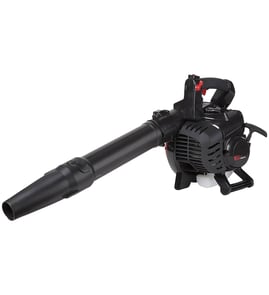







Why are gas-powered leaf blowers bad?
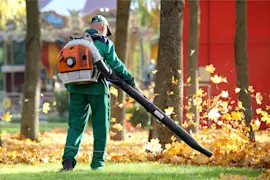
Gas-powered leaf blowers like the Craftsman 358794944 are often considered “bad” because they can be loud, create dust and flying debris hazards, and expose the operator to vibration during prolonged use. Used carelessly, the air stream can also throw rocks and sticks that can injure people or damage property.
The biggest downsides (and what you can do about them)
- Noise: Running at high throttle increases noise; we recommend using the lowest throttle that still gets the job done.
- Airborne dust and debris: Blowers can kick up dust; lightly dampen dusty surfaces when possible.
- Safety risk from thrown objects: The air stream can launch rocks, dirt, and sticks; always clear the area first and blow away from people, pets, windows, and vehicles.
- Vibration exposure: Prolonged use of gasoline-powered hand tools can contribute to numbness or pain in hands and fingers; take breaks and stop if symptoms occur.
- Fire and fuel handling concerns: Gasoline vapors and improper storage increase risk; empty the fuel system before long storage periods.
Safe-use checklist for the Craftsman 358794944
We follow these steps to reduce the common complaints and risks:
- Wear eye protection and keep bystanders away
- Inspect the area and remove hard objects (rocks, glass, wire)
- Keep tubes and air intake clear; check only with the engine off and spark plug disconnected
- Use the full nozzle extension so the air stream works close to the ground
- Avoid forcing the unit into piles (helps prevent clogs when vacuuming)
Quick comparison: common concerns vs. practical fixes
| Concern people mention | What helps in real use |
|---|---|
| “It’s too loud” | Use the lowest effective throttle; limit run time |
| “It makes a dust cloud” | Dampen dusty areas; blow low and close to the ground |
| “It feels unsafe” | Clear the area first; direct debris away from people and glass |
| “My hands go numb” | Take breaks; keep warm in cold weather; stop if symptoms appear |
Why it matters
Most complaints about gas blowers come down to noise, debris control, and safe operation. Following the safety rules in the owner's manual helps you reduce nuisance issues while also preventing injuries and property damage.
Last updated: February 2026
What is the life expectancy of a gas leaf blower?
A gas leaf blower typically lasts about 10 years with normal homeowner use and consistent maintenance. For the Craftsman 358794944 2-cycle blower/vac, using the correct fuel mix, keeping the fuel system clean, and storing it properly are the biggest factors in reaching that lifespan (or longer); see the 358794944 owner's manual.
What affects lifespan the most
- Fuel quality and mix: Use fresh unleaded gasoline mixed with 2-cycle oil at the specified ratio.
- Storage habits: For storage of 30 days or longer, empty the fuel system to prevent fuel-related damage.
- Airflow and cooling: Keep the unit clean so it does not overheat.
- Wear items: Spark plug and air cleaner are normal wear parts and may need replacement during the blower’s life.
- Fuel system condition: Cracked fuel lines or a restricted fuel filter shorten engine life.
Maintenance basics for Craftsman 358794944
The operator’s manual for this model calls out key practices that directly protect the engine and fuel system.
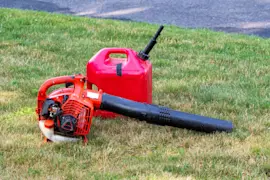
- Mix fuel at 40:1 (3.2 oz 2-cycle oil per 1 gallon unleaded gasoline)
- Avoid automotive oil or marine oil in the mix
- If storing 30+ days: drain the tank, then run the engine until the fuel lines and carburetor are empty
- Handle fuel safely and wipe up spills before starting
Common parts that help extend service life
If you are seeing hard starting, surging, or fuel leaks, these model-compatible parts are common fixes:
| Symptom | Likely area | Part to check |
|---|---|---|
| Fuel smell, wet lines, won’t stay running | Fuel line | Fuel line, small 530069247 or fuel line, large 530069216 |
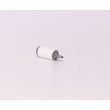
| Starts then dies, weak throttle response | Fuel delivery restriction | Engine fuel filter 530095646 |
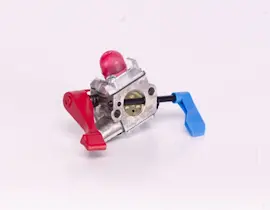
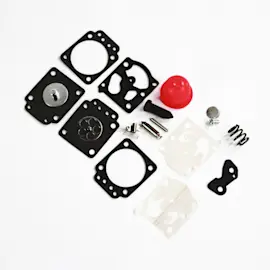
| Runs poorly, won’t tune, flooding | Carburetion | Carburetor 530071775 |
Why it matters
Most “short lifespan” complaints on gas blowers come from fuel breakdown during storage and neglected fuel-system maintenance. Keeping fresh 40:1 mix in the tank and draining the system for long storage prevents the most common internal damage.
Last updated: February 2026
Who makes Craftsman leaf blowers?
Craftsman is a brand name used on leaf blowers that have been manufactured for Craftsman by different companies over the years. For your Craftsman model 358794944, the most reliable way to identify the original manufacturer and exact specifications is to reference the model’s documentation and parts list in the owner's manual.
How to identify the maker for model 358794944
We use the model number and the parts breakdown to match the unit to its production source and compatible replacement parts.
- Confirm the model number exactly as 358794944 (often shown with a dot as 358.794944)
- Check the manual cover and parts list section for the unit identification
- Match engine and fuel system parts (carburetor, fuel lines, fuel filter) to the parts list
- Use the parts diagrams to confirm assemblies before ordering
- Keep the manual’s publication info with your records for future part lookups
What we can confirm from the documentation
The operator’s manual for this unit identifies it as a Craftsman 25cc (1.5 cu. in.) 2-cycle gasoline powered blower/vac, rated 200 MPH / 400 CFM. It also specifies a 40:1 fuel mix using 2-cycle air-cooled engine oil. These details help narrow down the correct parts and service procedures even when the underlying manufacturer name is not the focus.
Quick reference (from the manual)
| Item | Spec for 358794944 |
|---|---|
| Engine type | 2-cycle, air-cooled |
| Displacement | 25cc (1.5 cu. in.) |
| Performance rating | 200 MPH / 400 CFM |
| Fuel mix | 40:1 (3.2 oz oil per 1 gal unleaded gas) |
Why it matters
Knowing who physically built a Craftsman blower is less important than matching the exact model number and correct part IDs. That is what ensures the carburetor, fuel lines, and other engine parts fit and perform correctly.
Last updated: February 2026
What is the best gas-powered leaf blower on the market?
The “best” gas-powered leaf blower depends on whether you want maximum power, easier handling, or the best value. For Craftsman model 358794944, our focus is keeping your blower running at its rated 200 MPH/400 CFM with the right fuel mix, maintenance, and replacement parts listed in the 358794944 owner's manual.
How to choose the best gas leaf blower for your needs
We recommend comparing these factors first:
- Type: handheld vs. backpack (backpack is best for long sessions)
- Air volume (CFM): higher moves more leaves at once
- Air speed (MPH): higher helps lift wet or stuck debris
- Weight and balance: reduces fatigue and improves control
- Noise and run time: important for neighborhoods and larger yards
Quick comparison: what “best” usually means
| If you want... | Look for... | Typical fit |
|---|---|---|
| Maximum cleanup speed | High CFM + high MPH | Backpack blower |
| Less fatigue | Lower weight, good harness | Backpack blower |
| Easy maneuvering | Lighter weight, compact size | Handheld blower |
| Best value | Proven reliability, easy parts support | Handheld or entry backpack |
Getting top performance from your Craftsman 358794944
Even a great blower feels weak if fuel or airflow is off. For this 2-cycle model, we use these basics:
- Mix fresh unleaded gasoline with synthetic 2-cycle air-cooled engine oil at 40:1 (3.2 oz oil per 1 gallon gas)
- Avoid automotive oil or marine oil; they can damage the engine
- For storage of 30 days or longer, drain the tank and run the engine until the fuel lines and carburetor are empty
- Replace cracked or soft fuel lines to prevent air leaks and fuel starvation
Parts that commonly restore power and reliability
If your blower surges, stalls, or won’t stay running, these model-compatible parts are common fixes:
- Poulan lawn & garden equipment fuel line, small 530069247
- Ayp lawn & garden equipment fuel line, large 530069216
- Craftsman lawn & garden equipment engine fuel filter 530095646
- Carburetor 530071775
Why it matters
Choosing the “best” blower is only half the equation; consistent performance comes from correct 2-cycle fueling, clean fuel delivery, and tight fuel lines. That is what keeps your Craftsman 358794944 delivering strong airflow when you need it.
Last updated: February 2026
Are gas leaf blowers being phased out?
Yes. Gas leaf blowers, including the Craftsman 358794944, are being phased out in many areas through local rules that limit when they can be used or restrict new sales, mainly due to noise and emissions concerns. The exact timeline depends on your city or county.
What “phased out” usually means
Most policies fall into one of these categories:
- Use restrictions: limited hours, seasonal limits, or noise limits
- Equipment restrictions: limits on certain engine types or older 2-cycle units
- Sales restrictions: limits on selling new gas-powered outdoor equipment
- Commercial-only rules: different requirements for landscapers vs. homeowners
- Enforcement by complaint: rules triggered by noise complaints
How to stay compliant and reduce complaints
The operating guidance for this Craftsman blower already emphasizes considerate use. We recommend:
- Operate only at reasonable hours and follow local ordinances
- Use the lowest throttle that still gets the job done
- Use rakes or brooms first to loosen debris
- Slightly dampen dusty areas to reduce airborne dust
- Aim debris away from people, pets, open windows, and vehicles
For model-specific operating and safety guidance, use the 358794944 owner's manual.
If you keep using a gas blower, maintenance matters
Good maintenance helps reduce smoke, rough running, and hard starting, which also helps keep noise and emissions down.
Common upkeep items for this model include:
- Replace cracked or soft fuel lines (small: fuel line, small 530069247, large: fuel line, large 530069216)
- Replace a restricted in-tank filter (engine fuel filter 530095646)
- Use fresh fuel mixed at the oil-to-gas ratio specified for your unit
- For storage, drain the tank and run the engine until the fuel lines and carburetor are empty (a standard step for 2-cycle blowers)
Quick reference: fuel and storage
| Topic | What to do | Why it helps |
|---|---|---|
| Fuel mix | Follow the ratio listed in your manual | Prevents engine damage and excess smoke |
| Storage (30+ days) | Drain tank; run engine until it stops | Helps prevent varnish and fuel-system clogging |
Why it matters
Phase-outs are usually enforced locally, but correct operating habits and proper fuel and storage practices keep your Craftsman 358794944 running cleaner and quieter, and they reduce the chance of nuisance complaints.
Last updated: February 2026