Error Codes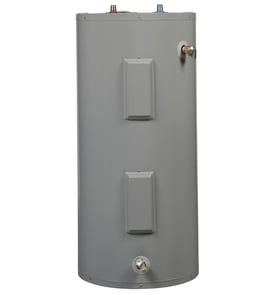


What is the downside of a hybrid water heater?
Hybrid (heat pump) water heaters can cost more up front and need more space, airflow, and a place to drain condensate than a standard electric tank like the Kenmore 153320850HT. They can also be noisier and lose efficiency in cold locations, which can affect comfort and operating cost.
Common downsides to plan for
- Higher purchase price than a standard electric water heater
- Larger footprint and clearance needs (for airflow around the unit)
- Fan and compressor noise (similar to a dehumidifier)
- Condensate water that must drain to a floor drain, sump, or condensate pump
- Slower recovery in heat pump only mode (hot water can run out sooner during heavy use)
- More complex components, which can increase repair cost compared to basic electric models
How hybrid vs standard electric compares
| Feature | Hybrid (heat pump) water heater | Standard electric tank (like 153320850HT) |
|---|---|---|
| Upfront cost | Higher | Lower |
| Space and airflow | Needs more | Needs less |
| Noise | Noticeable | Quiet |
| Cold-area performance | Can drop | Steady |
| Maintenance/repairs | More complex | Simpler |
Why it matters
A hybrid water heater saves energy by pulling heat from the surrounding air, so installation conditions matter. If the unit is in a small closet, a cold basement, or a tight utility room without good airflow and a drain, the efficiency and comfort benefits shrink and the “downsides” become more noticeable.
If you are troubleshooting hot water issues on the 153320850HT
If your goal is better performance from your current Kenmore power miser 10+ electric water heater, start with the basics that most often cause “not enough hot water” complaints:
- Verify both thermostats are set correctly and evenly
- Check for a failed lower heating element
- Look for a leaking drain valve or fittings that waste hot water
- Confirm power is correct at the heater before replacing parts
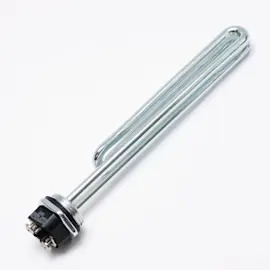
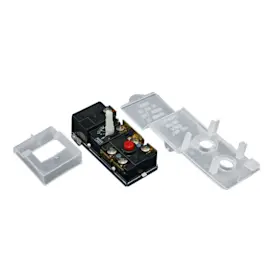
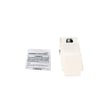
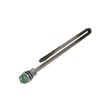
If you suspect a control or heating problem, these model-matched parts are common fixes: thermostat 100108683, lower element 100108796.
Last updated: January 2026
What's the average cost to replace a 50 gallon electric water heater?
Replacing a 50-gallon electric water heater like the Kenmore 153320850HT typically runs $800 to $2,500 installed (tank plus labor). Costs land on the low end when it is a straightforward swap; they rise when electrical upgrades, permits, or a higher-efficiency unit are involved.
What usually makes the price go up
- Heater type/efficiency: standard electric tank vs. high-efficiency hybrid heat pump
- Labor rates in your area and whether it is an emergency or scheduled install
- Permit and inspection requirements (common for water heater replacement)
- Electrical work (new breaker, wiring, disconnect, bonding, or bringing to current code)
- Plumbing modifications (shutoff valve, expansion tank, new piping, pan, or drain routing)
- Haul-away/disposal of the old tank
Typical cost breakdown (installed)
| Cost item | Typical range | Notes |
|---|---|---|
| 50-gallon electric tank (standard) | $400 to $1,000 | Brand and warranty length drive price |
| Hybrid heat pump water heater | $1,200 to $3,000 | Higher upfront cost, lower operating cost |
| Installation labor | $300 to $1,200 | More if access is tight or code updates are needed |
| Permit/inspection | $50 to $300 | Varies by city/county |
| Common add-ons | $50 to $600 | Pan, shutoff valve, expansion tank, connectors |
When repair makes more sense than replacement
If your Kenmore 153320850HT is otherwise in good shape, a targeted repair can restore hot water for much less than a full replacement. Common service parts for heating and temperature control include:
- Thermostat 100108683 (upper thermostat)
- Thermostat 100108421 (lower thermostat)
- Lower element 100108796 (heating element)
- Water heater heating element gasket 100108379 (seal used when servicing an element)
Why it matters
A correct replacement estimate helps you decide between repairing a failed thermostat or element versus investing in a new 50-gallon tank. It also prevents surprise costs from permits, electrical updates, and required safety accessories.
Last updated: January 2026
What is the longest lasting electric water heater?
The longest-lasting electric water heaters are typically non-metallic tank designs (often fiberglass or polymer-lined) because they resist internal tank corrosion that ends most standard steel-tank heaters. For your Kenmore 153320850HT power miser 10+ electric water heater, keeping thermostats and heating elements in good shape helps you get full service life.
What “longest lasting” means for electric water heaters
Most electric water heaters fail due to tank corrosion or leaks, not because the thermostat or heating element wears out first. That is why tank material and corrosion protection matter more than brand name alone.
Common longevity drivers:
- Tank construction (non-metallic tanks generally last longer than steel tanks)
- Water chemistry (hard water accelerates scale buildup)
- Temperature setting (higher temps increase stress and scale)
- Maintenance (periodic draining/flushes reduce sediment)
- Correct electrical control (stable thermostat operation prevents overheating)
Typical life expectancy by type
| Electric water heater type | Typical lifespan | Why it lasts (or not) |
|---|---|---|
| Standard steel tank (glass-lined) | 10 to 15 years | Corrosion eventually wins once protection is compromised |
| Premium corrosion-resistant designs (non-metallic tank) | 20+ years | Tank does not rust like steel |
| Heat pump water heater | 10 to 15 years | More components; tank life still matters |
How to maximize lifespan on Kenmore 153320850HT
Even the best tank benefits from good operating conditions. These steps reduce scale, overheating, and premature component wear.
- Set water temperature around 120°F for a strong balance of comfort and reduced scaling
- Drain a few gallons from the drain valve periodically to clear sediment
- If hot water runs out fast, test and replace failed controls or elements promptly
- Replace a leaking drain valve to prevent slow seepage and corrosion around fittings
- Inspect wiring connections for heat damage during any service
Parts that commonly affect performance (not tank life, but day-to-day hot water):
- Thermostat 100108683 (upper thermostat)
- Thermostat 100108421 (lower thermostat)
- Lower element 100108796 (heating element)
Why it matters
Choosing a long-lasting electric water heater reduces the chance of sudden tank leaks and helps control long-term ownership cost. On an existing unit like the Kenmore 153320850HT, maintaining thermostats, elements, and sediment levels is the most practical way to extend reliable hot water delivery.
Last updated: January 2026
How many bathrooms can a 50 gallon electric water heater handle?
A 50-gallon electric water heater like the Kenmore 153320850HT typically supports up to 2 to 3 bathrooms for normal day-to-day use. In real homes, the limit is usually set by how many hot-water fixtures run at the same time (showers, laundry, dishwasher), not the bathroom count alone.
What “handles” really means
A water heater “handles” a home when it can keep up with your peak hot-water demand without long waits for recovery.
Common factors that change the answer:
- Number of people in the home (especially morning routines)
- Shower flow rate and shower length
- Whether you run laundry or the dishwasher during showers
- Incoming water temperature (colder climates reduce available hot water)
- Thermostat setting (higher setpoint increases usable hot water but also increases scald risk)
Practical sizing guide for a 50-gallon electric tank
Use this as a quick rule-of-thumb for a 50-gallon electric unit.
| Home situation | Typical fit for 50-gallon electric | What you may notice |
|---|---|---|
| 1 to 2 bathrooms, 1 to 4 people | Strong fit | Rarely runs out |
| 2 to 3 bathrooms, 3 to 5 people | Usually fits | Can run short with back-to-back showers |
| 3+ bathrooms, 5+ people | Often undersized | Longer waits and lukewarm water at peak times |
If you run out of hot water in a 50-gallon tank
Before assuming you need a larger tank, we recommend checking common electric water heater issues:
- Verify both thermostats are set correctly and not turned down too far
- Check for a failing upper or lower thermostat
- Check for a weak heating element (slow recovery)
- Flush sediment if recovery seems slower than it used to be
- Confirm the drain valve is not leaking (constant cold-water refill reduces hot supply)
If you suspect a control issue on the Kenmore 153320850HT, the most common service parts to inspect are the thermostat 100108683 (upper) and thermostat 100108421 (lower).
Why it matters
Bathroom count is a rough shortcut, but your real comfort depends on peak demand and recovery time. A properly working thermostat and heating element help your 50-gallon Kenmore maintain temperature and recover faster between showers.
Last updated: January 2026