
How much do commercial laundromat washers cost?
Commercial laundromat washers typically cost $1,500 to $12,000+ per machine, with price driven mainly by washer style (top-load vs. front-load), capacity, and the payment/control setup. For your Alliance SWNBC2PP112TW02, the purchase price varies by configuration; ongoing cost is strongly affected by maintenance and downtime.
Typical price ranges (what you’ll see in the market)
These ranges cover most new commercial washers used in laundromats:
- Entry commercial top-load: $1,500 to $3,000
- Mid-range commercial front-load: $3,000 to $6,000
- High-capacity front-load (premium): $6,000 to $12,000+
- Payment hardware and controls: can add cost depending on coin, card, or other systems
Quick comparison table
| Washer type | Typical upfront cost | Typical reason to choose |
|---|---|---|
| Commercial top-load | $1,500 to $3,000 | Lower upfront cost, simpler operation |
| Commercial front-load | $3,000 to $12,000+ | Higher capacity, better extraction, faster turns |
What changes the price the most
Commercial pricing moves quickly based on a few specs and options:
- Capacity and extraction speed (larger, higher-performance machines cost more)
- Payment system (coin drop, meter case, or other payment setup)
- Control type (mechanical vs. electronic control assembly)
- Electrical requirements (some commercial units use higher-voltage components)
- Build and serviceability (heavier-duty drive and suspension components)
Why it matters (total cost of ownership)
In a laundromat, the real cost is purchase price plus lost revenue from downtime. Stocking common wear parts for SWNBC2PP112TW02 helps keep cycles running and protects your investment.
Common maintenance items from the parts list include:
- Belt and pump kit RB150003 (drive belt and pump-related wear items)
- Commercial laundry appliance coin drop assembly 38462P (payment hardware)
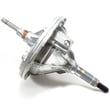
- Washer gear case 38165P (drive system component)
Last updated: February 2026
How do I find the model number on my SWNBC2PP112TW02?
For your Alliance washer, the model number is printed on the appliance’s model and serial tag. On SWNBC2PP112TW02 units, this tag is typically found under the lid area or on the cabinet opening where the lid closes.
Where to look first
Check these common locations on top-load commercial-style washers:
- Under the washer lid, along the top rim of the tub opening
- On the underside of the lid itself
- Around the lid opening on the cabinet frame
- On the back of the washer cabinet
- Inside the service door area (if your unit has one)
If your washer has a front service access panel, the tag can also be near the frame behind that panel. If the service door is missing or damaged, replacing it can help keep the tag area protected; see service door assembly - dark gray 39874DG.
What the tag looks like and what to copy
The tag usually includes multiple identifiers. We recommend writing down:
- Model number (example: SWNBC2PP112TW02)
- Serial number (unique to your washer)
- Electrical rating (volts/amps), helpful for motor or control parts
Quick ID guide
| Item on tag | Why it matters when ordering parts |
|---|---|
| Model number | Ensures diagrams and parts match your exact washer |
| Serial number | Helps confirm production version when parts changed |
| Electrical rating | Prevents ordering the wrong motor/control type |
Why it matters
Alliance and Speed Queen style washers often have similar-looking cabinets across multiple model families. Using the exact model number prevents ordering the wrong control assembly, lid lock, belt, or pump components.
Last updated: March 2026
What is the average lifespan of SWNBC2PP112TW02?
The average lifespan of an Alliance SWNBC2PP112TW02 washer is about 14 years with normal use and routine maintenance. Commercial-style top-load washers often reach this range when the drive system, pump, and seals are kept in good condition.
What affects lifespan the most
These factors have the biggest impact on how long your washer lasts:
- Load size and frequency (overloading shortens life)
- Proper leveling to reduce vibration and tub wear
- Water quality (hard water accelerates gasket and seal wear)
- Drain performance (slow draining strains the pump and belt)
- Preventing leaks that can damage bearings and the gear case
Parts that commonly determine “end of life”
When these wear items fail repeatedly, repairs can become more frequent:
- Belt and pump components (see belt and pump kit RB150003)
- Tub and door gaskets (see washer tub gasket 36425 and gasket 39122)
- Drive system components (drive block, gear case)
Typical wear timing (planning guide)
| Component area | Common timing | What you notice |
|---|---|---|
| Belts/pump | 5 to 10 years | No drain, burning smell, weak spin |
| Gaskets/seals | 7 to 12 years | Leaks, mildew odor, water under washer |
| Gear case/drive | 10 to 15 years | Loud grinding, poor agitation/spin |
Why it matters
Knowing the expected lifespan helps you decide whether to repair or refresh key wear parts before a failure causes leaks, downtime, or secondary damage to the tub and drive system.
Last updated: March 2026