Owner’s manual
 Error Codes





Is it cheaper to repair or replace a water heater?
For an American N30S61-303 gas water heater, it’s usually cheaper to repair when the problem is limited to a serviceable component (like a gas control, pilot, or relief valve) and the tank is sound; replacement makes more sense when the tank is leaking, badly corroded, or has been submerged in water (per the N30S61-303 owner's manual).
- Repair if the heater is heating normally but has a specific failure such as a pilot that will not stay lit, a leaking drain valve, or a dripping T and P relief valve.
- Replace if you see tank leakage, heavy rusting around the tank seams, or recurring shutdowns tied to overheating safety trips.
- Replace immediately if any gas controls, the main burner, or the pilot were submerged in water.
- Repair when the fix is a single part and labor is reasonable.
- Replace when multiple major gas components are failing close together.
| Situation | Usually cheaper | Why |
|---|---|---|
| Pilot will not stay lit | Repair | Often isolated to the pilot/thermopile system or burner service |
| Relief valve drips occasionally | Repair | Commonly tied to water pressure, thermal expansion, or a worn valve |
| Gas control/temperature knob issues or ECO overheat trip | Repair (qualified service) | The gas control valve/thermostat is a replaceable assembly |
| Tank is leaking | Replace | Tank failure is not a practical repair |
| Flooding/submersion event | Replace | Safety-critical components require full replacement |
If your tank is in good shape, these model-compatible parts are often the difference between a repair and a full replacement:
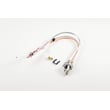
- Water heater pilot assembly 100112330 (pilot ignition and flame sensing)
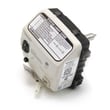
- American water heater water heater gas valve and temperature control assembly 100112336 (gas control and temperature regulation)
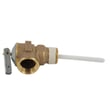
- Water heater temperature and pressure relief valve 100108279 (safety pressure/temperature relief)
- Drain valve 100108269 (tank draining and flushing)
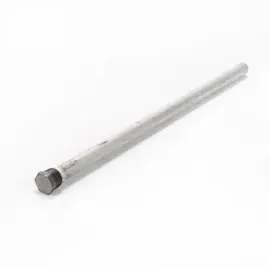
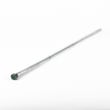
- Anode rod 100108571 (corrosion protection that helps extend tank life)
A repair can restore safe, reliable hot water quickly, but a failing tank or a water-damaged gas system can turn into repeated breakdowns and safety risks. Using the correct parts and following the lighting and safety guidance in the manual helps prevent nuisance shutdowns and unsafe operation.
We recommend matching parts by model number N30S61-303 and using the parts list for this model; for broader model searches, use Sears PartsDirect.
Last updated: February 2026
What is the average cost to replace a 30 gallon water heater?
Replacing a 30-gallon water heater typically costs about $800 to $3,000 for the new tank plus professional installation. For an American N30S61-303 gas water heater, the final price mainly depends on venting changes, gas-line or water-line updates, permit requirements, and whether any code-related upgrades are needed.
- Fuel type and venting: gas units can cost more if venting needs to be resized or rerouted
- Labor rates in your area: plumbing rates vary widely by region
- Scope of piping work: new shutoff valves, unions, or corroded fittings add time and parts
- Closed system upgrades: an expansion tank may be needed in some setups
- Safety-related replacement work: if the heater has been under water, replacement is required (not repair)
| Cost item | Typical range | Notes |
|---|---|---|
| 30-gallon tank (standard efficiency) | $400 to $1,200 | Brand, warranty length, and efficiency affect price |
| Installation labor | $400 to $1,500 | Includes removal and basic hookup |
| Materials and incidentals | $50 to $400 | Connectors, valves, vent parts, pipe fittings |
| Code or venting modifications | $0 to $1,000+ | Depends on what must be updated |
If you are replacing due to performance issues (not a leaking tank), these checks often identify a fixable cause:
- Confirm the temperature setting is appropriate
- Flush sediment if recovery is slow (sediment can reduce heating efficiency)
- Check for leaking hot-water faucets or wasted hot water
- Verify the dip tube is installed correctly (it must be in the cold inlet)
- If the pilot will not stay lit, inspect ignition and burner components
If you need common replacement parts for this model, we list them by exact fit, such as the water heater pilot assembly 100112330 and the water heater gas valve and temperature control assembly 100112336.
A correct, code-compliant replacement helps prevent nuisance shutdowns, poor hot-water recovery, and safety hazards. Our owner's manual for model N30S61-303 also covers installation checklist items like piping connections, shutoff valves, and required safety components.
If you are pricing parts or planning a repair versus replacement, you can order model-specific parts from the parts list for N30S61-303, or search by model on Sears PartsDirect.
Last updated: February 2026
What is the lifespan of a 30 gallon water heater?
A standard 30-gallon tank water heater typically lasts 8 to 12 years. For your American N30S61-303 gas water heater, regular maintenance (especially anode rod inspections and flushing sediment) is what most directly determines whether you land closer to 8 years or push beyond 12.
Most tank-style gas water heaters fall into a predictable range, but a few conditions can shorten or extend service life.
- Water quality: hard or aggressive water speeds up corrosion and sediment buildup
- Temperature setting: higher temps increase wear and can accelerate anode depletion
- Maintenance frequency: periodic tank flushing reduces sediment-related overheating
- Anode rod condition: a depleted anode lets the tank start corroding
- Usage patterns: heavy daily demand increases burner cycling and stress
Your manual calls out anode rod inspection intervals that directly tie to tank longevity.
- Inspect the anode rod every 3 years under typical conditions
- Inspect the anode rod annually if you have artificially softened water
- Replace the anode rod when the rod diameter is mostly under 3/8 inch or the core wire is widely exposed
If you need the replacement part, match it to the model-specific listing for the anode rod 100108571. For step-by-step reference and safety notes, use the N30S61-303 owner's manual.
| Condition | Typical outcome | What we recommend |
|---|---|---|
| Regular flushing + anode checks | Longer life | Keep anode inspections on schedule |
| Softened water (not monitored) | Shorter life | Inspect anode yearly |
| Heavy sediment (no flushing) | Shorter life | Flush tank periodically |
A tank water heater usually fails from internal tank corrosion after the anode rod is used up. Staying ahead of anode depletion is the most effective way to prevent leaks and get the full expected lifespan from a 30-gallon unit.
If you are planning ahead for maintenance parts, we list model-matched options on the parts list for N30S61-303, and you can also search by model number on Sears PartsDirect.
Last updated: February 2026
What is the most common problem with gas water heaters?
The most common problem on gas water heaters like the American N30S61-303 is the pilot light not lighting or not staying lit. This is usually tied to the pilot system (pilot assembly, thermopile/thermocouple function, or a clogged pilot orifice) or to combustion air issues that make the flame weak and unstable.
- Confirm the gas shutoff valve is fully open and other gas appliances are working.
- Look for a “lazy” pilot flame; insufficient combustion air can cause unstable burning and safety shutdowns.
- If the area is dusty or linty, clean the flame arrestor (flame-trap) at the bottom as described in the N30S61-303 owner's manual.
- Check the venting path for blockage and make sure the heater has adequate make-up air (especially in closets or small rooms).
- If the pilot won’t stay lit after relighting, the pilot system is the first place we focus.
| Symptom | Most common cause | Typical next step |
|---|---|---|
| Pilot won’t light | Clogged pilot line/orifice, air supply issue | Clean/inspect pilot path; verify combustion air |
| Pilot lights but won’t stay lit | Weak thermopile/thermocouple signal, failing pilot assembly | Replace the pilot assembly |
| Burner shuts down after running | Overheat safety (ECO) triggered by airflow/overheat | Correct airflow/venting; replace gas control if ECO tripped |
| Popping/sizzling noises | Condensation or sediment buildup | Drain and flush the tank |
If troubleshooting points to the pilot system, these model-matched parts are the usual repair path:
- Water heater pilot assembly 100112330 (pilot flame and safety sensing circuit)
- American water heater water heater gas valve and temperature control assembly 100112336 (gas control/thermostat; replaced when safety control fails)
- American water heaters water heater burner assembly 100093993 (burner issues, poor combustion, or damage)
A pilot that will not stay lit is more than an inconvenience; it prevents reliable hot water and often indicates a combustion air, venting, or safety-control condition that can repeatedly shut the heater down. Fixing the root cause also helps prevent overheating trips and high operating costs.
You can order replacement parts for your American N30S61-303 from the parts list for this model, or search by model number on Sears PartsDirect.
Last updated: February 2026