Owner’s manual
 View engine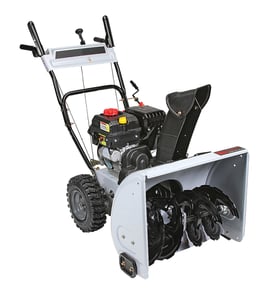

How do I tell what year my snowblower is?
For a Craftsman snow thrower model 536885200, the most reliable way to estimate the year is to use the engine manufacture date code (on the engine shroud, valve cover, or blower housing). That code gives the engine’s build date, which is typically very close to the snowblower’s build year; confirm locations and labeling in the 536885200 owner's manual.
Look in these common spots first (engine off and cool):
- Engine ID label on the blower housing or recoil starter shroud
- Valve cover area (stamped or on a small label)
- Muffler heat shield area (label nearby)
- Frame tag on the snowblower chassis (may show model and serial)
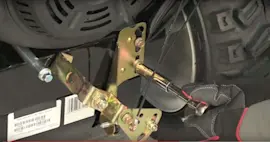
- Under the handle panel near control linkages (occasionally)
Many small engines use a numeric date code where:
- The first 2 digits indicate the year
- The next 2 digits indicate the month
- The next 2 digits indicate the day
Example: 990115xx typically reads as 1999-01-15 (year-month-day), with the remaining digits used for production details.
| What you have | What it tells you | Best use |
|---|---|---|
| Engine date code | Exact engine build date | Best way to estimate snowblower year |
| Snowblower serial number | Production run info | Helps confirm if engine was replaced |
| Purchase receipt | Date you bought it | Confirms ownership timeline |
Knowing the approximate year helps us match the correct Craftsman parts and diagrams for wear items like belts, cables, and chute components. If your machine has had an engine swap, the engine date may be newer than the snowblower.
If your chute style or controls look different than expected, compare your machine to the parts list and diagrams, and check common wear parts like the chute 762222MA and the snowblower drive cable 762259MA to ensure you are ordering by the correct configuration.
Last updated: January 2026
What is the life expectancy of a snowblower?
Most gas snowblowers like the Craftsman 536885200 typically last 10 to 20 years with normal residential use and consistent maintenance; a well-cared-for machine can run 20+ years. Electric units usually run 5 to 10 years because they have lighter drivetrains and different wear points.
- Maintenance frequency: oil changes, spark plug checks, lubrication
- Storage habits: dry storage, fuel stabilized, corrosion prevention
- Snow conditions: heavy wet snow and gravel driveways increase wear
- Operator habits: avoiding ice chunks, newspapers, and hidden objects
- Wear parts condition: belts, scraper bar, cables, chute components
| Snowblower type | Typical life expectancy | What usually ends it first |
|---|---|---|
| Gas, mid to heavy duty | 10 to 20 years | Carburetor/fuel issues, friction disc, belts, rust |
| Gas, premium and well maintained | 20+ years | Normal wear parts and corrosion |
| Electric (corded or battery) | 5 to 10 years | Motor/electronics, battery aging, gearbox wear |
Use the schedule and specs in the 536885200 owner's manual. For most Craftsman gas snow throwers, these habits make the biggest difference:
- Change engine oil on schedule and check level before use
- Keep fresh fuel; use fuel stabilizer for storage
- Inspect and replace worn belts (common drive/auger wear item)
- Keep the housing adjusted so it does not grind; replace a worn scraper 55323MA when it thins
- Lubricate moving points (chute rotation, axles, hex shaft if equipped)
A snowblower’s “life expectancy” is mostly about preventing fuel-system problems and slowing drivetrain wear. Regular tune-ups and replacing inexpensive wear parts on time usually costs far less than replacing major assemblies.
Last updated: January 2026
What is the most common problem with snow blowers?
The most common problem we see on gas snow blowers like the Craftsman 536885200 is a no-start or hard-start condition caused by old fuel and a gummed-up carburetor, followed closely by chute clogs and drive or auger issues from wear or impact. For model-specific operating and maintenance steps, use the 536885200 owner's manual.
- Won’t start / starts then dies: stale gas, clogged carburetor jets, fouled spark plug, incorrect choke or primer use
- Runs but won’t throw snow well: packed snow/ice in the chute, wet heavy snow, worn scraper or incorrect skid shoe height
- Auger won’t turn: broken shear pins (after hitting ice chunks, gravel, or a hidden object)
- Drive won’t pull the machine: worn or loose drive belt, stretched drive cable, traction issues
- Chute won’t rotate or won’t hold position: worn chute gear components or loose hardware
- Turn the engine off and let all moving parts stop; remove the key (if equipped).
- Confirm fresh fuel and proper choke/primer technique.
- Clear chute packing safely using a clean-out tool or broom handle (never your hand).
- Inspect belts and cables for slack, fraying, or glazing.
- Check wear items at the front of the housing; a worn scraper reduces performance.
| Symptom | Most likely cause | Typical fix |
|---|---|---|
| No start / hard start | Old fuel, dirty carburetor, bad spark plug | Drain/replace fuel, clean carburetor, service ignition |
| Poor throwing distance | Clogged chute, low engine speed, worn scraper | Clear chute, tune-up, adjust/replace wear parts |
| Won’t move forward | Belt/cable out of adjustment | Adjust linkage, replace worn belt/cable |
| Chute won’t rotate | Worn chute gear | Inspect and replace chute drive parts |
If you’re troubleshooting performance or control problems on the Craftsman 536885200, these are frequent wear or damage points:
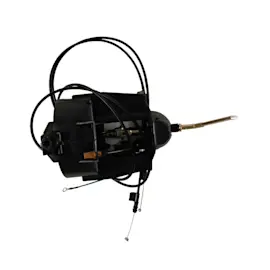
- Snowblower drive cable 762259MA (drive engagement and traction)
- Belt 37X107MA (power transfer for drive/auger systems)
- Scraper 55323MA (cleans down to the surface for better intake)
- Worm 585196MA (chute rotation gear)
Most “snowblower problems” are maintenance-related; fixing fuel quality, lubrication, and adjustments early prevents belt slip, poor throwing distance, and premature wear on the auger and chute components.
Last updated: January 2026
Is it cheaper to repair or replace a snowblower?
For a Craftsman snow thrower like model 536885200, it’s usually cheaper to repair when the problem is a normal wear item (belt, cable, scraper, chute parts). Replacement makes more sense when the repair total is about 50% or more of the cost of a comparable new snowblower, especially if the machine has repeated major failures.
- Repair if the issue is maintenance or a single failed part (belt, drive cable, scraper blade, chute components).
- Repair if the engine starts and runs well and the auger and drive systems are basically sound.
- Replace if the engine has low compression, heavy smoking, or won’t run even after a full tune-up.
- Replace if the auger housing or frame is badly rusted, cracked, or bent.
- Replace if you need multiple major repairs at once (engine + drive + auger system).
| Scenario | What it usually involves | Best choice |
|---|---|---|
| Minor wear item | Belt, cable adjustment, scraper replacement | Repair |
| Chute won’t rotate or aim | Chute parts, worm gear, linkage adjustment | Repair |
| Drive won’t move | Drive cable, belt, friction drive service | Repair first |
| Major engine problem | Carburetor replacement plus internal engine issues | Replace |
If your 536885200 is otherwise in good shape, these common parts can restore performance without replacing the whole unit:
- Belt 37X107MA (drive or auger belt related symptoms)
- Snowblower drive cable 762259MA (drive engagement issues)
- Scraper 55323MA (poor scraping, leaving snow behind)
- Worm 585196MA (chute rotation problems)
- Chute 762222MA (cracked or damaged discharge chute)
Snowblowers often fail from predictable wear points (belts, cables, scraper blade) that cost far less than a new machine. Using the 50% rule keeps you from sinking money into a snowblower that is likely to keep needing major repairs.
- Review maintenance intervals and adjustments in the 536885200 owner’s manual.
- Price out the parts you need and add labor if you are not doing the repair yourself.
- If the drive or auger performance is the issue, compare the cost of a belt/cable repair first before assuming the transmission is bad.
Last updated: January 2026