Owner’s manual



Is it worth replacing a heating element in a Samsung dryer?
Yes, it’s usually worth replacing the heating element in a Samsung DVE45B6300W when the dryer is otherwise in good shape, because the repair cost is typically far less than replacing a 7.5 cu. ft. dryer. We recommend confirming the no-heat cause first, since airflow restrictions and safety thermostats can mimic a failed element; see the DVE45B6300W owner’s manual.
When replacing the heating element makes sense
Replacing the heater is a good value when the dryer tumbles normally and you have no major noise or control issues.
- Dryer runs and tumbles but clothes stay cold or barely warm
- No burning smell, no repeated shutdowns, and the drum turns smoothly
- Venting is clear and the lint filter is maintained
- You plan to keep the dryer several more years
- You can test components with a multimeter (or have a technician do it)
What to check before you buy a heating element
A Samsung electric dryer can stop heating if a safety device opens due to overheating, often caused by poor airflow. Start with airflow and then test the heat circuit.
- Clean the lint screen and check the lint chute area
- Inspect the exhaust duct for crushing, kinks, or heavy lint buildup
- Verify the home power supply is correct for an electric dryer (a partial power loss can let the motor run but prevent heating)
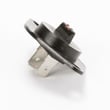
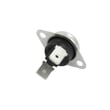
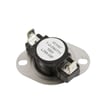
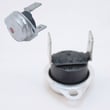
- Test heat safety parts such as the thermal cut-off and high-limit thermostat
Common “no heat” causes vs. symptoms
| What’s wrong | What you’ll notice | Typical fix |
|---|---|---|
| Restricted venting | Long dry times, cabinet feels hot | Clean/repair ducting and hood |
| Thermal cut-off opened | No heat at all | Replace the thermal cut-off and correct airflow |
| High-limit thermostat issue | Heat cuts in and out | Replace thermostat and correct airflow |
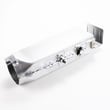
| Heating element failed | No heat, safety parts test good | Replace heating element assembly |
Parts that often get replaced with a heater
If testing shows an overheat event, we often replace the safety device that opened and fix the venting issue so the new heater is protected.
Why it matters
Your DVE45B6300W is rated at 7.5 cu. ft. capacity and uses an electric heater system; overheating from poor ducting can repeatedly trip safety parts and shorten heater life. Keeping venting within the manual’s ducting guidance helps restore normal dry times and prevents repeat failures.
Last updated: February 2026
How to tell if a Samsung dryer heating element is bad?
If your Samsung dryer model DVE45B6300W runs but won’t heat (or heats weakly), the heating element is a top suspect. We confirm a bad element by safely disconnecting power, then checking the element for visible damage and proper resistance with a multimeter, plus checking for a short to ground.
Quick signs the heating element is failing
- Dryer tumbles normally but clothes stay cold or damp
- Heat is intermittent (sometimes heats, sometimes not)
- Burning smell or visible scorching near the heater housing
- Cycle times get much longer even with a clean lint screen and good airflow
- You see a heat-related information code (use Smart Care or the display code list in the DVE45B6300W owner’s manual)
How we test the heating element (safe, reliable method)
- Unplug the dryer (or switch off the breaker). Electric dryers use high voltage.
- Access the heater terminals (follow the access steps in the DVE45B6300W owner’s manual).
- Set a multimeter to ohms (Ω) or continuity.
- Test terminal-to-terminal on the element:
- A good element shows measurable resistance (not OL/infinite).
- OL/infinite indicates an open element (bad).
- Test each terminal to the metal heater housing:
- You should read no continuity.
- Continuity to the housing indicates a short to ground (bad).
Don’t replace the element until you rule out airflow and safety cutoffs
A restricted vent can overheat the dryer and open safety devices, causing “no heat” even with a good element.
- Clean the lint screen and check the vent run for restrictions
- Inspect thermostats and thermal fuses for continuity
- If the dryer shows a temperature or thermistor code, address venting first
Common heat-related parts for this model
| Symptom | Often involved | Example part for DVE45B6300W |
|---|---|---|
| No heat, overheats, or shuts heat off | High-limit thermostat | Dryer high-limit thermostat DC47-00018A |
| No heat after overheating event | Thermal cut-off thermostat | Dryer thermal cut-off thermostat DC47-00016A |
| Temperature sensing errors or poor temp control | Thermistor | Dryer thermistor DC32-00007A |
Why it matters
A failed heating element stops drying, but vent restrictions and failed thermostats can cause repeat failures. Verifying the element and airflow first helps prevent wasted parts and protects the dryer’s heater circuit.
Last updated: February 2026
How to reset a Samsung Moisture Sensor dryer?
For the Samsung DVE45B6300W, there is no separate “moisture sensor reset” button; the practical reset is a power cycle, then correcting the common causes of false moisture readings (dirty sensor bars, airflow restrictions, or cycle settings). Use the steps and indicator icons in the DVE45B6300W owner's manual to confirm you are running a Sensor Dry cycle correctly.
Quick reset steps (power cycle)
- Press Power to turn the dryer off.
- Unplug the dryer (or switch the breaker off) for 5 minutes.
- Restore power.
- Press Power, select a Sensor Dry cycle, then press and hold Start/Pause (Hold to Start).
- If the panel seems unresponsive, check whether Child Lock is enabled and turn it off per the manual.
Clean the moisture sensor bars (most common fix)
Moisture sensor dryers can over-dry or under-dry when the sensor bars get coated with residue from dryer sheets or fabric softener.
- Locate the two metal sensor bars inside the drum (usually near the lint filter housing).
- Wipe them with rubbing alcohol on a soft cloth; then dry.
- Avoid abrasive pads that can scratch the bars.
- Run a small test load on a Sensor Dry cycle.
Airflow checks that affect Sensor Dry accuracy
Restricted venting makes drying times longer and can confuse Sensor Dry performance.
| What to check | What “good” looks like | What to do if it’s not |
|---|---|---|
| Lint screen | Clean, no film | Wash with warm water and a soft brush; dry fully |
| Exhaust airflow | Strong, steady flow outside | Clear lint buildup, crushed ducting, or long runs |
| Load size | Not packed tight | Dry similar fabrics together; avoid overloading |
When a part is likely involved
If the dryer consistently stops too soon, runs too long, or shows heat-related symptoms after cleaning and vent checks, a temperature-sensing issue can contribute.
- Consider testing/replacing the dryer thermistor DC32-00007A if diagnostics point to temperature sensing.
- If the dryer overheats or shuts down on heat, inspect safety thermostats such as the dryer high-limit thermostat DC47-00018A.
Why it matters
Sensor Dry uses internal humidity sensing to decide when to stop; clean sensor bars and proper airflow help the dryer hit the selected dryness level without wasting energy or leaving clothes damp.
Last updated: February 2026