 Installation guide
 Owner’s manual


What is the most common problem with a GE electric dryer?
The most common GE electric dryer complaint is no heat or long dry times, usually caused by restricted airflow (lint buildup or poor venting) or a failed heat-safety part. For your GE DJXR433GG8WW gas dryer, the most common equivalent issue is also no heat/poor drying from venting problems or ignition components.
Quick checks we recommend first
- Clean the lint filter before every load (a full filter is a top cause of long dry times).
- Confirm the outside exhaust hood flap moves freely and is not blocked.
- Inspect the vent run for kinks, crushing, or heavy lint buildup.
- Use only 4-inch rigid metal or 4-inch flexible metal duct; avoid plastic or other combustible duct.
- Keep the vent path as short as possible and avoid sharp bends.
Most common causes: electric vs gas (what changes)
| Symptom | Electric dryer most common causes | Gas dryer (DJXR433GG8WW) most common causes |
|---|---|---|
| Tumbles but no heat | House power issue (one breaker tripped), heater circuit parts | Gas shutoff closed, ignition system issue, airflow restriction |
| Takes too long to dry | Clogged lint filter or venting, overloaded loads | Same; venting and lint are the biggest drivers |
When it is a parts issue on DJXR433GG8WW
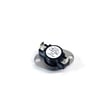
If venting is correct and the dryer still will not heat, common gas-dryer suspects include the igniter and flame-sensing components. For this model, a frequent replacement part is the igniter WE04X25996.
What to do (safe, practical steps)
- Verify the gas shutoff valves are fully open.
- Run a timed dry cycle and check for heat at the exhaust after a few minutes.
- If the dryer tumbles but never heats and venting is clear, test ignition components and thermostats per the DJXR433GG8WW owner's manual.
Why it matters
Poor airflow makes any dryer run longer, waste energy, and overheat. Fixing venting and lint issues often restores normal drying without replacing parts.
Last updated: February 2026
What's the life expectancy of a GE dryer?
A GE dryer like model DJXR433GG8WW typically lasts 13 years with normal household use. Consistent venting, routine lint removal, and fixing wear items (belt, glides, seals) when symptoms start are the biggest factors in reaching that lifespan.
Typical lifespan and what changes it
Most dryers fail early from airflow restrictions, overheating, or drum support wear. For a gas dryer, correct venting and safe operation matter even more.
- Clean the lint filter before every load.
- Keep the exhaust duct short, rigid metal, and not crushed.
- Avoid overloading; it strains the drive motor and belt.
- Address squealing, thumping, or scraping quickly (often glides, felt, or belt).
- Use the right heat setting for the fabric to reduce overheating.
Quick checklist for DJXR433GG8WW owners
Use these steps to extend life and reduce breakdowns; we follow the same priorities in the DJXR433GG8WW owner’s manual.
- Verify the dryer is vented outdoors with 4-inch metal ducting.
- Check the outside exhaust hood flaps open freely and are not blocked.
- Vacuum lint buildup around the lint screen housing periodically.
- If dry times increase, inspect the full vent run for lint restriction.
- If the drum stops turning but the motor runs, inspect the belt and drum supports.
Common wear parts that affect longevity
| Symptom | Likely wear area | Example model-matched part |
|---|---|---|
| Drum not turning | Belt worn or broken | Dryer drum belt WE03X29897 |
| Squealing or scraping | Front glides or felt seal | Dryer drum glide bearing (green) WE03X37317, felt WE09X27634 |
| Long dry times | Venting/airflow issue | Follow the DJXR433GG8WW installation guide venting specs |
Why it matters
A dryer that is properly vented and maintained runs cooler and with less strain on the drive system. That reduces heat-related shutdowns, short cycling, and premature wear on the motor, belt, and drum support surfaces.
Last updated: February 2026
Where to find part number on GE dryer?
On your GE DJXR433GG8WW gas dryer, the model and serial information is on a label on the front of the dryer behind the door (door opening area). Once you have that label info, you can match the correct replacement parts for your exact dryer.
Where to look on the dryer
Check these common spots in this order:
- Open the dryer door and look on the front panel behind the door
- Check the door frame (the cabinet opening the door closes against)
- Look along the inside edge of the front panel near the lint screen housing
- If the label is worn, use a flashlight and view from an angle to read faint print
What number you actually need (model vs. part)
The label on the dryer is for identification; individual parts have their own numbers.
| What you’re looking for | Where it’s found | What it’s used for |
|---|---|---|
| Model number (DJXR433GG8WW) | ID label behind the door | Ensures parts diagrams match your dryer |
| Serial number | Same ID label | Helps date/verify production details |
| Part number | On the part itself or parts list | Orders the exact replacement part |
Why it matters
GE often uses similar-looking components across multiple dryers; using the model number from the door-area label helps us select the correct items like a belt, igniter, thermostat, or timer for DJXR433GG8WW.
Helpful next steps
- Use the model number from the label when searching parts
- If you’re replacing a common wear item, compare the old part to the listing photo and description
- For location diagrams and identification details, use the DJXR433GG8WW owner’s manual
Last updated: February 2026





