Error Codes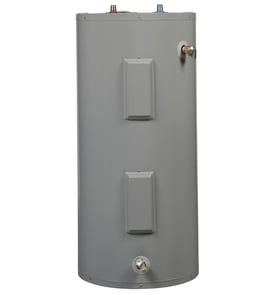

Can you replace parts on a hot water heater?
Yes. On an Insinkerator W152-2 electric water heater, many common components are replaceable (such as the heating element, thermostat, drain valve, and T&P relief valve), and replacing the failed part often restores hot water and can extend the tank’s service life.
What you can usually replace (and what it fixes)
Most electric water heater repairs involve a few service parts that address specific symptoms:
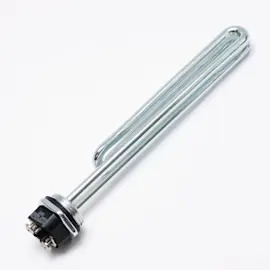
- Heating element: no hot water, slow recovery, or lukewarm water
- Thermostat: water too hot, not hot enough, or temperature swings
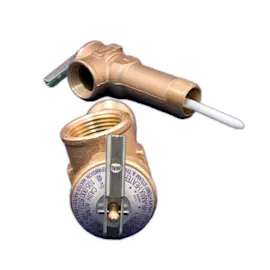
- T&P relief valve: dripping or discharge from the relief line (often tied to pressure or overheating)
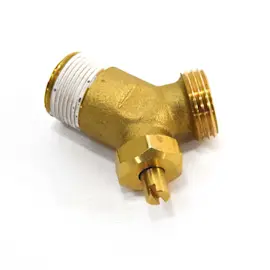
- Drain valve: leaking at the valve, trouble draining or flushing sediment
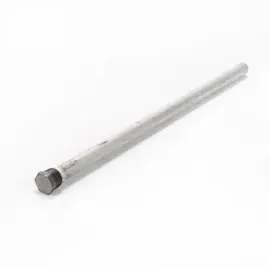
- Anode rod (on many tank-style units): rotten-egg odor, accelerated tank corrosion
For step-by-step guidance on a common service item, use our guide: how to replace an electric water heater heating element.
Safety and prep checklist (electric water heater)
Before you open panels or disconnect wires, we use this basic checklist:
- Turn power off at the breaker and confirm power is off with a non-contact tester
- Shut off the cold water supply if you are opening the tank or removing a valve
- If replacing an element, drain below the element level to prevent flooding
- Take a photo of wiring before disconnecting anything
- Match replacement parts by voltage, wattage, and mounting style (screw-in vs. flange)
Quick “repair vs. replace” guide
| What you’re seeing | Most likely fix | Typical effort |
|---|---|---|
| No hot water | Thermostat or heating element | Medium |
| Water too hot | Thermostat stuck or mis-set | Medium |
| Valve leaking | Drain valve or T&P relief valve | Medium |
| Rusty water | Anode rod (if equipped) | Medium |
Why it matters
Replacing the correct part prevents repeat failures, reduces energy waste from overheating or long recovery times, and helps avoid water damage from leaking valves.
Last updated: February 2026
What is usually the most common water heater problem?
The most common problem we see with water heaters like the Insinkerator W152-2 is sediment or mineral buildup in the tank, which reduces heating efficiency and can cause rumbling or popping noises. A close second is “no hot water,” often tied to a failed heating element or thermostat.
Most common problems (and what you’ll notice)
- Sediment buildup: popping/rumbling sounds, slower recovery, higher energy use
- No hot water: water stays cold or only lukewarm
- Fluctuating temperatures: hot then cold during use
- Small leaks at fittings/valves: moisture around connections, dripping
- Relief valve discharge: intermittent dripping from the T&P relief valve line
Quick checks you can do first (before replacing parts)
- Confirm power is on at the breaker (electric water heater).
- Check for obvious leaks at the cold inlet, hot outlet, and drain valve.
- Listen for sediment noise (popping/rumbling) during a heating cycle.
- Verify temperature setting (many homes target about 120°F for comfort and safety).
Common causes and typical fixes
| Symptom | Most likely cause | Typical fix |
|---|---|---|
| Popping/rumbling | Sediment in tank | Drain and flush tank; inspect drain valve |
| No hot water | Failed heating element or thermostat | Test and replace the failed component |
| Temperature swings | Thermostat issue or element problem | Check thermostat calibration; replace if faulty |
| Dripping from relief line | High pressure/overheating or worn valve | Check settings; replace T&P relief valve |
Why it matters
Sediment acts like insulation between the heating element and the water, so the heater runs longer, costs more to operate, and can shorten the life of key components. Addressing noise, leaks, and temperature issues early helps prevent bigger failures.
Helpful DIY guidance
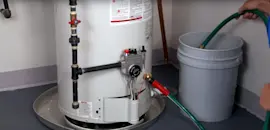
- How to drain the tank on an electric water heater video
- How to replace an electric water heater heating element
- How to replace an electric water heater thermostat
Last updated: February 2026
What are the parts of an electric water heater?
An electric water heater like the Insinkerator W152-2 is built around a storage tank (or small reservoir), electric heating components, and safety and plumbing fittings that bring cold water in and send hot water out. Most service issues trace back to the thermostat, heating element, or valves.
Main parts you will see on most electric water heaters
- Tank: holds and insulates the heated water
- Heating element(s): electric resistance element(s) that heat the water
- Thermostat(s): senses water temperature and cycles the element(s) on and off
- High-limit reset (ECO): safety cutoff that trips if water overheats
- Anode rod: sacrificial rod that helps reduce tank corrosion
- Dip tube: directs incoming cold water to the bottom of the tank
- Drain valve: used to drain the tank for flushing or service
- Temperature and pressure (T&P) relief valve: safety valve that opens if temperature or pressure gets too high
- Cold water inlet and hot water outlet fittings: plumbing connections at the top (typical)
Quick “what it does” table
| Part | What it does | Common symptom when it fails |
|---|---|---|
| Heating element | Heats water | No hot water or slow recovery |
| Thermostat | Controls temperature | Water too hot, too cool, or fluctuating |
| Anode rod | Protects tank | Rusty water, shortened tank life |
| Drain valve | Drains tank | Leaks at valve, won’t drain |
| T&P relief valve | Prevents dangerous pressure/heat | Dripping, discharge, or leaking |
Why it matters
Knowing the major components helps you troubleshoot faster and order the right replacement part. For example, “no hot water” usually points to power, thermostat, or heating element, while “leaking” often points to a valve or fitting.
Helpful DIY guides for common parts
- What are the most common water heater parts that need replacing
- How to replace an electric water heater heating element
- How to replace an electric water heater thermostat
- How to replace an electric water heater anode rod
- How to replace a water heater temperature and pressure t and p relief valve
- How to replace a water heater drain valve
Last updated: February 2026
What is special about the number W152-2?
On the Insinkerator W152-2 electric water heater, W152-2 is special because it is the model number, not a “meaningful” number code. We use it to match the correct diagrams, specifications, and replacement parts for your exact water heater.
What W152-2 tells us (and what it does not)
Model numbers are identifiers used for parts lookup and service reference.
- It identifies the exact Insinkerator water heater version you own
- It helps avoid ordering the wrong thermostat, heating element, or valve
- It can indicate a series or revision (the “-2” often signals a variant)
- It does not describe tank size, wattage, or voltage by itself
- It is not related to math properties of the number 152
Where to find and confirm the model number
Use the rating label on the water heater to confirm you have W152-2.
- Look for a data plate or sticker on the tank jacket or near the access panel
- Match the model number exactly, including the dash and suffix
- Record the serial number too (helpful for age and revision questions)
Quick check table
| Item | What to match | Example |
|---|---|---|
| Model number | Exact characters | W152-2 |
| Suffix | Dash and digits/letters | -2 |
| Serial number | Exact string | (varies) |
Why it matters for repairs and parts
Even small model differences can change electrical components (thermostat style, element mounting, wiring) and plumbing parts (drain valve, T&P relief valve). Using the exact model number reduces returns and helps the repair go smoothly.
Helpful DIY references for common water heater repairs
If you are troubleshooting or planning maintenance, these guides cover the most common service items:
- What are the most common water heater parts that need replacing
- How to replace an electric water heater heating element
- How to replace an electric water heater thermostat
- How to replace a water heater temperature and pressure t and p relief valve
Last updated: February 2026