Owner’s manual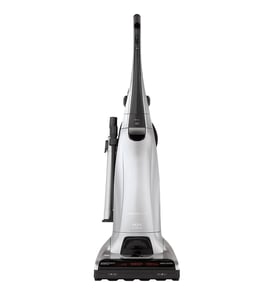


Is the Hoover UH70930 any good?
Yes. The Hoover UH70930 is a solid upright vacuum for everyday home cleaning, especially on carpet, as long as you keep up with basic maintenance (filters, brush roll area, and airflow). For model-specific use and care details, follow the UH70930 owner's manual.
Most owners judge an upright vacuum like the UH70930 on three things: pickup on carpet, ease of pushing, and how often it needs attention to keep suction strong.
Common strengths for uprights in this class:
- Strong carpet agitation when the brush roll is clean and spinning freely
- Good pet-hair pickup when airflow is not restricted
- Bagless convenience (but it needs regular filter cleaning)
Common tradeoffs:
- Can feel harder to push on thick, high-pile carpet
- Nozzle clogs or dirty filters quickly reduce suction
- Brush roll and belt wear are normal maintenance items
Do these first before deciding it is “not good”:
- Empty the dirt cup before it gets packed full.
- Clean or replace filters on schedule (a dirty filter is the #1 cause of weak suction).
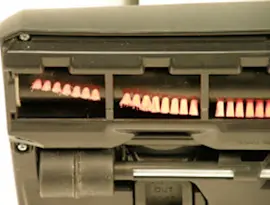
- Clear hair and string from the brush roll and end caps.
- Check the hose and nozzle for clogs.
- If the brush roll stops, inspect the belt and brush roll for binding.
If the brush roll is not spinning, use our step-by-step guide: vacuum brush roll on spinning.
| What you notice | Most common cause | What to do first |
|---|---|---|
| Hard to push on carpet | Brush roll area restricted, height setting too low | Clear nozzle, adjust height if equipped |
| Weak suction | Clog or dirty filter | Check hose/nozzle, clean filters |
| Brush roll not turning | Belt worn or brush roll jammed | Remove debris, inspect belt |
| Vacuum shuts off | Overheat from restriction | Clear clogs, clean filters, let it cool |
A vacuum can seem “bad” when it is really losing airflow from a clog or filter restriction. Keeping the brush roll spinning and the air path clear is what preserves cleaning performance and protects the motor.
Last updated: February 2026
What are common Hoover vacuum problems?
Common problems on the Hoover UH70930 upright vacuum are low suction, the brush roll not spinning, the vacuum shutting off from overheating (thermal protector), dust leaking, and unusual noise or burning smell. Most issues trace back to a full dirt cup, dirty filters, a clog, or a worn belt.
- Low suction or won’t pick up: dirt cup full, clogged airflow path, dirty rinsable filter or HEPA media filter
- Brush roll won’t spin: belt worn or broken, brush roll jammed with hair/debris
- Vacuum shuts off during use: thermal protector activated from restricted airflow (clog or dirty filters)
- System Check Indicator turns red: performance issue, commonly a full or clogged dirt cup
- Hard to push: carpet height setting too low for the surface
- Unplug the vacuum before any cleaning or service.
- Empty the dirt cup and clear any packed debris.
- Clean the rinsable filter and the filter made with HEPA media (per the maintenance steps in the owner's manual).
- Check for clogs in the hose, nozzle, and air path.
- Inspect the brush roll for string and hair; cut it away carefully.
- If the brush roll still will not spin, plan on replacing the belt.
| Symptom | Most likely cause | Best next step |
|---|---|---|
| Low suction | Dirty filters or clog | Clean filters; clear blockage |
| Brush roll not spinning | Worn/broken belt | Replace belt; clear brush roll |
| Shuts off | Overheating from restricted airflow | Let it cool; clean filters; remove clogs |
| Red system check light | Dirt cup full/clogged | Empty dirt cup; clear restriction |
Airflow is everything in an upright vacuum. When filters clog or the dirt cup overfills, suction drops and the motor runs hotter; that can trigger the thermal protector and stop the vacuum mid-cleaning. Keeping filters clean and the brush roll clear prevents repeat failures.
- Use our troubleshooting flow for suction and airflow issues: vacuum not suctioning well
- If the brush roll stops, follow: vacuum brush roll on spinning
- For step-by-step brush roll service: how to replace a vacuum beater bar
Last updated: February 2026
What is the life expectancy of a Hoover vacuum?
A Hoover upright vacuum like model UH70930 typically lasts 8 years with normal household use. With consistent maintenance (filters kept clean, clogs cleared, belt and brush roll kept in good shape), it can run longer; heavy pet use and poor airflow maintenance shorten life.
Most upright vacuums fall into a predictable range based on use and upkeep:
- Typical upright lifespan: 8 years
- Light use (small areas, low debris): often longer
- Heavy use (pets, thick carpet, daily cleaning): often shorter
- Maintenance quality: the biggest factor you control
- Wear items: brush roll and belt wear out faster than the motor housing
| Usage pattern | What you’ll notice first | What usually fixes it |
|---|---|---|
| Light, weekly cleaning | Gradual suction drop | Filter cleaning, clog removal |
| Moderate, multi-room | Brush performance drops | Belt or brush roll service |
| Heavy (pets, daily) | Overheating, frequent clogs | Deep cleaning, airflow checks, worn parts replacement |
If your UH70930 is approaching the 8-year mark, these are the most common “replace vs. repair” signals:
- Suction stays weak even after cleaning filters and clearing clogs
- Brush roll performance is poor (carpet not grooming, debris left behind)
- Burning smell or repeated shutoffs during use
- Loud grinding or squealing from the power head area
- Cracks in key airflow paths (hose, ducting) that keep returning
These steps prevent the failures we see most often in uprights:
- Empty the dirt container before it gets packed tight
- Clean or replace filters on the schedule in the owner's manual
- Cut hair and string off the brush roll regularly
- Check for clogs from the floor nozzle through the hose and bin
- Replace a stretched or slipping belt before it overheats the brush system
Most “vacuum is worn out” complaints are actually airflow restriction (filters or clogs) or brush roll drive issues (belt or brush roll). Fixing those early keeps the motor from running hot and extends the vacuum’s usable life.
For step-by-step repair help, use our vacuum repair-guides landing page.
Last updated: February 2026