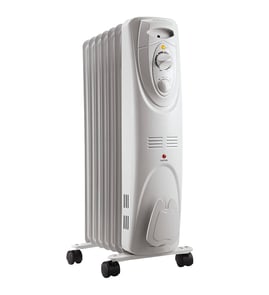

Do space heaters make your electric bill go up?
Yes. If you run an electric space heater, your electric bill goes up because the heater draws a lot of power while it’s on (often 750 to 1,500 watts on higher settings). For a Toyoset OMNI230 portable kerosene heater, the main fuel cost is kerosene; electricity use is typically limited to small components (if equipped).
What it typically costs to run (electric heaters)
Most plug-in electric space heaters are resistive heaters, so the math is straightforward: watts used per hour = energy you pay for.
- 750 W (0.75 kW): lower setting on many heaters
- 1,500 W (1.5 kW): common “high” setting
- Cost per hour = kW × your electric rate ($/kWh)
- Using a heater longer (or using multiple heaters) increases cost quickly
| Heater setting | Power use | Cost per hour at $0.15/kWh | Cost per 8 hours |
|---|---|---|---|
| Low | 0.75 kW | $0.11 | $0.90 |
| High | 1.5 kW | $0.23 | $1.80 |
How to keep the bill from jumping
These steps reduce run time and wasted heat, which is what drives cost.
- Heat only the room you’re using; keep doors closed
- Use the lowest comfortable setting and cycle it with a thermostat if available
- Seal drafts (windows, exterior doors) before turning the heater up
- Avoid running multiple electric heaters on the same circuit
- If your OMNI230 uses electricity for ignition or a fan, keep cords and connections in good condition
Why it matters
Space heaters feel “small,” but on high they can draw as much power as many major appliances. Knowing the wattage and your $/kWh rate helps you predict cost and decide whether spot-heating one room beats raising whole-home heat.
For basic DIY electrical checks (like verifying power, switches, or wiring condition), we use the same approach shown in how to use a multimeter to test electrical parts video.
Last updated: February 2026
What is the safest heater to leave on all night?
For overnight use, the safest choice is not a portable heater at all; we recommend turning portable heaters off before you sleep. If you must run one, choose a modern electric heater with tip-over shutoff, overheat protection, and a thermostat, and keep it well away from anything that can burn.
Best options for overnight heat (ranked)
- Central or built-in home heating (safest for unattended use)
- Oil-filled electric radiator (steady heat, lower surface hot spots than many fan heaters)
- Ceramic electric heater with safety shutoffs (only if it has strong safety features)
For a Toyoset OMNI230 portable kerosene heater, we do not recommend leaving it on all night. Kerosene heaters require extra ventilation and careful supervision.
What to look for in a safer overnight heater
- Tip-over switch that shuts the unit off immediately
- Overheat shutoff (thermal limit)
- Thermostat (prevents constant full-power heating)
- Certified safety listing (look for a recognized testing mark)
- Cool-touch or guarded exterior surfaces
- Stable base and a short, sturdy power cord
Setup rules that reduce fire risk
- Keep at least 3 feet of clearance from bedding, curtains, clothing, paper, and furniture
- Place the heater directly on the floor, not on a table, bed, or carpet pile
- Plug directly into a wall outlet (avoid power strips and extension cords)
- Do not run the cord under rugs or where it can be pinched
- Use the lowest comfortable thermostat setting; avoid “high” all night
Kerosene heater vs electric heater (overnight safety)
| Heater type | Overnight risk level | Key concern |
|---|---|---|
| Kerosene (like OMNI230) | Higher | Ventilation needs, fuel handling, hot surfaces |
| Electric oil-filled radiator | Lower | Still needs clearance and stable placement |
| Electric ceramic | Medium | Fan intake blockage, hot outlet air |
Why it matters
Most heater-related incidents come from clearance problems, unstable placement, and unsafe power connections. Choosing an electric heater with automatic shutoffs and setting it up correctly reduces risk significantly.
For general DIY safety guidance before working around wiring or controls, use our are diy appliance repairs safe resource.
Last updated: February 2026
Why is my space heater on but not heating?
If your Toyoset OMNI230 portable kerosene heater powers on but does not produce heat, the most common causes are fuel delivery problems (empty tank, air in the line, clogged filter/nozzle), safety shutoffs (tip-over, overheat), or a failed ignition/flame-sensing condition that stops the burner.
Quick checks that fix most “runs but no heat” problems
- Confirm the kerosene tank is filled with clean, fresh 1-K kerosene (old or contaminated fuel often causes no-heat symptoms).
- Make sure the heater is on a level surface; many portable heaters will shut off heat if they sense a tilt.
- Let the heater cool, then restart; an overheat condition can stop the burner until temperatures drop.
- Check for strong fuel odor or visible smoke; shut the heater off and ventilate the area before restarting.
- If the unit has a battery backup or power cord, verify the outlet is working and the plug is fully seated.
What to inspect next (common no-heat root causes)
Even when the fan or lights come on, the heater still needs ignition and steady fuel flow to make heat.
| Symptom | Most likely cause | What we do next |
|---|---|---|
| Starts, then shuts heat off quickly | Flame not established or flame sensor issue | Clean burner area; check for soot buildup; restart after cool-down |
| Runs but never ignites | Igniter issue or no fuel flow | Check fuel quality; inspect for clogs; verify ignition components |
| Heat is weak or smells “off” | Dirty burner/nozzle or poor fuel | Drain/refill with fresh 1-K; clean combustion area |
| Powers on but nothing else happens | Blown fuse, bad switch, wiring issue | Test electrical continuity with a meter |
Electrical checks (only if you are comfortable)
Unplug the heater and let it cool completely before opening any panels.
- Inspect the cord for cuts, melted spots, or loose prongs.
- Check any accessible fuse for continuity.
- Look for loose or burned wire terminals near the switch or control board.
- Use a multimeter to confirm power is reaching the control circuit.
A good walkthrough for safe meter use is in how to use a multimeter to test electrical parts video.
Why it matters
A kerosene heater that powers on but does not heat is often preventing ignition on purpose for safety. Fixing the underlying fuel, airflow, or sensor issue restores heat and helps prevent soot, odor, and nuisance shutdowns.
Last updated: February 2026
How big of a room will a 1500 W space heater heat?
A 1500 W electric space heater typically heats about 150 sq ft in an average, insulated room (about 10 watts per square foot). If the room is drafty or has high ceilings, plan on less; for spot or supplemental heat, it can feel comfortable in a larger area.
Quick sizing guide for 1500 W
- Tight, insulated room (8 ft ceiling): 120 to 180 sq ft
- Average insulation: about 150 sq ft
- Drafty room or tall ceilings: 80 to 130 sq ft
- Open floor plan: warms the area near the heater best
- Supplemental heat: improves comfort beyond 150 sq ft, but not evenly wall-to-wall
| Room situation | Typical result with 1500 W | What to do for better comfort |
|---|---|---|
| Bedroom/office, good insulation | Heats the whole room | Keep doors closed |
| Living room, average insulation | Warm near heater, cooler edges | Add a small fan for circulation |
| Drafty space or garage | Struggles to maintain temp | Seal leaks or use higher BTU heat |
Important note for your Toyoset OMNI230
Your Toyoset OMNI230 is a portable kerosene heater, not a 1500 W electric heater. Kerosene heaters are rated in BTU, and their room coverage is much larger than a 1500 W electric unit. Use the 1500 W guidance only when you are shopping for or comparing electric heaters; size the OMNI230 by its BTU rating and the ventilation and clearance requirements for kerosene heat.
Why it matters
Right-sizing prevents a heater from running constantly (too small) or overheating a small room (too large). It also helps you choose the safest heat source for the space and how you plan to use it.
For general safety guidance before troubleshooting or DIY work, use are diy appliance repairs safe.
Last updated: February 2026