Owner’s manual
 Error Codes


How to clean the coils on a Kenmore side by side refrigerator?
For Kenmore side-by-side refrigerator model 10658159800, we clean the condenser coils (coils behind the base grille) by unplugging the refrigerator, removing the base grille, vacuuming dust with a soft brush, then reinstalling the grille and restoring power. This improves cooling efficiency and helps prevent overheating.
Step-by-step: cleaning the condenser coils
- Unplug the refrigerator (or disconnect power at the breaker).
- Pull the refrigerator straight out if you need more access; protect the floor.
- Remove the base grille (it snaps in; press at the top and pull the bottom out).
- Vacuum the grille, the open area behind it, and the front surface of the condenser using a soft brush attachment.
- Reinstall the base grille.
- Plug the refrigerator back in.
How often should we clean the coils?
In normal home conditions, routine condenser cleaning is not needed. If your home is dusty, greasy (near cooking), or you have pets, clean the condenser every 2 to 3 months.
| Home condition | Recommended coil cleaning |
|---|---|
| Typical home, low dust | As needed (no routine schedule) |
| Pets, heavy dust, or greasy air | Every 2 to 3 months |
| Cooling seems weak or compressor runs a lot | Clean now, then reassess |
What to avoid
- Do not use abrasive brushes that can bend fins.
- Do not use flammable cleaners.
- Do not “walk” the refrigerator when moving it; pull it straight out to avoid floor damage.
Why it matters
Dust buildup acts like insulation on the condenser, making the sealed system work harder. Keeping the condenser area clear helps your Kenmore refrigerator maintain stable temperatures and can reduce run time.
For the exact base grille removal details and care notes for model 10658159800, follow the owner's manual.
Last updated: February 2026
How do I know what model Kenmore refrigerator I have?
Your Kenmore refrigerator’s model number is printed on the appliance ID label; for Kenmore model 10658159800, you’ll typically find that label inside the fresh food compartment on a side wall or near the crisper area. Use the model number to match the correct parts list and owner's manual.
Where to look for the model number label
Check these common locations first (use a flashlight and look for a white or silver sticker/plate):
- Inside the refrigerator section on the left or right side wall
- On the ceiling of the fresh food compartment
- Behind or beside the crisper drawers
- Along the front frame (door jamb area) when the door is open
- Near the base grille or lower kick plate area
What the model number looks like (and why it matters)
Kenmore model numbers are usually all numbers and often start with a 3-digit prefix. For this refrigerator, the model is 10658159800.
Quick guide
| What you have | What it’s used for | Why it matters |
|---|---|---|
| Model number (example: 10658159800) | Identifies the exact refrigerator design | Ensures parts fit and instructions match |
| Serial number | Identifies your specific unit | Helps with service history and age tracking |
If the label is hard to read
If the sticker is worn or missing characters, these steps usually solve it:
- Take a close-up photo and zoom in to read faint print
- Wipe gently with a damp cloth (do not use abrasive cleaners)
- Copy the number exactly, including all digits
- Compare the number to the model shown on your paperwork and owner's manual
Why it matters
Kenmore refrigerators can look similar across different model families, but parts like a water filter, ice maker, or control board can vary by model. Using the exact model number helps you avoid ordering the wrong replacement part.
Last updated: February 2026
What is the life expectancy of a Kenmore refrigerator freezer?
Most Kenmore refrigerator freezers, including the Kenmore 10658159800 side-by-side refrigerator, typically last 12 to 15 years with normal household use. Consistent cleaning, good airflow around the cabinet, and keeping the doors sealing tightly help you reach the high end of that range.
Typical lifespan and what affects it
A refrigerator’s lifespan depends more on operating conditions than brand name alone.
- Ventilation: Keep condenser areas clear of dust and allow space for airflow.
- Door seal condition: Warm air leaks force longer run times.
- Defrost and airflow health: Frost buildup or weak airflow shortens compressor life.
- Water and ice system upkeep: Clogged filters can reduce dispenser performance and strain components.
- Power quality: Frequent outages or surges can stress controls and the compressor.
Maintenance that helps you get the full 12 to 15 years
We recommend following the care and cleaning guidance in your owner's manual.
- Clean interior spills and odors regularly.
- Keep door bins and shelves seated correctly so doors close fully.
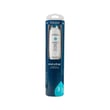
- Replace the water filter on schedule; for this model, a common replacement is the genuine Kenmore refrigerator water filter EDR3RXD1.
- Watch for early warning signs: louder fan noise, warming temps, or recurring frost.
- After a power interruption, confirm temperatures return to normal within several hours.
Quick reference: repair vs. replace decision guide
| What you’re seeing | What it usually means | Best next step |
|---|---|---|
| Unit is 0 to 7 years old | Repairs often make sense | Diagnose airflow, defrost, controls |
| Unit is 8 to 12 years old | Depends on repair cost | Compare repair cost to replacement value |
| Unit is 13 to 15+ years old | End-of-life is common | Prioritize critical repairs only |
Why it matters
A side-by-side refrigerator runs nearly nonstop; when airflow, defrost performance, or door sealing slips, the compressor and electronic controls work harder. Preventive maintenance reduces run time, stabilizes temperatures, and extends overall service life.
Last updated: February 2026
What are the most common problems with Kenmore refrigerators?
The most common problems we see on Kenmore side-by-side refrigerators like model 10658159800 are warm temperatures, ice maker or dispenser issues, water leaks, frost buildup, doors not sealing, and unusual noises. Start with the troubleshooting steps in the owner's manual to rule out settings, airflow, and water supply issues.
Most common symptoms (and the usual causes)
- Not cooling or warm temps: blocked vents, dirty condenser coils, evaporator fan not running, controls set incorrectly
- Runs too much: frequent door openings, warm room, heavy food load, poor door seal
- Ice maker not making ice: shutoff valve closed, kinked water line, ice maker switched off, jammed ejector
- Noises: buzzing during ice maker fill, sizzling during defrost, fan or compressor sounds
- Doors not closing or hard to open: bins/shelves out of position, food blocking, dirty or sticky gaskets
Quick checks we recommend first (no parts required)
- Confirm power: plugged into a grounded 3-prong outlet; outlet works
- Verify controls are on and set normally; recheck temperatures after 24 hours
- Make sure doors close fully; move packages and reseat bins/shelves
- For ice issues: confirm water supply is connected, valve fully open, line not kinked
- Clean gaskets with mild soap and warm water; dry completely
Normal vs. needs repair
| What you notice | Often normal | Often needs repair |
|---|---|---|
| Compressor runs a lot | After loading groceries or frequent openings | Warm temps after 24 hours |
| Buzzing/sizzling | Ice fill or defrost cycle | Grinding, repeated clicking, no cooling |
| Slow ice | First 24 hours (up to 72 for full output) | No ice with water on and line clear |
Parts that commonly relate to these symptoms
- Airflow/cooling: refrigerator evaporator fan motor WP2315549
- Ice production: refrigerator ice maker WPW10190961
- Water taste/flow: genuine Kenmore refrigerator water filter EDR3RXD1
Why it matters
Fixing airflow, door sealing, and water supply problems early prevents food spoilage, reduces run time, and helps avoid repeat ice maker and leak issues.
Last updated: February 2026