Owner’s manual
 View engine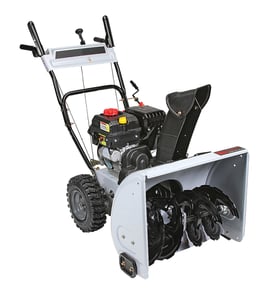




What is the most common problem with snow blowers?
The most common problem we see on the Craftsman snow thrower model 247887820 is a no-start or hard-start condition, usually tied to fuel quality and the fuel system (especially after storage). The next most common issues are clogged discharge chutes and auger or drive engagement problems caused by adjustment or wear.
Most common issues (and what to check first)
- Stale fuel or fuel deterioration after storage: drain old gas, refill with fresh fuel, and follow the storage steps in the 247887820 owner's manual.
- Spark plug problems: inspect for fouling, damage, or a loose plug wire.
- Carburetor gumming/varnish: common after fuel sits; symptoms include surging, only running on choke, or not starting.
- Auger not turning: check auger control engagement and look for jammed snow or ice in the auger housing.
- Chute clogging: wet snow and slush pack the chute; clear only with the engine off and controls released.
Quick symptom-to-cause guide
| Symptom | Most likely cause | Best first step |
|---|---|---|
| Engine will not start | Old fuel, spark plug issue, key not fully inserted | Fresh fuel, check key and plug |
| Starts then dies | Carburetor gummed, fuel flow restriction | Drain fuel, clean fuel system |
| Poor throwing distance | Chute clog, auger not fully engaging | Clear chute, check auger control |
| Snow blows under housing | Shave plate set too high | Adjust shave plate per manual |
Why it matters
Starting and performance problems usually trace back to storage and seasonal maintenance. The manual also calls out clearing snow from the machine before storage to help prevent freeze-up of the auger and impeller, and it outlines fuel-draining and oil-change steps for storage longer than 30 days.
Helpful maintenance actions that prevent repeat problems
- Run the engine until the tank is empty before long storage.
- Change engine oil at season end.
- Lubricate control cable ends and moving points once per season.
- Store in a clean, dry, well-ventilated area away from open flames.
- Periodically verify control levers engage and disengage properly.
Last updated: January 2026
Can you clean a snowblower carburetor without removing it?
Yes. On the Craftsman 247887820 snow thrower, we can do a basic carburetor cleaning without removing the carburetor by cleaning around it, clearing debris from the linkage area, and using fuel-system cleaning steps; a full fix for internal clogs still requires bowl and jet access per the 247887820 owner's manual.
What you can do without removing the carburetor
- Let the engine cool at least 30 minutes before cleaning.
- Remove the carburetor cover and/or blower housing so you can reach the carburetor area.
- Brush or wipe dirt and debris off the carburetor, linkage area, levers, guards, and engine head.
- Keep the air intake screen and cooling fins clean so the engine runs at the correct speed.
- Inspect and clean debris around the muffler area before every use.
What usually requires more than an external cleaning
External cleaning helps airflow and safe operation, but it does not clear varnish inside jets and passages. If the engine surges, won’t stay running, or only runs with choke, plan on deeper carburetor service.
| Symptom | Quick in-place step | Next step if it persists |
|---|---|---|
| Starts then dies | Drain old fuel by running until it stops | Clean carburetor bowl/jets or rebuild carburetor |
| Surging at idle | Clean linkage area and air intake screen | Internal carburetor cleaning |
| Hard starting after storage | Fresh fuel, check spark plug condition | Carburetor service and fuel system inspection |
Why it matters
The manual emphasizes keeping debris off the carburetor and linkage area to maintain correct engine speed and reduce fire risk. Clean fuel and proper off-season storage also prevent gum deposits that lead to carburetor problems.
Tips to prevent carburetor clogging
- Don’t spray the engine with water; it can contaminate fuel and force water into the muffler opening.
- Before storage over 30 days, run the engine until the fuel tank is empty.
- Store in a clean, dry, well-ventilated area away from flame or pilot lights.
For seasonal maintenance steps and access points, follow the 247887820 owner's manual.
Last updated: January 2026
How do I tell what year my snowblower is?
For a Craftsman snow thrower model 247887820, the most reliable way to estimate the year is to use the engine’s manufacture date code (on the engine shroud, valve cover, or blower housing) and match it to the date-code format for that engine brand; the model’s 247887820 owner's manual helps you locate key components and labels.
Quick ways to identify the year
- Check the engine date code: Many small engines include a stamped or printed code that decodes to a specific manufacture date.
- Look for the engine model and type: The date-code format depends on the engine manufacturer (commonly Briggs & Stratton, Tecumseh, or others).
- Use the snowblower’s ID tag: The equipment tag can confirm the model number and sometimes includes a serial number that helps narrow the production range.
- Compare parts diagrams to what you see: If your chute controls or hardware match the diagram callouts in the manual, you are on the correct model family.
Where to look on model 247887820
Common places to find the information you need:
- Engine shroud near the recoil starter
- Valve cover area
- Muffler side of the engine (use caution, it gets hot during operation)
- Frame or handle area for the equipment model/serial tag
What the engine code usually tells you
Most engine date codes can be decoded into a calendar date. A common format example is:
| Code section | What it typically means | Example meaning |
|---|---|---|
| First 2 digits | Year | 99 = 1999 |
| Next 2 digits | Month | 01 = January |
| Next 2 digits | Day | 15 = 15th |
Why it matters
Knowing the manufacture year helps us match the correct replacement parts (like an auger kit, chute components, or hardware) and ensures you follow the right maintenance specs for your exact engine and control setup.
Last updated: January 2026
How long does a gas-powered snow blower last?
A gas-powered snowblower like the Craftsman 247887820 typically lasts 10 to 15 years with normal seasonal use and consistent maintenance. Lifespan depends most on fuel care, oil changes, lubrication, and proper off-season storage as outlined in the 247887820 owner's manual.
What most affects lifespan
- Fuel management: old fuel causes varnish and carburetor issues
- Oil changes: change oil early and on schedule (including after the first few hours on many engines)
- Lubrication: keep pivot points, control linkages, and moving shafts lubricated
- Storage habits: dry, clean, ventilated storage prevents rust and fuel-system damage
- Operating conditions: heavy, wet snow and frequent impacts increase wear on auger and drive components
Maintenance schedule basics (what to stay on top of)
The manual emphasizes disconnecting the spark plug wire before service and following a routine schedule. Focus on these recurring items:
| Task | Typical interval | Why it matters |
|---|---|---|
| Check engine oil level | Each use | Prevents low-oil engine wear |
| Change engine oil | Seasonal or per-hour schedule | Extends engine life |
| Check/clean/replace spark plug | Seasonal | Helps reliable starting and smooth running |
| Clean snow thrower and exhaust area | Each use | Reduces corrosion and fire risk |
| Lubricate pivot points and controls | Before storage (and as needed) | Prevents binding and premature wear |
Storage tips that add years
For storage longer than 30 days, the manual’s approach is to remove fuel by running the engine until it stops, change the oil, and protect the cylinder with a small amount of clean engine oil. We also recommend:
- Wipe down the housing and controls after each storm
- Store the unit level to avoid fuel or oil leakage
- Keep it in a clean, dry, well-ventilated area away from ignition sources
Why it matters
Most “short lifespan” snowblower failures come from fuel deterioration during storage and skipped oil changes, not from normal wear. Following the manual’s maintenance and storage steps keeps the engine and drive system dependable for many seasons.
Last updated: January 2026