Owner’s manual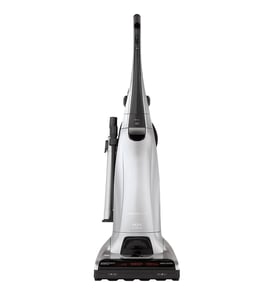
What are common Hoover vacuum problems?
Common problems on the Hoover UH70830 upright vacuum are low suction or no pickup, the brushroll not spinning, the vacuum not running, dust escaping, and the vacuum shutting off from overheating. Most of these start with a full dirt cup, dirty filters, or a clog, and are fixed with basic cleaning and a quick system check.
- Low suction or won’t pick up: dirt cup full, filters dirty, hose not installed correctly, or a blockage
- Vacuum won’t run: tripped breaker or blown fuse, power issue, or a safety condition triggered by restricted airflow
- Brushroll not spinning: belt broken, stretched, twisted, or brushroll jammed with hair and debris
- Hard to push: carpet height setting too low for the surface
- Dust escaping: dirt cup overfilled or filters not seated/maintained
- Smoky or burning smell: belt slipping on a jammed brushroll or airflow restriction causing heat
- Unplug the vacuum before servicing.
- Empty the dirt cup and re-seat it securely.
- Clean the rinsable filter and the filter made with HEPA media (maintenance steps are in the UH70830 owner’s manual).
- Check the hose path for clogs and confirm the hose is installed correctly.
- If the brushroll is not spinning, inspect the belt and brushroll area; rotate the brushroll by hand to make sure the belt is not twisted.
| Problem | Most likely cause | What to do next |
|---|---|---|
| Low suction | Full cup, dirty filters, clog | Empty cup; clean filters; clear hose/air path |
| Brushroll not spinning | Belt broken or stretched | Replace the brushroll belt; clear debris |
| Won’t run | Breaker/fuse tripped | Reset breaker/replace fuse; then recheck airflow |
| Hard to push | Height set too low | Raise carpet height setting |
Airflow and brushroll movement drive cleaning performance. When filters clog or the brushroll belt slips, suction drops, heat builds, and the vacuum can shut off to protect the motor.
For step-by-step repair help beyond the manual, use our vacuum repair-guides landing page.
Last updated: February 2026
What is the life expectancy of a Hoover vacuum?
A Hoover upright vacuum like model UH70830 typically lasts 5 to 8 years in normal household use. With consistent maintenance (filters, belts, and clogs), many corded uprights reach the upper end of that range before suction, brush roll performance, or motor wear starts limiting cleaning results.
Most households see these ranges with regular use:
| Vacuum type | Typical life expectancy | What usually limits life |
|---|---|---|
| Corded upright (like UH70830) | 6 to 8 years | Belt and brush roll wear, clogs, motor wear |
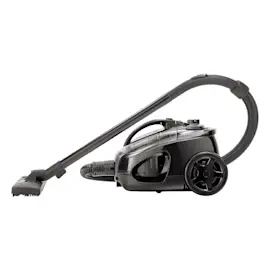
| Canister | 7 to 10 years | Hose leaks, motor wear, power nozzle issues |
| Cordless stick | About 4 to 6 years | Battery capacity loss |
We recommend these habits to keep airflow strong and reduce strain on the suction motor:
- Clean or replace filters on the schedule shown in the UH70830 owner's manual.
- Clear clogs in the hose, wand, and nozzle as soon as suction drops.
- Keep the brush roll free of hair and string so it spins freely.
- Replace the belt when the brush roll slows, stops, or the belt looks stretched.
- Empty the dirt cup or change the bag (depending on configuration) before it overfills.
These symptoms usually mean maintenance or a common repair is due:
- Noticeably weaker suction even after filter cleaning and clog checks
- Burning smell, loud grinding, or high-pitched squeal from the power head
- Brush roll not spinning consistently (often belt-related)
- Vacuum shuts off during use (often overheating from restricted airflow)
- Headlight works but cleaning performance is poor (airflow or brush roll issue)
A vacuum that is clogged, running with a worn belt, or struggling for airflow makes the motor run hotter and work harder. Staying ahead of filter care and belt and brush roll maintenance helps your UH70830 clean better and reach its full expected lifespan.
For step-by-step repair help on common wear items, use our vacuum repair-guides landing page.
Last updated: February 2026
What are the disadvantages of an upright vacuum?
Upright vacuums like the Hoover UH70830 clean carpets well, but the tradeoffs are weight, bulk, and less flexibility in tight spaces. On some uprights, the brushroll can keep spinning even with the handle upright, which can make tool use and hard-floor cleaning trickier (see the owner's manual).
- Heavier and bulkier than many canister or stick vacuums; harder to carry upstairs and store.
- Less reach and flexibility under furniture and in corners; the body has to follow the cleaning path.
- Hard-floor drawbacks if the brushroll cannot be shut off; it can scatter debris or risk scuffing delicate floors.
- Tool use can be awkward because the vacuum stays on the floor while you pull a hose and wand.
- Brushroll behavior can be limiting; on this style of vacuum, the brushroll may continue rotating while the unit is on, even in the upright position.
- Cord management on corded uprights can limit range and add hassle during room-to-room cleaning.
The UH70830 manual notes that the brushroll continues to rotate when the handle is upright. That matters because it can:
- Increase the chance of carpet or rug damage if the nozzle is tipped or left running in one spot
- Make above-floor tool cleaning feel less stable if the base is still “active”
- Require extra care around fringed rugs, stairs, and furniture
| Feature | Upright vacuum | Canister vacuum |
|---|---|---|
| Carpet cleaning | Strong | Strong to very strong (varies) |
| Stairs | Often harder to carry | Often easier to maneuver |
| Under-furniture reach | Limited | Better |
| Storage | Bulkier | Hose and wand can store compactly |
- Set the correct carpet height; if it is hard to push, move to a higher setting.
- For hard floors, use the model’s hard floor setting when available.
- Empty the dirt cup before the max line and keep filters clean to maintain suction.
- Use extra care on stairs; keep the vacuum positioned safely and avoid leaving it standing on stairs.
For more troubleshooting and maintenance topics, use our vacuum repair-guides landing page.
Last updated: February 2026
What is the number one rated upright vacuum cleaner?
There is no single, permanent “number one” upright vacuum cleaner; rankings change by year and by test method. For a Hoover UH70830, the best choice is the one that matches your floors (carpet vs. hard floor), pet hair needs, and maintenance habits, then is set up correctly using the UH70830 owner's manual.
Different reviewers score different things, so the top pick depends on the weighting.
- Carpet deep-cleaning: brushroll design, airflow, and height adjustment
- Hard floor cleaning: ability to avoid scattering and to switch to hard floor mode
- Pet hair pickup: agitation plus tool performance
- Filtration: HEPA or high-efficiency filtration and sealed airflow
- Reliability and upkeep: belt wear, brushroll cleaning, filter cleaning frequency
Use this quick checklist to match a “top-rated” model to your needs.
| Your home situation | Prioritize | Why it matters |
|---|---|---|
| Mostly carpet | Strong brushroll + height adjustment | Improves agitation and reduces push effort |
| Mixed floors | Easy floor-mode switching | Prevents scatter and protects hard floors |
| Pets | Pet tools + strong suction | Better hair pickup on upholstery and stairs |
| Allergies | HEPA filtration + good seals | Reduces fine dust recirculation |
Even a highly rated vacuum performs poorly if airflow is restricted or the height setting is wrong.
- Set the carpet height correctly; use Hard Floor for bare floors and raise the setting if it is hard to push.
- Empty the dirt cup before it reaches the max line.
- If the vacuum shuts off, let it cool about 30 minutes after clearing clogs; the thermal protector can trip when airflow is blocked.
- Check common restriction points: nozzle inlet, hose, dirt cup inlet, cyclonic filter, rinsable filter, and HEPA filter.
“#1 rated” is only useful if the vacuum is used and maintained correctly. Proper height adjustment, clean filters, and clear airflow paths are what keep suction and brushroll performance at their best.
Related help: vacuum symptoms landing page
Last updated: February 2026