Owner’s manual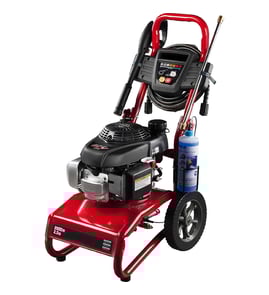



What PSI should my pressure washer be?
For the Craftsman 580752310 gas pressure washer, the rated working pressure is 2,450 PSI. That PSI level is a solid fit for most homeowner cleaning jobs like patios, siding, decks, and driveway spot cleaning when you use the correct spray tip and keep a steady water supply (at least 20 PSI at the garden hose).
What “PSI” means in real use
PSI is the water pressure at the pump; actual cleaning force at the surface changes based on spray tip, distance, and flow.
- A narrower tip increases impact and can damage wood or paint if you get too close
- A wider tip is safer for siding, vehicles, and softer materials
- Holding the wand farther away reduces effective pressure quickly
- Low-pressure mode is used for applying detergent, not heavy rinsing
Quick PSI guidance by task (typical)
| Task | Typical PSI range | Tip and technique notes |
|---|---|---|
| Car washing | 1,200 to 1,900 | Use a wider spray and keep distance |
| Decks and fences | 1,500 to 2,500 | Test a small area first |
| Patios and walkways | 2,000 to 2,800 | Keep the spray moving |
| Heavy concrete stains | 2,800+ | Often needs a higher-PSI unit or specialty accessories |
If your 580752310 feels weak (common checks)
Before assuming the pump is failing, we recommend these quick checks:
- Confirm the water source can supply more than 3.0 GPM and at least 20 PSI at the hose end
- Purge air from the pump by squeezing the trigger until the stream is steady
- Inspect the inlet screen and any in-line filter for debris
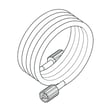
- Check for leaks, kinks, or bulges in the high-pressure line; replace the hose 84006753 if it is damaged
- Verify the nozzle is not clogged or worn; a worn tip can drop pressure
Why it matters
Using the right PSI and spray tip protects surfaces, improves cleaning speed, and reduces wear on the pump and wand. Running with restricted water flow or air in the system can also cause poor performance and shorten pump life.
For operating and setup details (including water supply requirements and startup steps), follow the 580752310 owner's manual.
Last updated: February 2026
Can you put 87 gas in a pressure washer?
Yes. For the Craftsman 580752310 gas pressure washer, regular unleaded gasoline with an 87 octane rating is the standard choice; it provides reliable starting and normal engine performance when the fuel is fresh and the tank is clean. Confirm any fuel notes in the 580752310 owner's manual.
What fuel to use (and what to avoid)
- Use fresh, regular unleaded gasoline (87 octane).
- Higher octane (89 to 93) is fine, but it typically does not improve cleaning power.
- Avoid stale fuel (older than about 30 days) because it can cause hard starting and surging.
- Avoid contaminated fuel (water or debris) because it can clog the carburetor.
- If your area sells E15 (15% ethanol), skip it unless your manual explicitly allows it; many small engines run best on E10 or less.
Quick checklist before you start
The manual’s pre-start checklist includes adding proper gasoline and checking hose connections. Use this routine:
- Check engine oil level before fueling.
- Fill the tank outdoors with the engine off and cool.
- Tighten the fuel cap and wipe up any spills.
- Verify water supply and hose connections; replace a damaged high-pressure hose with the correct hose 84006753.
- Start with the spray wand pointed in a safe direction; keep the nozzle 8 to 24 inches from the surface while cleaning.
Fuel choice guide
| Fuel option | Works in most pressure washers? | When to choose it |
|---|---|---|
| 87 octane regular unleaded | Yes | Everyday use, best overall value |
| 89 to 93 octane | Yes | If 87 is unavailable |
| E15 gasoline | No (commonly not recommended) | Only if your manual specifically permits it |
Why it matters
Using the right gasoline helps the engine start easily, run smoothly under load, and reduces fuel-system problems that can look like “low pressure” or “engine losing power” symptoms.
Last updated: February 2026
How much does it cost to get a pressure washer fixed?
For a Craftsman pressure washer model 580752310, most repairs land between $20 and $200 depending on what failed; small leaks and tune-up items are usually lowest, while pump or unloader-related problems cost more. A full pump replacement commonly runs $200 to $500.
Typical repair cost ranges
- $20 to $50: O-rings, seals, minor hose or fitting leaks
- $50 to $150: Spray gun or wand issues, clogged inlet screen, basic service labor
- $100 to $200: Unloader valve or pump valve service
- $200 to $500: Pump replacement (parts plus labor)
Quick checks that can save a service call
Before paying for a repair, we recommend these basics from the 580752310 owner's manual:
- Confirm the water supply is connected and turned on before starting (running dry can damage the pump).
- Check the water inlet screen for damage or blockage.
- Check the in-line filter for debris.
- Squeeze the spray gun trigger to relieve trapped pressure if the engine is hard to start.
- Verify the engine is operated at the Fast throttle setting during use.
Common parts that affect cost
If the issue is external (leaks, poor spray pattern, damaged connections), parts replacement can be straightforward:
| Symptom | Often involved | Example part for 580752310 |
|---|---|---|
| Leaking or cracked high-pressure line | High pressure hose | Hose 84006753 |
| Poor control at the gun, physical damage | Wand/gun components | Wand assembly 205015CGS |
| Low pressure or surging | Nozzle restriction or wear | Generac pressure washer spray nozzle jet 21760GS |
Why it matters
Pressure washer repair costs jump quickly when the pump is damaged. Using proper water supply, relieving pressure correctly, and following the maintenance schedule helps prevent the most expensive failures and keeps the warranty coverage conditions aligned with normal use.
Last updated: February 2026
What is the most common problem with pressure washers?
Low or no spray pressure is the most common pressure washer problem, and on the Craftsman 580752310 it is usually caused by a restricted nozzle, air trapped in the pump, or a water supply or hose issue (kinks, leaks, clogged inlet screen). Start with the simple flow checks first.
Quick checks that fix most low-pressure complaints
- Shut the engine off, turn off the water, then inspect the spray tip for debris and clean it.
- Purge air from the pump: connect water, then hold the trigger until you get a steady stream.
- Check the garden hose inlet screen; clean it if clogged and replace it if torn.
- Inspect the high-pressure hose for kinks, cuts, bulges, or leaks; replace it if damaged.
- Confirm water supply temperature is under 100°F and the supply is steady.
For model-specific operating and maintenance steps, follow the 580752310 owner's manual.
What the symptoms usually point to
| Symptom | Most likely cause | What to do first |
|---|---|---|
| Weak spray or no pressure | Clogged/restricted nozzle or inlet screen | Clean nozzle; clean inlet screen |
| Pulsing while spraying | Nozzle restriction causing excessive pump pressure | Clean nozzle and in-line filter |
| Pressure drops after a few seconds | Air in pump or water supply issue | Purge air; verify steady water supply |
| Leaks at connections | Loose fittings or worn seals | Tighten connections; inspect hose ends |
Parts that commonly get replaced when pressure is low
If your hose or spray assembly is worn or leaking, replacing the affected part restores pressure and prevents pump damage.
- Hose 84006753 (high-pressure hose)
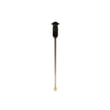
- Wand assembly 205015CGS (spray gun/nozzle extension assembly)
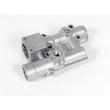
- Pressure washer outlet tube kit 201497GS (outlet plumbing from pump)
Why it matters
Running with restricted flow or a damaged high-pressure hose can overheat the pump and create unsafe spray behavior. Keeping the inlet screen, nozzle, and hose in good shape helps the 580752310 maintain consistent pressure and reduces wear.
Last updated: February 2026
Who makes the motor on a Craftsman pressure washer?
On the Craftsman pressure washer model 580752310, the engine is supplied as a complete ENGINE assembly in the parts list rather than broken out by an engine manufacturer name. For the most accurate identification, we use the engine model and type shown in the 580752310 owner's manual.
How to identify who made your engine (fast and accurate)
Use these checks on your actual unit; they work even when the parts list only shows “ENGINE.”
- Look for an engine data plate on the recoil starter housing, valve cover, or muffler side.
- Record the engine brand name printed on the shroud (common examples are Briggs & Stratton, Honda, or Subaru/Robin).
- Write down the engine model, type, and code (or serial) from the label.
- Compare that information to the engine section in the 580752310 owner's manual.
- If the label is missing, check for casting marks or a sticker near the spark plug wire.
What the parts list tells us for model 580752310
In the model 580752310 main unit parts list, the engine is listed as a non-serviceable assembly (shown as “ENGINE”), while many pump and spray components are serviceable separately.
| Component area | How it’s listed | What that means for “who makes it” |
|---|---|---|
| Engine (motor) | ENGINE assembly | Identify by engine label (brand, model, type) |
| Pump parts | Individual parts and kits | Pump components can be matched by part number |
Why it matters
Knowing the engine manufacturer helps you get the right tune-up parts and specs (spark plug, air filter, oil type, governor settings) and speeds up troubleshooting for no-start or power-loss symptoms.
If you are chasing a performance issue, these guides help narrow it down quickly: pressure washer engine losing power, pressure washer won't start.
Last updated: February 2026
What kind of oil to put in a Craftsman pressure washer?
For the Craftsman pressure washer model 580752310, you’ll use engine oil in the engine crankcase and pump oil in the pressure washer pump. Add the correct oil before starting; running the engine without oil can cause immediate engine failure. See the 580752310 owner's manual for the exact fill and service steps.
Which oil goes where
- Engine crankcase: Use the engine oil type and amount specified for your engine in the manual.
- Pump: Use premeasured pump oil; the manual specifies pump oil item number 190586GS.
- Do not mix them: Engine oil and pump oil are serviced separately.
- Check before each use: Oil level should be checked prior to each use (or at least every 8 hours of operation).
Pump oil for model 580752310 (what the manual specifies)
The manual calls for a premeasured bottle of pump oil and outlines a 50-hour or annual change interval.
| Location | What to use | Service interval |
|---|---|---|
| Pump | Premeasured pump oil (item 190586GS) | Every 50 hours or once yearly |
| Engine | Engine oil (per manual) | Check before each use; change per manual schedule |
If you need the correct pump oil, match it to the model-listed part: pressure washer pump oil 190586GS.
How to change the pump oil (quick overview)
We follow the manual’s process for this model:
- Drain engine oil and fuel first.
- Remove the black pump oil cap (between the high-pressure outlet and garden hose inlet).
- Tilt the unit to drain the pump oil into an approved container.
- Refill using the premeasured pump oil bottle.
- Reinstall and tighten the pump oil cap firmly.
Why it matters
Correct oil protects the pump seals and bearings and prevents engine damage. On this Craftsman unit, the manual specifically warns that starting the engine before it’s serviced with the recommended oil can lead to engine failure.
Last updated: February 2026
How to replace an O ring on a pressure washer?
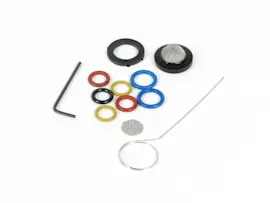
On the Craftsman 580752310 pressure washer, you replace an O-ring by removing the nozzle extension from the spray gun, taking out the old O-ring (and screen), cleaning the parts, then seating the new O-ring snugly in its recess before reassembling and purging air from the pump. See the 580752310 owner's manual for the exact filter and O-ring placement.
Steps to replace the O-ring (nozzle extension in-line filter)
- Shut off the engine and water supply; squeeze the trigger to relieve pressure.
- Detach the nozzle extension (wand) from the spray gun.
- Remove the in-line filter screen and the O-ring from the threaded end of the nozzle extension.
- Flush the screen, spray gun, and nozzle extension with clean water to remove debris.
- Reinstall the screen into the threaded end of the nozzle extension; push it in until it rests flat.
- Place the new O-ring into the recess and push it snugly against the screen.
- Reassemble the nozzle extension to the spray gun.
- Turn water on and squeeze the trigger until you get a steady stream (this purges air and impurities).
Quick checks that prevent repeat leaks
- Inspect the water inlet screen before connecting the garden hose; clean it if dirty.
- Replace any damaged inlet screen; do not run the washer with a damaged screen.
- Hand-tighten hose connections; overtightening can distort seals.
- Keep O-rings lightly lubricated with silicone grease (never petroleum-based).
- If the fitting is nicked or cracked, replace the damaged fitting, not just the O-ring.
Common symptoms and what they usually mean
| Symptom | Most common cause | What to do |
|---|---|---|
| Drip at quick-connect or wand joint | Cut/flattened O-ring | Replace O-ring; inspect mating surface |
| Pulsing pressure | Air leak at inlet or clogged screen | Purge air; clean/replace screen |
| Leak at hose connection | Worn seal or loose coupling | Reseat seal; hand-tighten; replace hose if damaged |
Why it matters
A properly seated O-ring keeps the pump from drawing air and helps maintain steady pressure. It also reduces the chance of pump damage caused by running with restricted flow or debris in the inlet screen.
Last updated: February 2026
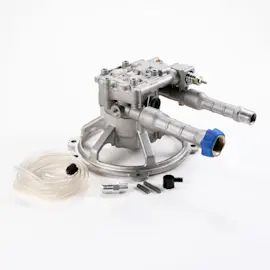
Is it worth replacing the pump on a pressure washer?
Yes, replacing the pump on your Craftsman pressure washer model 580752310 is worth it when the engine runs strong and the rest of the unit is in good shape; it restores pressure and flow for far less than replacing the entire washer in many cases.
Quick decision checklist
- The engine starts easily, runs smoothly, and does not surge under load
- You have normal water supply to the pump (cold water, good flow)
- The pump is leaking, has low pressure, or pulses even with a clean inlet screen
- The repair cost is comfortably less than a comparable new gas pressure washer
- You want to keep your existing hose, wand, and spray setup
Before you replace the pump, rule out common “pump” problems
Many low-pressure complaints come from setup or maintenance issues. We recommend these checks from the 580752310 owner's manual:
- Inspect and clean the pump inlet screen; replace it if torn
- Flush the garden hose for about 30 seconds before connecting
- Purge air: turn water on, then squeeze the trigger to clear air and impurities
- Inspect the high-pressure hose for cuts, bulges, kinks, or leaking couplers; replace the hose if damaged (do not repair it)
Repair vs replace: practical comparison
| Situation | Usually worth replacing the pump? | Why |
|---|---|---|
| Engine runs well, pressure is weak/pulsing | Yes | Pump wear or valve issues are likely; a new pump restores performance |
| Pump has visible cracks or freeze damage | Yes | Internal damage is permanent; replacement is the reliable fix |
| Hose is leaking or kinked | No (replace hose first) | A bad hose can mimic pump failure |
| Unit has multiple issues (engine + pump + accessories) | No | Total repair cost and downtime add up quickly |
Parts and guides that commonly help
- If your high-pressure line is worn or leaking, replace the hose 84006753 rather than trying to patch it
- If your spray pattern is inconsistent, a worn tip can contribute; check the generac pressure washer spray nozzle jet 21760GS
- For step-by-step pump-related diagnosis and repair planning, use solving pressure washer problems
Why it matters
A healthy pump protects the engine and makes cleaning faster. Running with restricted water supply, air in the system, or a damaged hose can overheat components and shorten pump life.
Last updated: February 2026
Is it worth repairing a pressure washer?
Yes; repairing a Craftsman pressure washer model 580752310 is worth it when the problem is a normal wear item (hose, nozzle, wand leaks, routine maintenance) and the engine and pump are still healthy. If the pump ran without water or the engine has major damage, replacement is the better value.
Quick decision checklist
- Starts easily and runs smoothly: repair is usually worthwhile.
- Low pressure but engine sounds normal: check nozzle, inlet screen, and unloader-related issues.
- Hose is cut, bulging, leaking, kinked, or couplings are loose: replace the hose immediately.
- Pump was operated with no water supply: expect internal damage and higher repair cost.
- Repeated breakdowns each season: replacement is typically the smarter long-term choice.
What we recommend checking first
Follow the safety and maintenance steps in the 580752310 owner's manual and start with these low-cost checks:
- Clean the garden hose inlet screen.
- Verify the spray tip is not clogged and the wand connection is tight.
- Inspect the high-pressure hose for abrasions, leaks, or bulging.
- Confirm the spray gun trigger returns properly and the trigger lock works.
Repair vs. replace guide
| Situation | Best choice | Why |
|---|---|---|
| Hose/nozzle/wand issue, unit otherwise runs well | Repair | Fast, predictable fix |
| Maintenance overdue (oil, air filter, spark plug) | Repair | Restores performance and reliability |
| Pump damage from running dry or severe wear | Replace (often) | Cost climbs quickly |
| Major engine problems (won’t run, knocks, heavy smoke) | Replace (often) | Repair cost and downtime add up |
Parts that commonly make repair worthwhile
- Hose 84006753 (replace, never patch a high-pressure hose)
- Wand assembly 205015CGS (if the wand/extension is damaged or leaking)
- Pressure washer pump oil 190586GS (for routine pump maintenance)
Why it matters
High-pressure components must be safe to use. The manual specifically warns to never repair a high-pressure hose; replacing a damaged hose prevents injury and protects the pump from running under unsafe conditions.
Last updated: February 2026
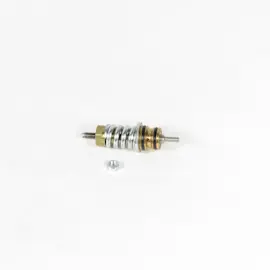
How to tell if a pressure washer unloader valve is bad?
A bad unloader valve on a Craftsman pressure washer model 580752310 shows up as pressure that surges or drops, plus the engine loading down or stalling when you release the spray-gun trigger. Before replacing parts, rule out nozzle clogs, air in the pump, and water-supply issues.
Quick symptoms checklist
- Pressure pulses, surges, or takes time to recover
- Engine bogs, stalls, or sounds strained when you let off the trigger
- Hammering or harsh vibration in the hose or gun
- Water leaking around the pump or bypass area
- Unit runs hot quickly when idling with the trigger released
Fast checks that mimic an unloader problem
Do these first because they are common and easy to verify:
- Purge air from the pump: With water ON, hold the trigger until flow is steady (startup procedure in the 580752310 owner's manual).
- Nozzle or in-line screen restriction: A clogged nozzle can cause pulsing and excessive pump pressure; clean the nozzle and check the in-line filter screen.
- Water supply: Use an outdoor source supplying more than 3.0 GPM and at least 20 PSI at the pressure washer end of the garden hose.
- Hose condition: Check for kinks, cuts, bulges, or leaking couplings; replace a damaged hose.
Trigger test (what to observe)
- Spray for 10 to 15 seconds.
- Release the trigger and listen for the engine to unload smoothly.
- Pull the trigger again.
If the engine repeatedly bogs or stalls on trigger release, or pressure returns slowly, the unloader valve is the primary suspect.
| What you notice | More likely cause | Next step |
|---|---|---|
| Pulsing only while spraying | Clogged nozzle or in-line screen | Clean nozzle and screen |
| Bogging mainly on trigger release | Unloader valve sticking | Inspect or replace unloader valve |
| Low pressure all the time | Water supply, nozzle wear, pump issue | Verify supply, inspect nozzle and pump |
Why it matters
The unloader valve diverts water when you release the trigger. When it sticks, pressure and heat build in the pump, which causes surging, stalling, and faster pump wear.
For replacement steps, use how to replace a pressure washer unloader valve.
Last updated: February 2026