Owner’s manual
 Error Codes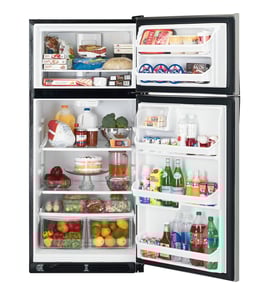


How to tell cubic feet of Kenmore refrigerator by model number?
For Kenmore model 10670239903, the model number alone usually does not reliably tell the exact cubic-foot capacity. The most accurate way is to look up the capacity in the model’s specs in the owner's manual, or calculate it from the interior compartment measurements.
Fast ways to find cubic feet (capacity)
- Check the specs: Capacity is typically listed in the specifications section of the owner's manual.
- Look for a tech/spec sheet: Many refrigerators have a folded sheet in a kickplate area, control housing, or rear service area that lists capacity.
- Measure and calculate: Use interior measurements and convert cubic inches to cubic feet.
- Use the full model number: When searching parts and specs, always use the complete model number 10670239903 (not just “106”).
How to calculate cubic feet from measurements
- Empty the compartment enough to measure.
- Measure the usable interior of each section (refrigerator and freezer) in inches:
- Height
- Width
- Depth
- Multiply to get cubic inches, then divide by 1,728.
Conversion table
| What you have | Formula | Result |
|---|---|---|
| Cubic inches | (H × W × D) | cubic inches |
| Cubic feet | (H × W × D) ÷ 1,728 | cubic feet |
Tips so your measurement matches “rated” capacity
- Measure inside wall to inside wall, not shelf-to-shelf.
- Don’t subtract for bins and shelves unless you only care about “usable space.”
- If the freezer has a sloped back wall or built-in icemaker housing, measure the main rectangular space and then estimate the remaining area separately.
Why it matters
Cubic feet helps you compare storage capacity across top-mount refrigerators, choose correctly sized replacement shelves and bins, and set expectations for airflow and temperature stability when the refrigerator is fully loaded.
Last updated: February 2026
What is the top part of a refrigerator called?
On a Kenmore 10670239903 top-mount refrigerator, the top section is the freezer compartment (often just called the freezer). It’s the coldest area of the appliance and is designed to keep foods frozen and support ice production if your model has an ice maker.
What the freezer does (and what’s usually inside)
Most top-mount freezers are built to handle these jobs:
- Keep food at freezing temperatures for long-term storage
- Circulate cold air down to the fresh-food section
- Provide space for ice trays or an automatic ice maker
- Help maintain overall temperature stability when the doors are opened
For model-specific compartment features and control locations, use the owner's manual.
Common “top part” terms you might hear
People use different names for the same area. Here’s a quick guide:
| What someone says | What they usually mean | Where it is |
|---|---|---|
| “Top part” | Freezer compartment | Upper cabinet |
| “Freezer section” | Freezer compartment | Upper cabinet |
| “Ice maker area” | Freezer area where the ice maker mounts | Inside freezer |
If you mean the ice-making equipment (not the compartment)
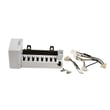
If your question is really about the ice maker hardware in the top section, this model can use an ice maker assembly such as the refrigerator ice maker 4317943.
Quick checks if the freezer is not freezing well
- Set the freezer control colder and wait 24 hours
- Make sure vents are not blocked by packages
- Confirm the door closes tightly and the gasket seals
- Listen for the evaporator fan running (it helps move cold air)
Why it matters
Knowing the correct name helps you match the right diagrams and parts for your Kenmore 10670239903, especially when troubleshooting cooling, airflow, or ice maker issues.
Last updated: February 2026
What is the average lifespan of a Kenmore 10670239903 refrigerator?
A Kenmore 10670239903 top-mount refrigerator typically lasts 10 to 15 years. With steady maintenance (cleaning coils, keeping door gaskets sealing, and fixing small cooling issues early), many units reach the upper end of that range.
Typical lifespan and what changes it
Most refrigerators in this class land in the 10 to 15 year window. The biggest factors that shorten or extend life are:
- Dirty condenser coils causing longer run times and higher compressor stress
- Worn or leaking door gaskets letting warm air and moisture in
- Poor airflow (overpacked shelves, blocked vents)
- Ice maker and water system leaks that create corrosion or ice buildup
- Fan or control problems that make temperatures swing
Quick maintenance checklist (best payoff)
We recommend these habits to help your Kenmore 10670239903 run longer and more efficiently:
- Vacuum condenser coils and the rear/bottom area every 6 to 12 months
- Confirm the doors close on their own and the gasket seals all the way around
- Keep freezer and fresh food vents clear of food packages
- Set stable temps (typical targets: 0°F freezer, 37°F fresh food)
- Address unusual noises quickly (often a fan or airflow issue)
Parts that commonly affect longevity
When cooling performance drops, these parts are frequent culprits on many top-mount designs:
| Symptom | Common cause | Example part for this model |
|---|---|---|
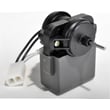
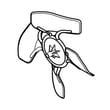
| Warm fridge, freezer OK | Weak airflow from freezer | Refrigerator evaporator fan motor WP2315539 |
| No ice or slow ice | Ice maker failure | Refrigerator ice maker 4317943 |
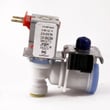
| Water not filling ice maker | Valve not opening consistently | Refrigerator water inlet valve WP2315576 |
Why it matters
Once a refrigerator is past about 10 years, small efficiency losses (dirty coils, minor air leaks, weak fan airflow) can add up to higher run time and more wear on the sealed system. Keeping temps stable and airflow strong is the simplest way to protect the compressor.
For model-specific care and settings, follow the owner's manual.
Last updated: February 2026
What brand of refrigerator has the least problems?
Brands with the fewest problems are typically the ones with simpler designs and widely available service parts; in everyday reliability, Whirlpool and GE are common “safe picks,” while Bosch tends to rate well in premium categories. For your Kenmore 10670239903 top-mount refrigerator, long-term dependability is driven more by features, maintenance, and correct repairs than the badge on the door; use the owner's manual to match care and settings to your exact model.
What matters more than brand
When we see repeat service issues, they usually trace back to complexity and maintenance, not the brand name.
- Fewer features usually means fewer failure points (especially dispenser systems)
- Stable temperatures reduce compressor and control stress
- Clean condenser area improves cooling efficiency
- Good door sealing prevents frost and run-time overload
- Correct part matching by model number prevents repeat failures
Practical “least problems” guidance (by shopper priority)
| If you want... | What to look for | Why it helps |
|---|---|---|
| Fewer repairs overall | Top-freezer/top-mount layouts | Simpler airflow and fewer electronics |
| Lower risk of leaks | No in-door water/ice | Fewer water lines and valves |
| Easier DIY service | Common platforms and parts | Faster, cheaper repairs |
| Best high-end build | Premium sealed-system designs | Better materials, tighter tolerances |
Why it matters for Kenmore 10670239903 owners
Kenmore models are often built on major-manufacturer platforms, so reliability comes down to keeping core systems healthy: airflow, defrost, and door sealing. If you are troubleshooting warm temps or noise, the evaporator fan is a common checkpoint; the refrigerator evaporator fan motor WP2315539 is one of the key parts that keeps cold air moving.
Quick maintenance checklist to reduce problems
- Keep freezer vents clear of packages
- Set fresh food around 37°F and freezer around 0°F
- Clean dust from the condenser area periodically
- Check door gaskets for gaps and moisture trails
- Replace failed airflow parts promptly to prevent icing and warm spots
Last updated: February 2026