

What is the most common problem with Whirlpool washers?
The most common Whirlpool washer problems are draining or spinning issues (clothes stay wet), water leaks, and excessive shaking or noise. On your Whirlpool 2DWTW4705EW2, these symptoms often trace back to the drain system, lid locking, suspension, or shifting components.
Most common symptoms and what they usually mean
- Won’t drain or won’t spin: drain pump issue, kinked drain hose, or a lid lock that is not engaging
- Leaking water: loose hose connections, a worn drain hose, or a failing pump
- Loud banging or walking: unbalanced load or worn suspension/dampers
- Won’t start or stops mid-cycle: lid lock problem or shifting/actuator issue
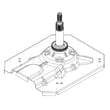
- Agitates poorly: drive block or gear case wear
Quick checks we recommend first (no parts needed)
- Redistribute the load and run a Spin/Drain cycle again.
- Confirm the washer is level on the floor; re-level the feet if needed.
- Check the drain hose routing for kinks, clogs, or an overly tight standpipe.
- Listen during drain: a loud hum with little water flow points to a pump or blockage.
- Watch the lid lock: if the lid never locks, the washer may refuse to spin.
Parts that commonly fix these problems on model 2DWTW4705EW2
| Symptom | Common part to check | What it affects |
|---|---|---|
| Won’t spin / won’t start | Lar, 120v pi W11307244 | Lid locking and spin enable |
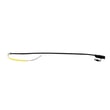
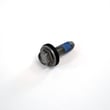
| Shakes, bangs, off-balance | Damper assembly W10780045 | Tub suspension and vibration control |
| Won’t drain | Water pump WPW10297342 | Draining water from the tub |
| Won’t shift between agitate and spin | Actuator, shift W11481722 | Shifting the drive system |
Why it matters
Drain, spin, and vibration problems can quickly turn into bigger wear issues (gear case, basket, tub components) if the washer keeps running out of balance or with poor draining. Catching the root cause early helps protect the drive system and reduces repeat breakdowns.
Last updated: February 2026
How do I reset the lid lock on my Whirlpool washer?
To reset the lid lock on your Whirlpool washer model 2DWTW4705EW2, we recommend starting with a power reset and a simple lid check. If the washer still shows a lid lock problem, the lid lock assembly or lid strike is often the cause and may need replacement.
Quick reset steps (most common)
- Unplug the washer (or turn off the breaker) for 5 minutes.
- Restore power.
- Lift and close the lid firmly, then try Start again.
- If the lid was recently slammed or forced open, inspect the strike and lock for cracks or looseness.
If the lid still will not lock or unlock
These checks help you decide whether you are dealing with a control reset issue or a failed lock/strike.
- Make sure the lid is closing squarely; a tilted cabinet can prevent the lock from aligning.
- Listen for a click when the washer tries to lock; no click often points to a failed lock or broken strike.
- Check for a loose or broken lid strike; replace it if worn.
- If the washer will not start and the lid lock light stays on, the lock assembly can be sticking internally.
Parts that commonly fix lid lock problems
| Symptom | Most likely part | Model-matched part to consider |
|---|---|---|
| Lid will not lock, no click | Lid lock assembly | Lar, 120v pi W11307244 |
| Lid closes but does not “catch” | Lid strike | Strike pima W10837741 |
Why it matters
The lid lock is a safety switch; if it does not confirm the lid is closed and locked, the washer can stop, refuse to spin, or get stuck mid-cycle. Fixing the lock alignment or replacing a worn lock/strike restores normal cycle operation.
Helpful DIY reference
If your washer is showing an error code along with the lid lock issue, use our Whirlpool compact top load washer error codes guide to narrow down the failure and the most likely repair.
Last updated: February 2026
Can too much detergent cause an E3 error?
Yes. In a Whirlpool washer like model 2DWTW4705EW2, using too much detergent can create excess suds that interfere with water-level sensing and draining; the washer may pause, try to protect against overflow, and trigger an E3-type drain/overfill error.
What to do right now
- Press Pause/Cancel to stop the cycle.
- Let suds settle for 30 to 60 minutes with the lid closed.
- Run a Rinse/Spin (or Drain/Spin) with no detergent.
- If suds remain, run an additional rinse using cold water.
- Reduce detergent next load (HE detergent only; measure carefully).
Why too much detergent triggers E3 symptoms
Too many suds can trap air and slow water flow, which makes the washer behave like it is overfilled or not draining correctly.
Common results include:
- Longer drain times
- Repeated attempts to drain
- Poor spin performance (clothes stay wet)
- Error codes related to water level or draining
If the error keeps coming back (even with correct detergent)
Excess suds is common, but repeated E3-type errors usually point to a real drain or lock issue.
| What you notice | Most likely cause | What to check next |
|---|---|---|
| Won’t drain or drains very slowly | Drain restriction or weak pump | Kinked hose, standpipe height, pump noise |
| Stops and won’t spin | Lid not locking consistently | Lid strike alignment, lock engagement |
| Loud banging, off-balance, won’t complete spin | Suspension not controlling tub movement | Leveling, load size, suspension wear |
Parts that commonly relate to E3-type drain/spin problems on this model
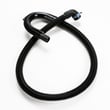
- Hose asm - d W11244231 (drain hose; check for kinks, clogs, or poor routing)
- Water pump WPW10297342 (if the pump hums but won’t move water, or leaks)
- Lar, 120v pi W11307244 and strike pima W10837741 (lid lock and strike; spin can stop if the lid won’t lock)
- Damper assembly W10780045 (if the tub swings excessively and the washer aborts spin)
Why it matters
Using the right detergent amount prevents false water-level and drain faults, improves rinsing, and helps protect components like the pump, lid lock, and gearcase from extra strain.
Last updated: February 2026